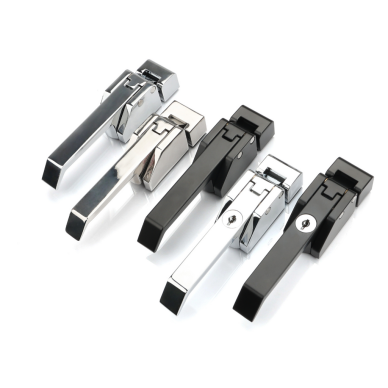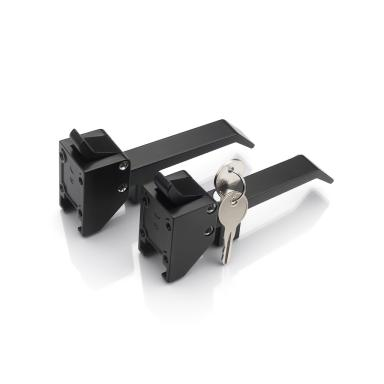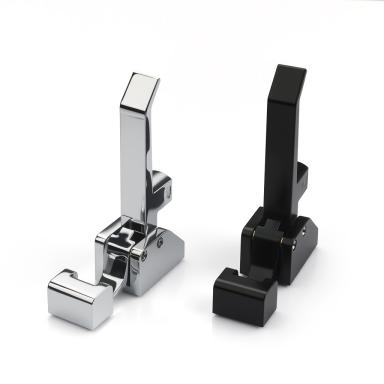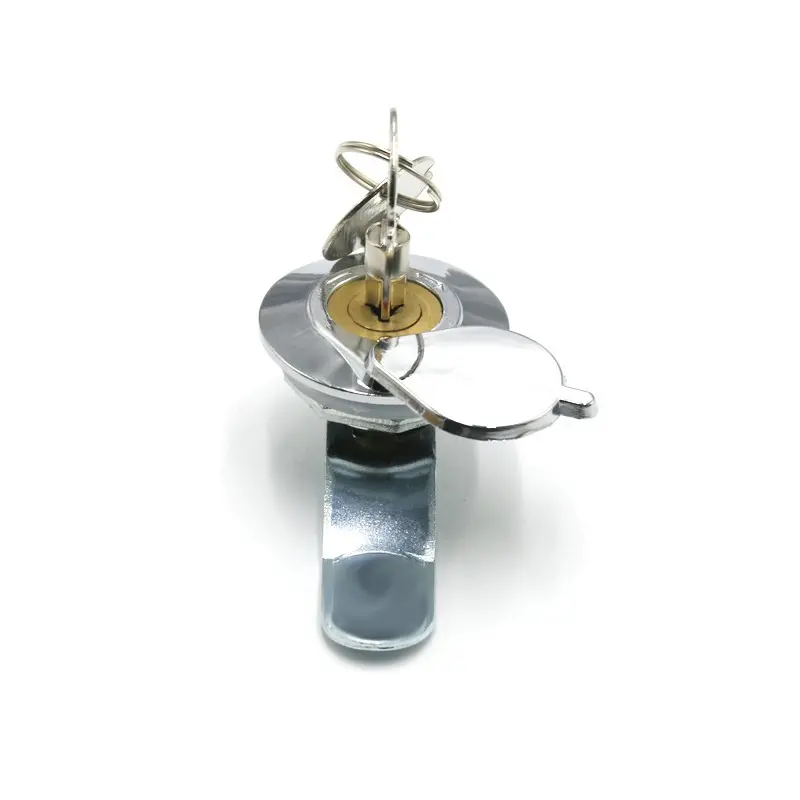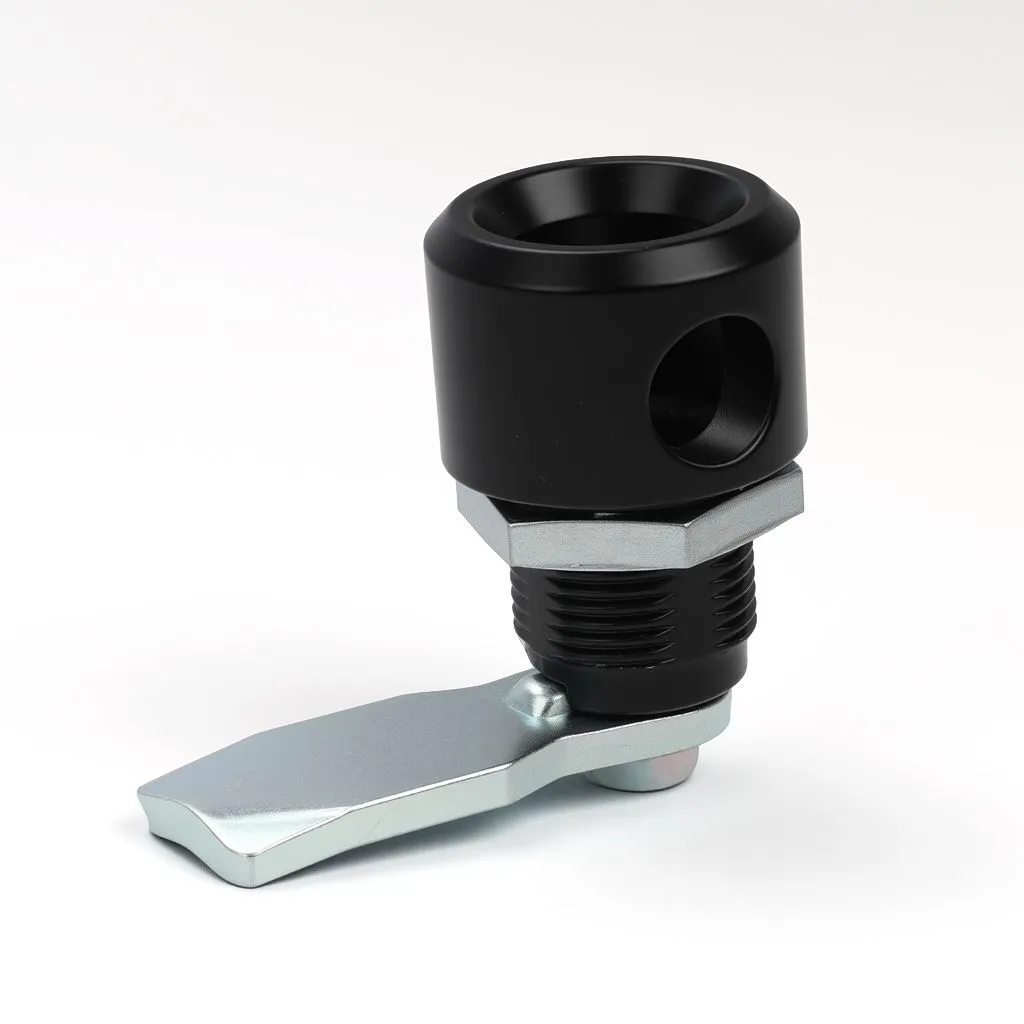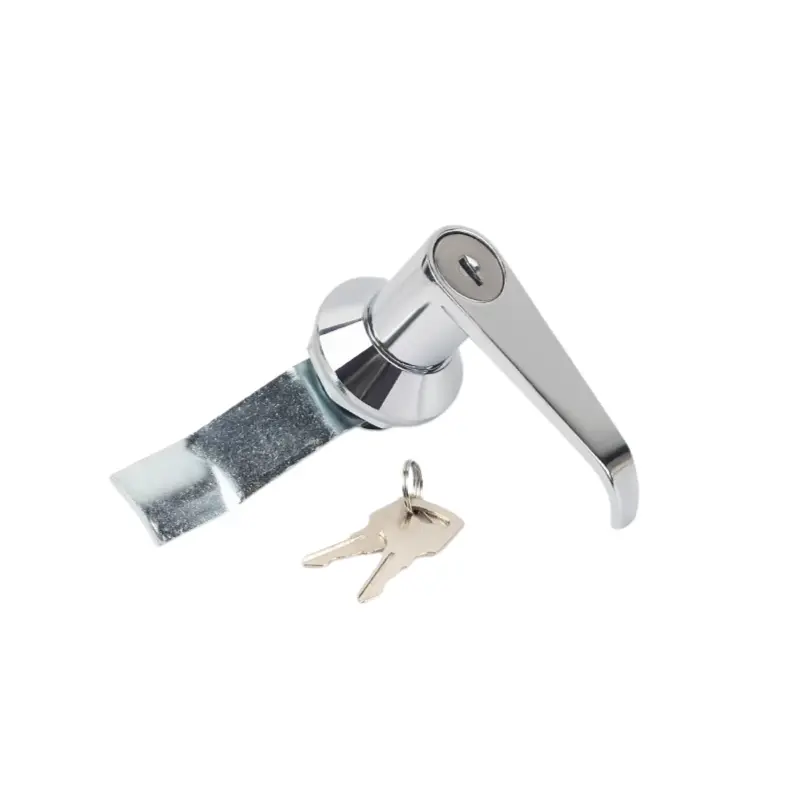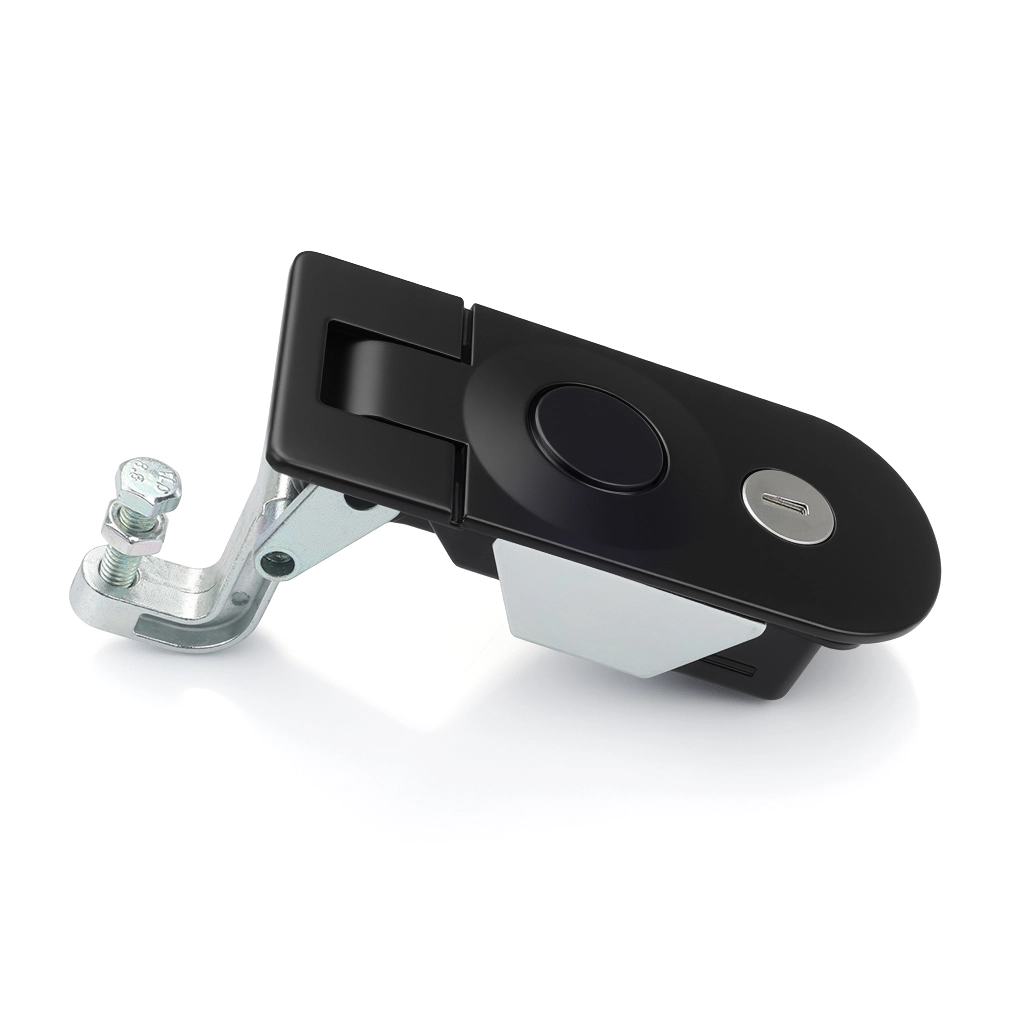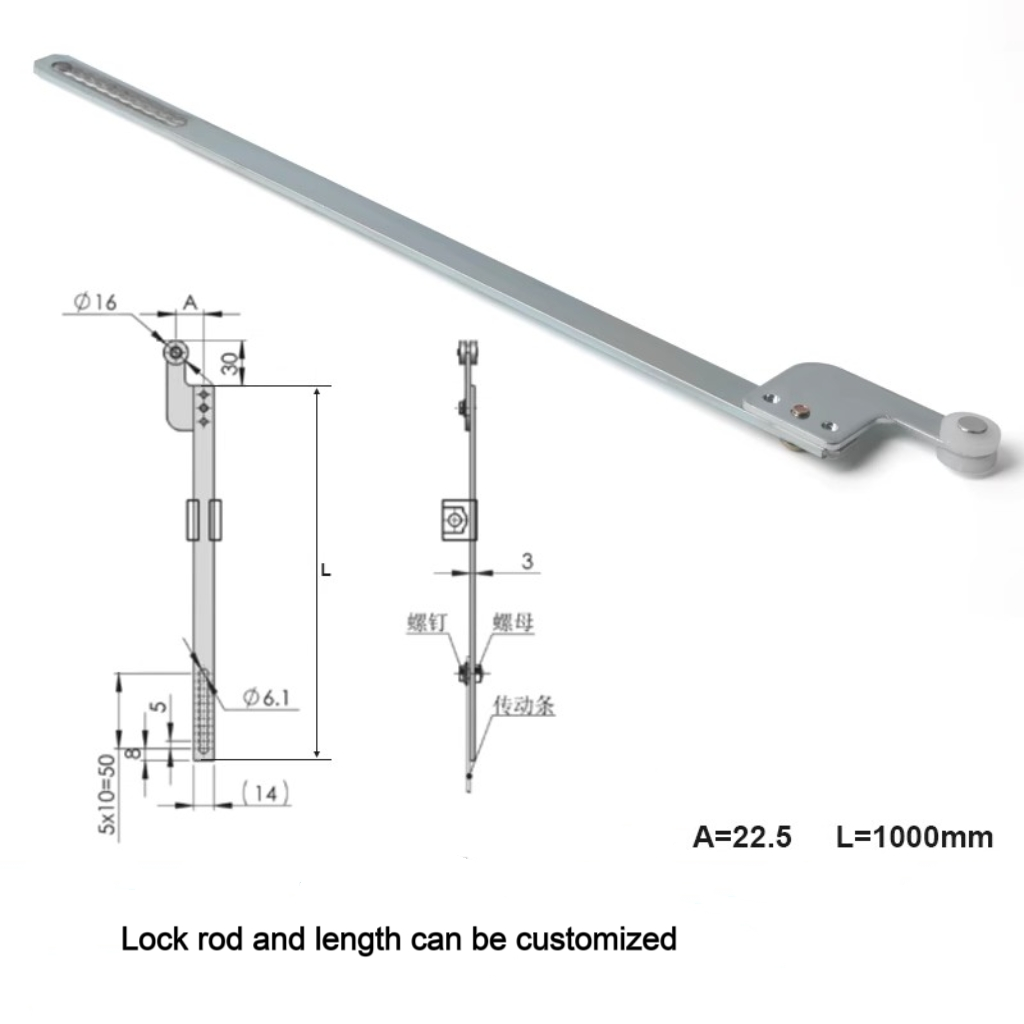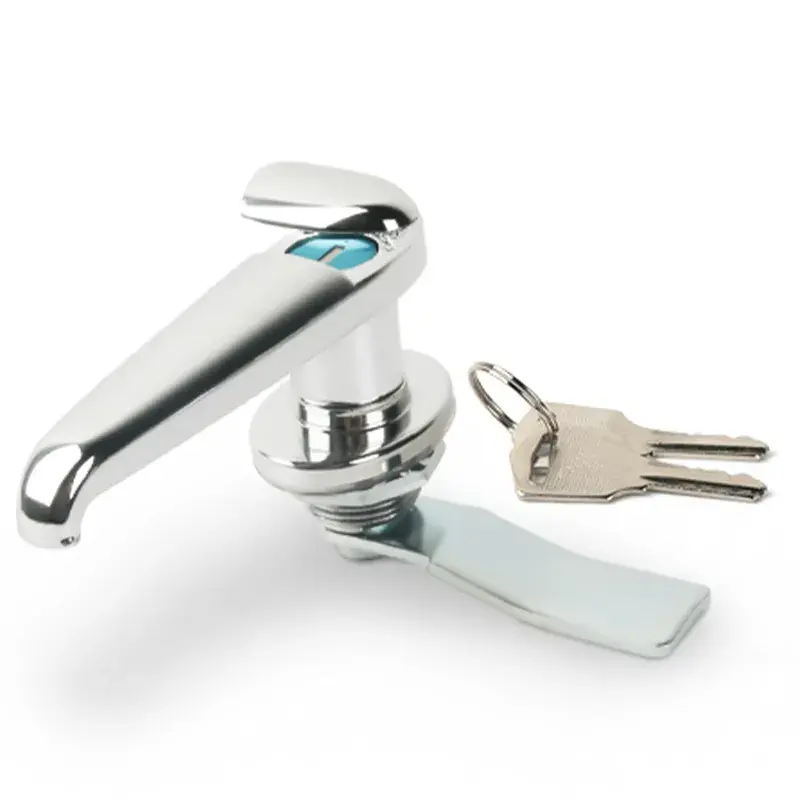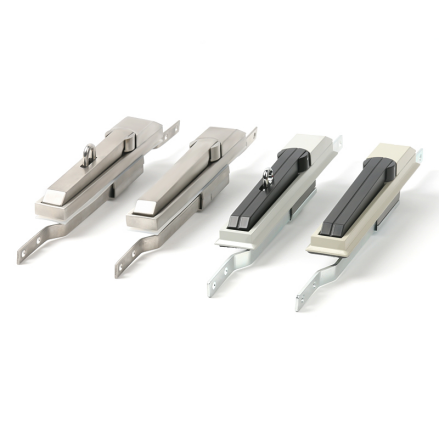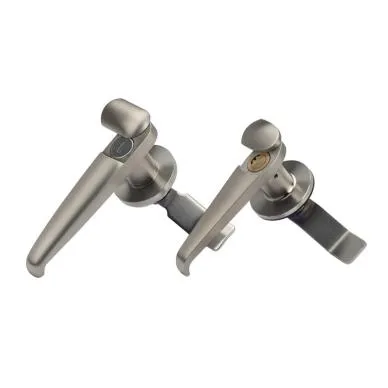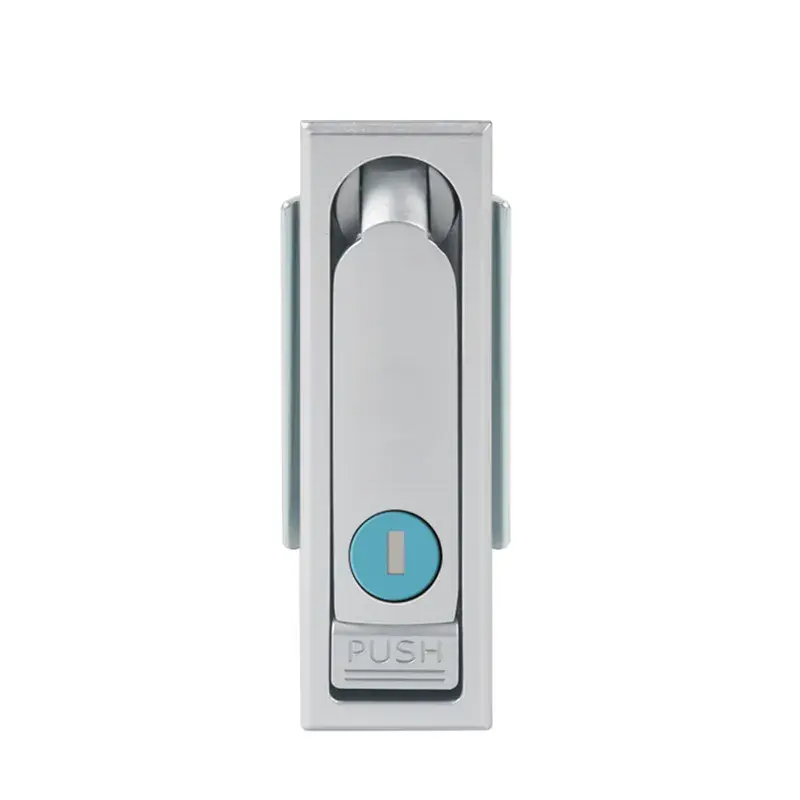
Sealing a freezer door or an industrial enclosure is not as straightforward as it might seem. Yitailock works with clients across cold storage, food processing, and heavy manufacturing — and one question that comes up regularly is how to choose the right Compression Latch Lock. Get it wrong and you end up with a door that doesn't seal properly, hardware that corrodes within a season, or a latch that stiffens up in cold conditions. Here's what to actually look at before making a decision.


The two main material options are stainless steel and zinc alloy, and the choice is mostly driven by where the lock will be used.
Stainless steel is the go-to for cold rooms, outdoor enclosures, or anywhere that deals with regular moisture and cleaning chemicals. Zinc alloy is a solid option for indoor cabinets and enclosures in dry conditions because it does the job well and costs less.
The size of the cut-out should be as close as possible to the dimensions of the latch.
The compression stroke is how far the latch pulls the door inwards when engaged. Thicker gaskets need more stroke. It's worth checking against your actual door gasket before ordering.
Door thickness range — most latches are rated for a specific thickness range. If your panel falls outside that, the mechanism may not engage correctly.
Keyed or non-keyed — For outdoor or restricted-access installations, a keyed compression latch lock makes sense. For internal panels accessed by your own team, a handle-only version is usually simpler and faster to operate day to day.
Nothing too complicated here, but a couple of things are easy to overlook. Don't overtighten the mounting nuts — the latch body needs a small amount of movement to align properly with the door frame. Also, if you're replacing an old latch, check the gasket condition at the same time. Fitting a new latch lock onto a worn gasket won't restore the seal.
For freezer applications, a light lubricant on the mechanism every few months goes a long way. Cold temperatures tend to stiffen metal components, and keeping things moving smoothly saves wear on both the latch and the door over time.
A Compression Latch Lock for freezer and industrial doors is a fairly specific piece of hardware, and matching it properly to the application doesn't take long once you know what to check. Material, stroke, thickness range, and access requirements cover most of what you need. Getting those right from the start means the door seals consistently and the hardware lasts without needing frequent attention.