News

Asymmetric Offset Hinge — What It Is and Where It Makes a Difference

2026-08-28 0 Leave me a message

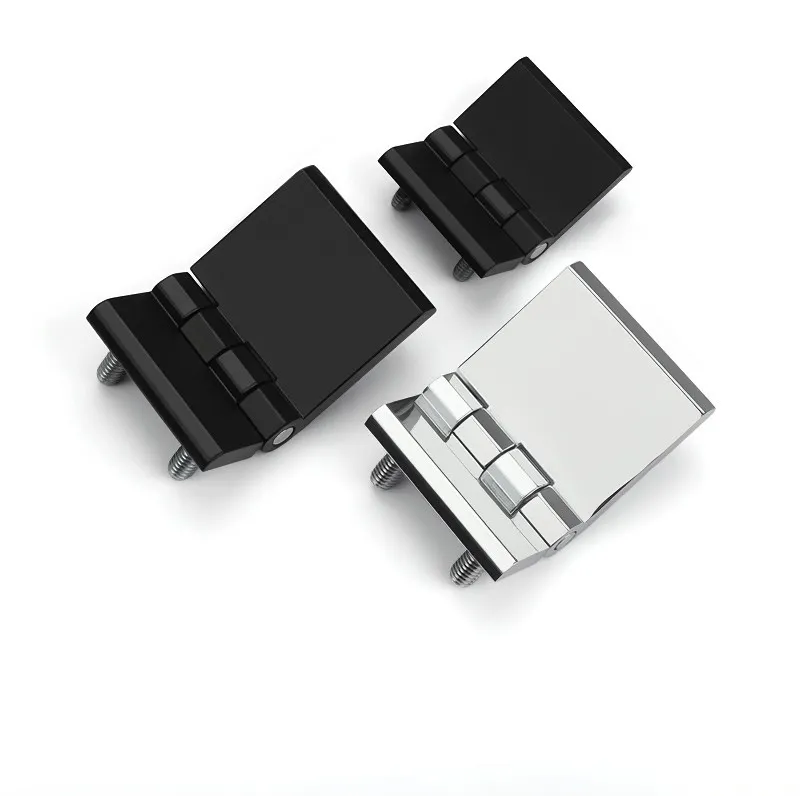
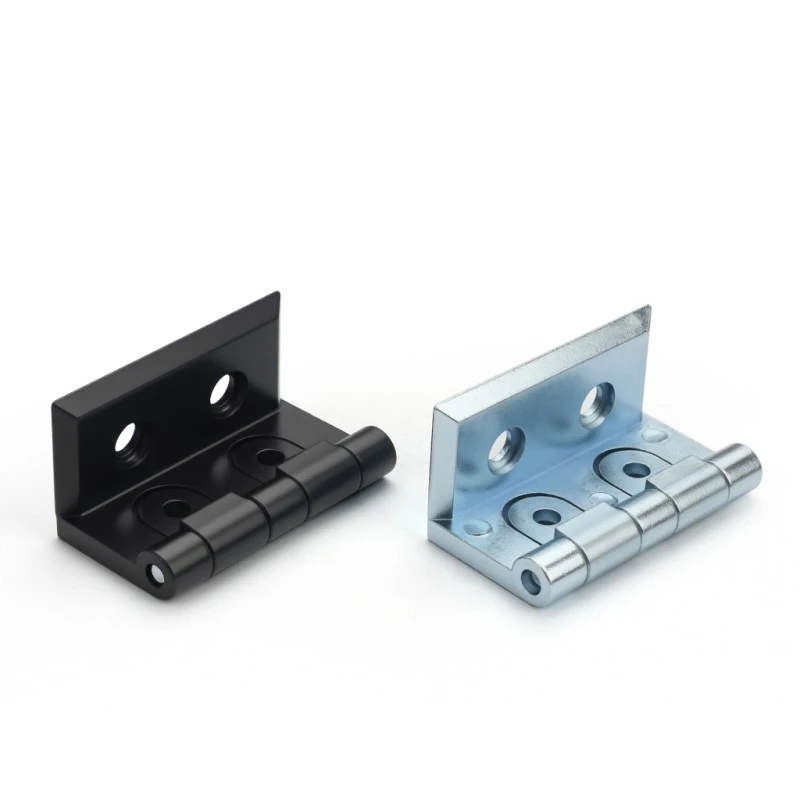
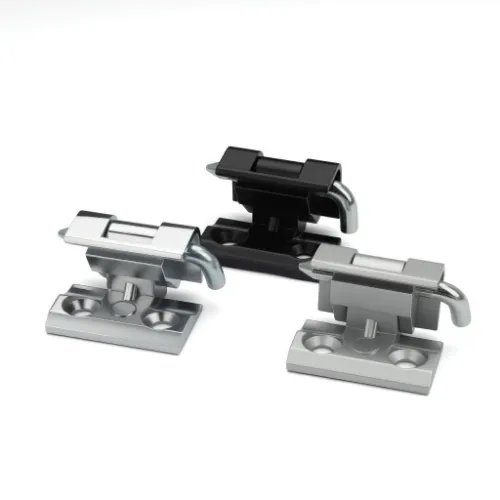
Most hinges are symmetrical — the two leaves are the same size and the pivot sits at the centre of the gap between door and frame. An asymmetric offset hinge breaks that pattern deliberately, and understanding why reveals a lot about the specific problems it's designed to solve. Yitailock supplies asymmetric offset hinges for electrical cabinets and industrial enclosures where standard hinge geometry simply doesn't work.

asymmetric offset hinge

What Makes It Different?

In a standard hinge, the pivot point sits right at the door edge. This means the door swings in an arc that carries the edge back into the cabinet opening as it opens — which limits how wide the door can swing before the edge catches on the frame or internal components.

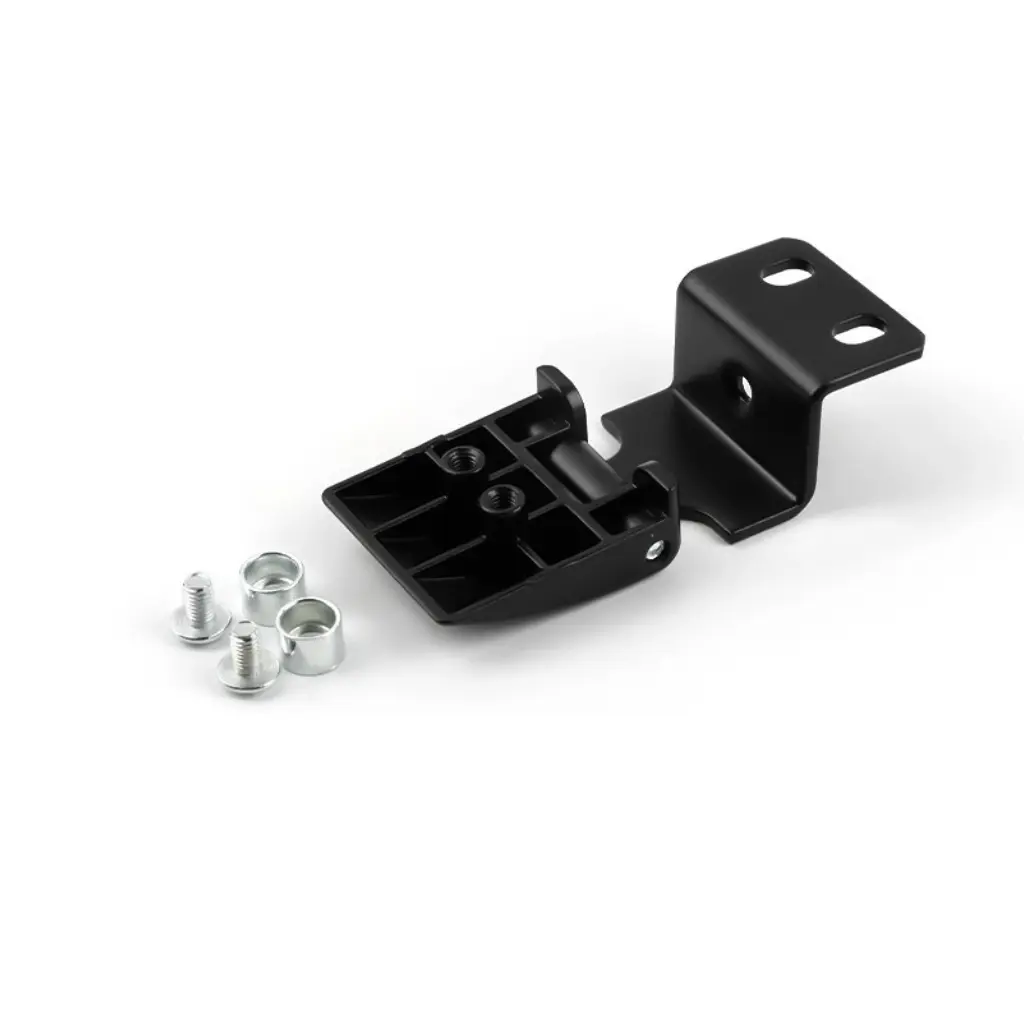
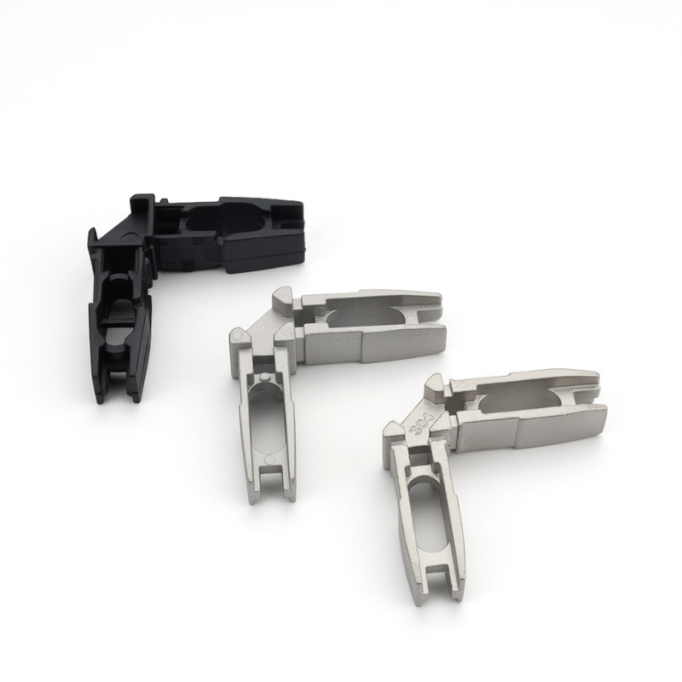
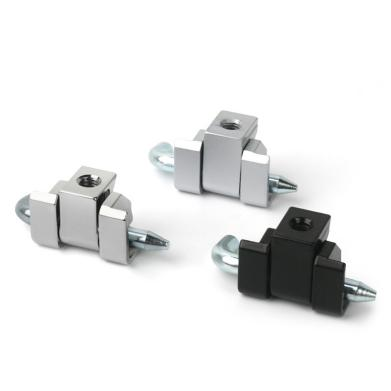
An asymmetric offset hinge moves the pivot point away from the door edge by building an offset into one or both leaves. The result is that the door swings in a wider arc, clearing the frame more cleanly and allowing a greater opening angle without the edge fouling on anything. For cabinets with thick frames, internal components close to the door edge, or installation spaces where the door needs to open past 90 degrees without obstruction, this geometry solves a problem that a standard hinge can't.

Where It's Used?

The asymmetric offset hinge shows up most often on:

· Enclosures with thick or reinforced door frames — where a standard hinge pivot would cause the door edge to foul on the frame at wider opening angles

· Distribution cabinets with internal components close to the door — where the door needs to clear internal wiring or components cleanly when fully open

· Cabinets requiring wide opening angles — particularly where maintenance access requires the door to swing past 90 degrees without obstruction

· Custom enclosure builds — where the door and frame geometry doesn't suit standard hinge proportions and an offset leaf is needed to make the geometry work 

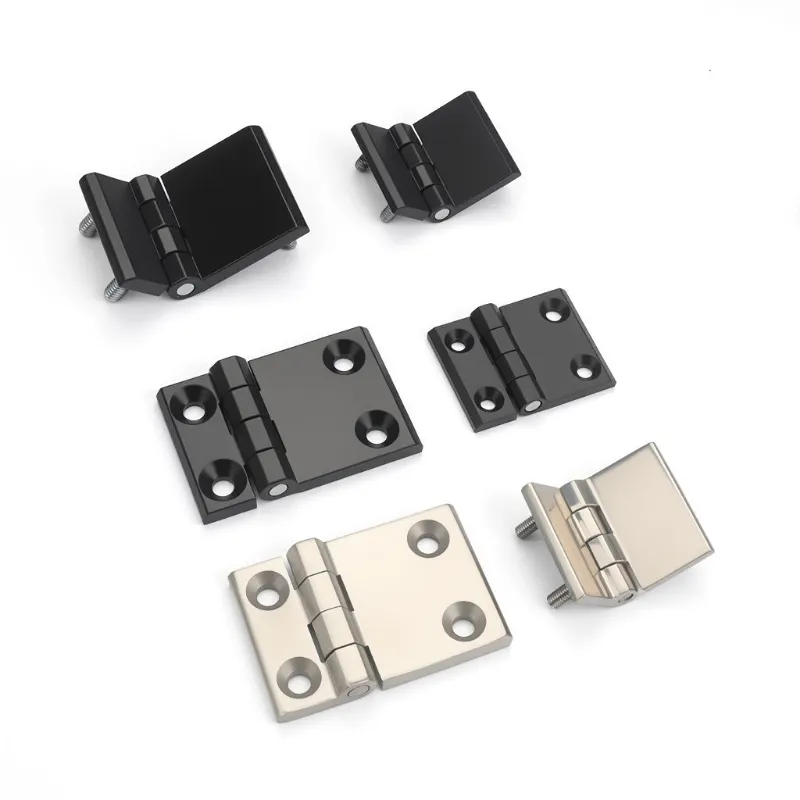
asymmetric offset hinge

Material and Specification

Stainless steel and zinc alloy are the standard material options, with the same logic applying as for most cabinet hinges — stainless steel for outdoor or high-humidity environments, zinc alloy for standard indoor enclosures. The offset dimension is the key specification to confirm: how far the pivot needs to be moved from the door edge depends on the frame thickness and the clearance required at full opening. Getting that measurement right before ordering saves adjustment work during installation.

When Standard Won't Do?

Most cabinet doors work fine with a standard hinge. The asymmetric offset hinge exists for the situations where they don't — where the geometry of the door, frame, or installation space creates a problem that only an offset pivot can solve cleanly. For those applications, it's the right tool for the job.

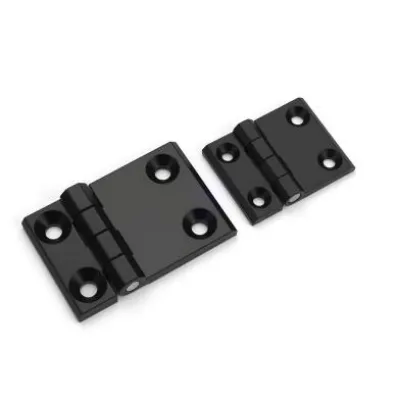
asymmetric offset hinge

Related News
Leave me a message
X
We use cookies to offer you a better browsing experience, analyze site traffic and personalize content. By using this site, you agree to our use of cookies.Privacy Policy
RejectAccept