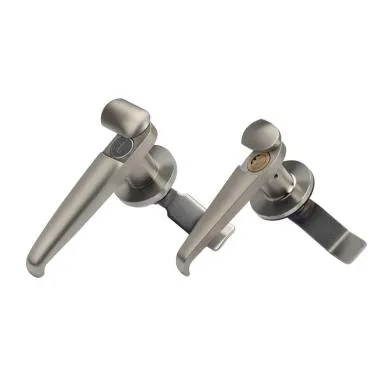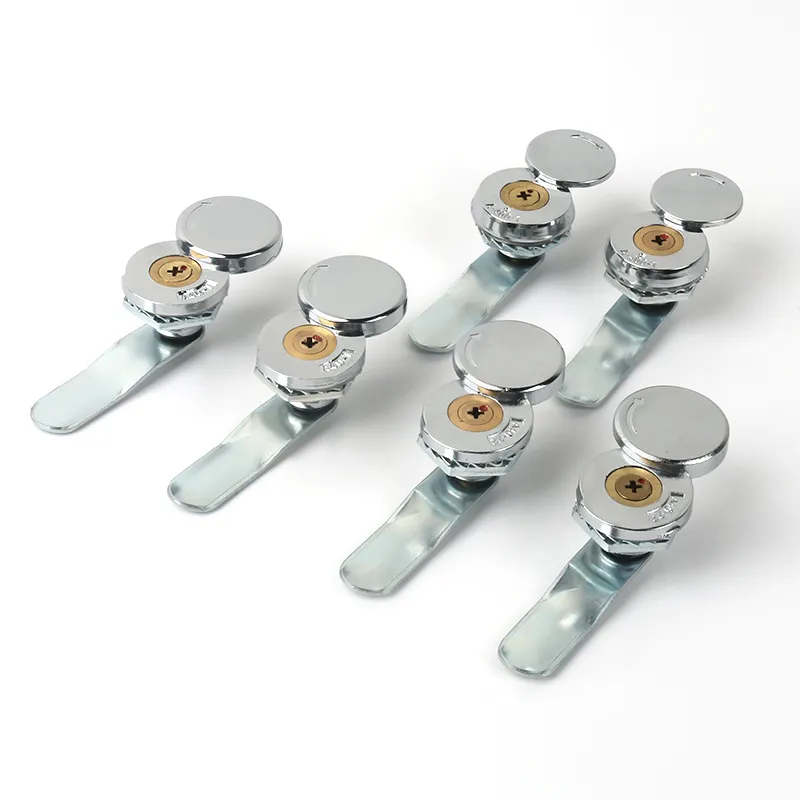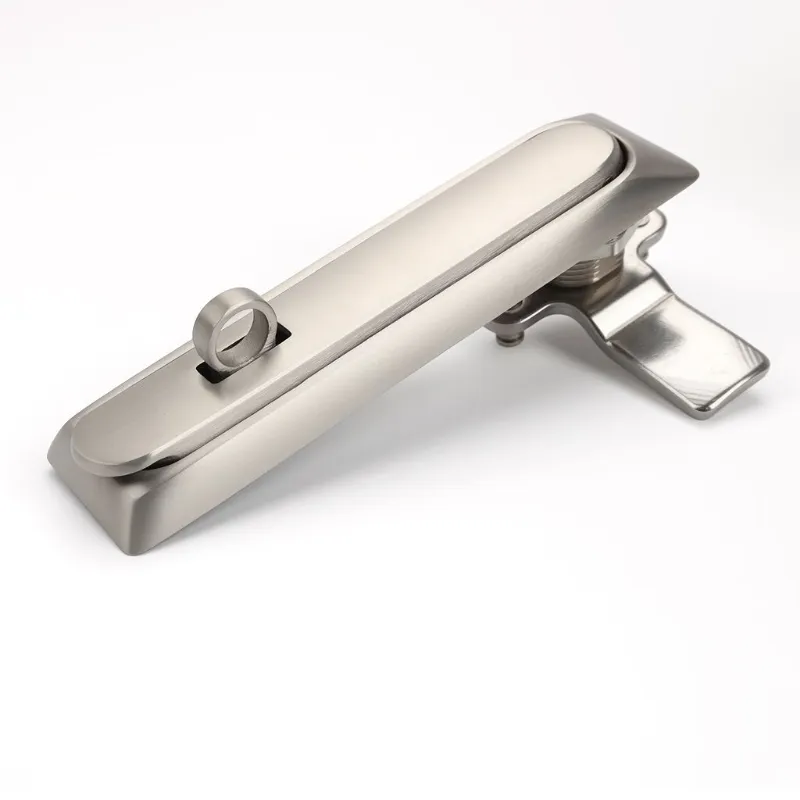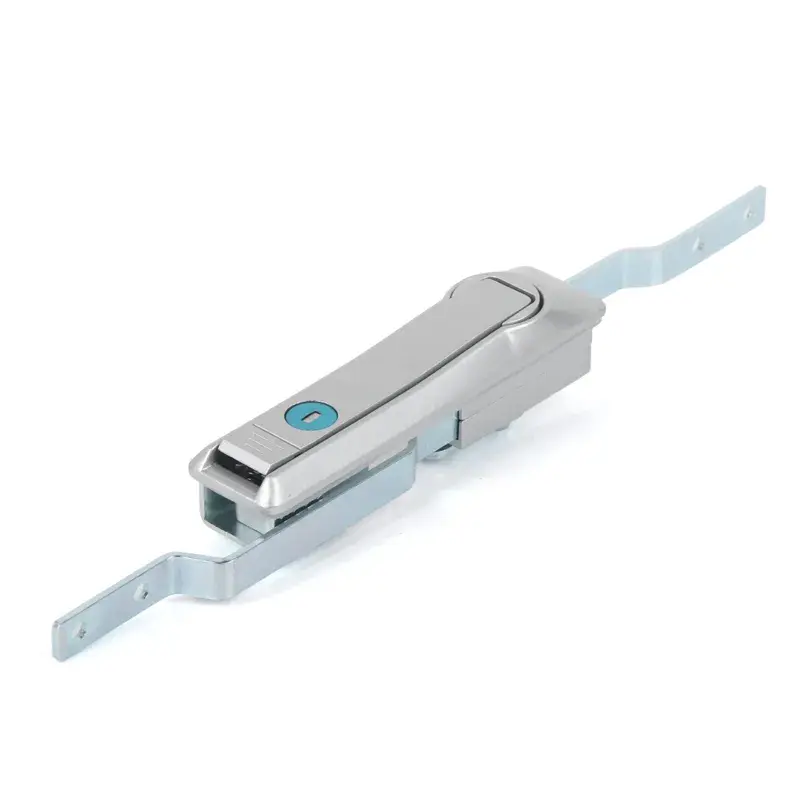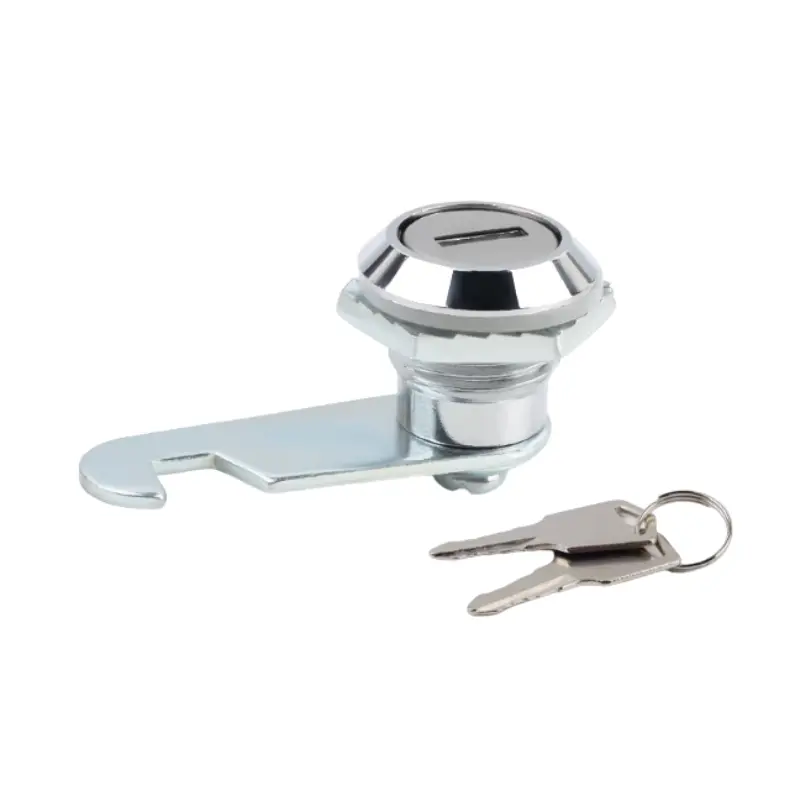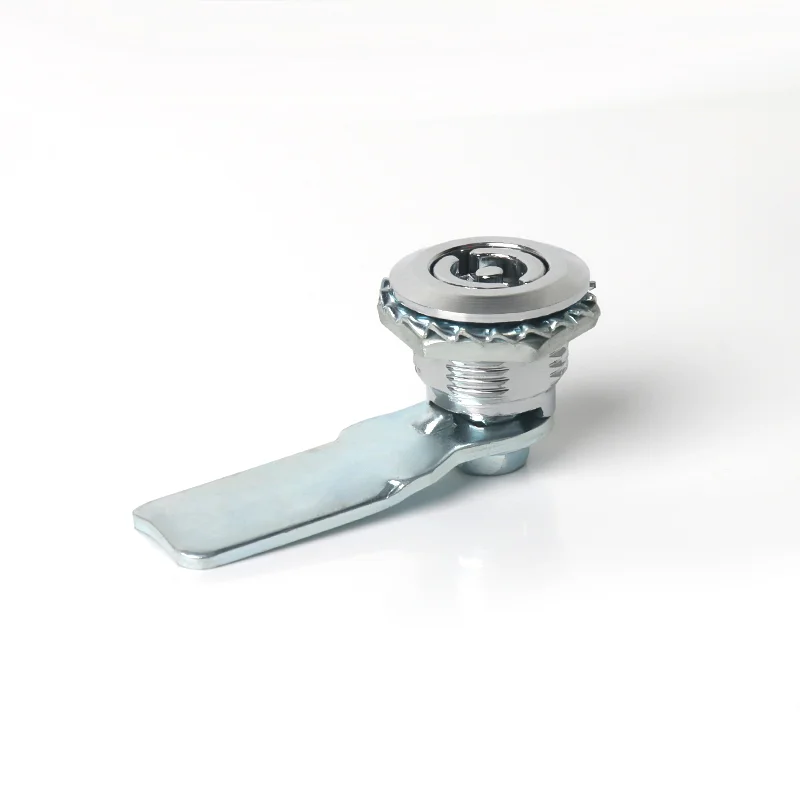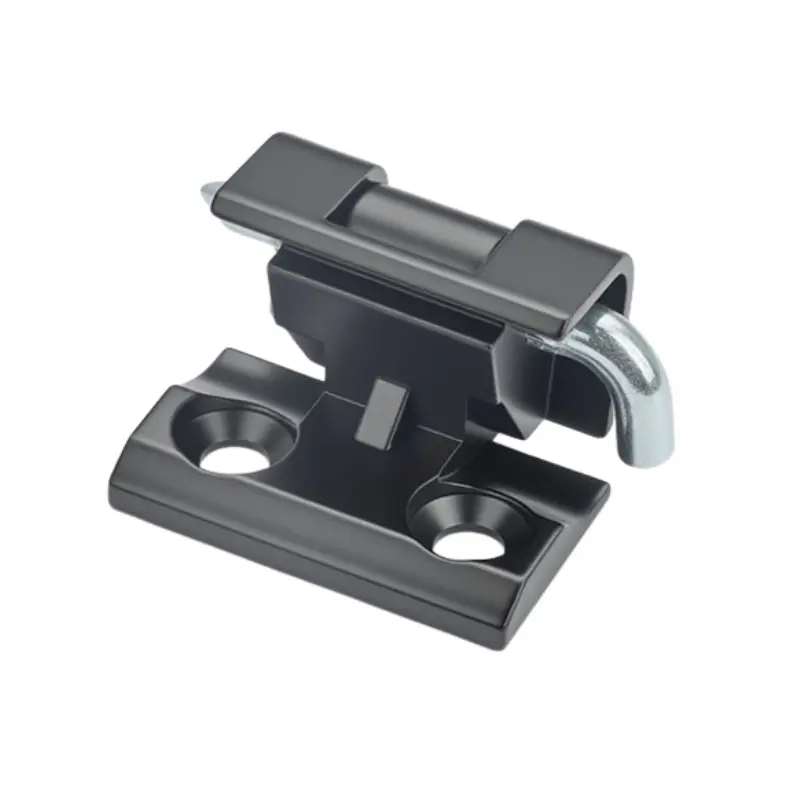
Locking an outdoor enclosure is a different proposition from locking an indoor cabinet. Rain, UV exposure, temperature swings, dust, and the occasional attempt at unauthorized access all put demands on the hardware that a standard indoor lock isn't designed to handle. Yitai Lock produces the weatherproof outdoor lock for exactly these conditions — here's what's worth knowing when specifying one.
A zinc alloy lock in a dry indoor cabinet can last for many years without issue. Put the same lock on an outdoor utility enclosure and the picture changes — moisture works into the mechanism, surface corrosion sets in, and eventually the lock either stiffens up or fails altogether. For outdoor installations, the material and sealing of the lock body need to be matched to the environment from the start rather than treated as an afterthought.
A good weatherproof outdoor lock should cover a few basics:
Material — 304 stainless steel is the standard recommendation for outdoor locks. It handles moisture, salt air, and UV exposure without surface degradation over time.Zinc alloy with a protective coating can get away with it in sheltered spots, but for anything fully exposed to the elements, stainless steel is just the more sensible call.
Sealing — The lock body should have some form of protection against water ingress around the cylinder. A rubber gasket or sealed face keeps moisture out of the mechanism and prevents the internal components from corroding even in wet conditions.
Key type — Triangle, double-bit, and square key cylinders are all common on outdoor enclosures. For sites where multiple enclosures need to be accessed by the same maintenance team, standardizing the key type across all weatherproof outdoor locks on site simplifies access management considerably.
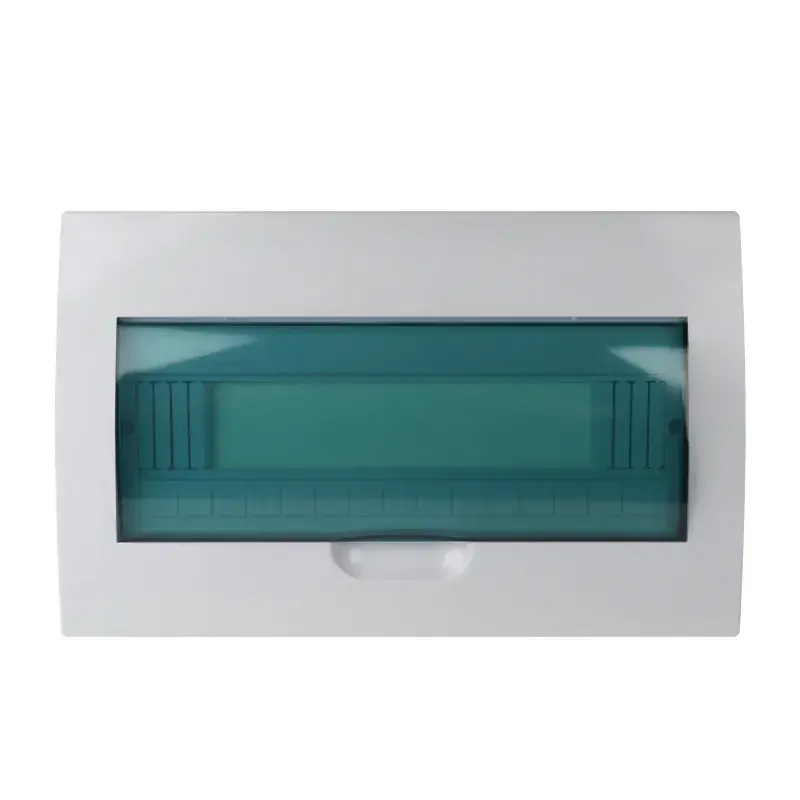
Outdoor utility enclosures, street-side distribution boxes, foundation boxes, telecom roadside cabinets, and metering stations are the most common settings for this type of lock. What they share is consistent outdoor exposure and a need for hardware that holds up without regular maintenance or replacement.
Beyond material and sealing, confirm the panel cutout dimensions and cam length before ordering — the same considerations that apply to any cabinet lock, but worth double-checking on outdoor installations where replacing a misspecified lock means working in the field rather than a controlled workshop environment. A well-specified weatherproof outdoor lock should go in once and stay reliable for years without needing attention.