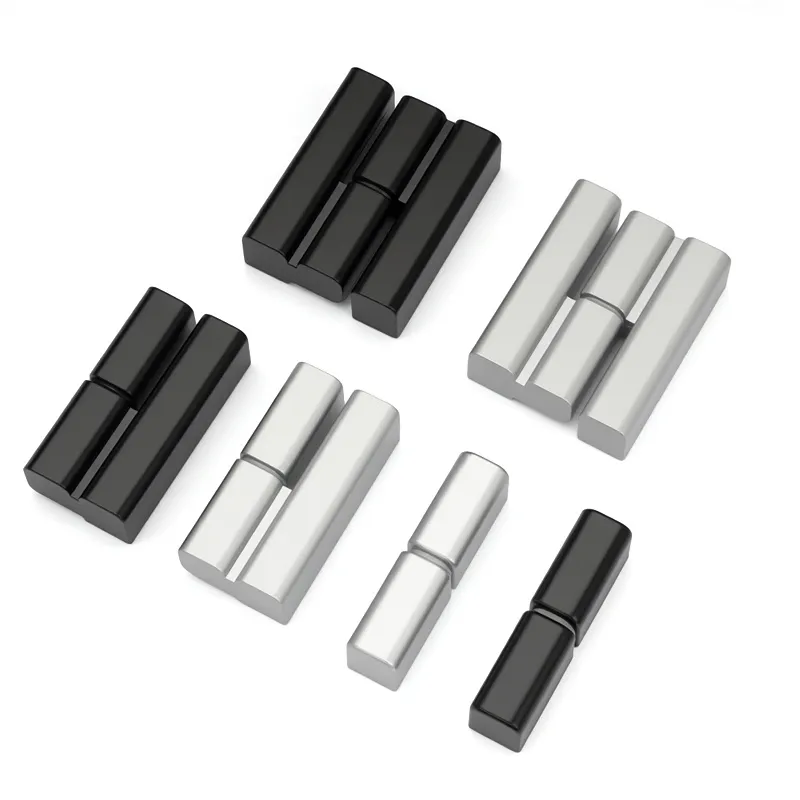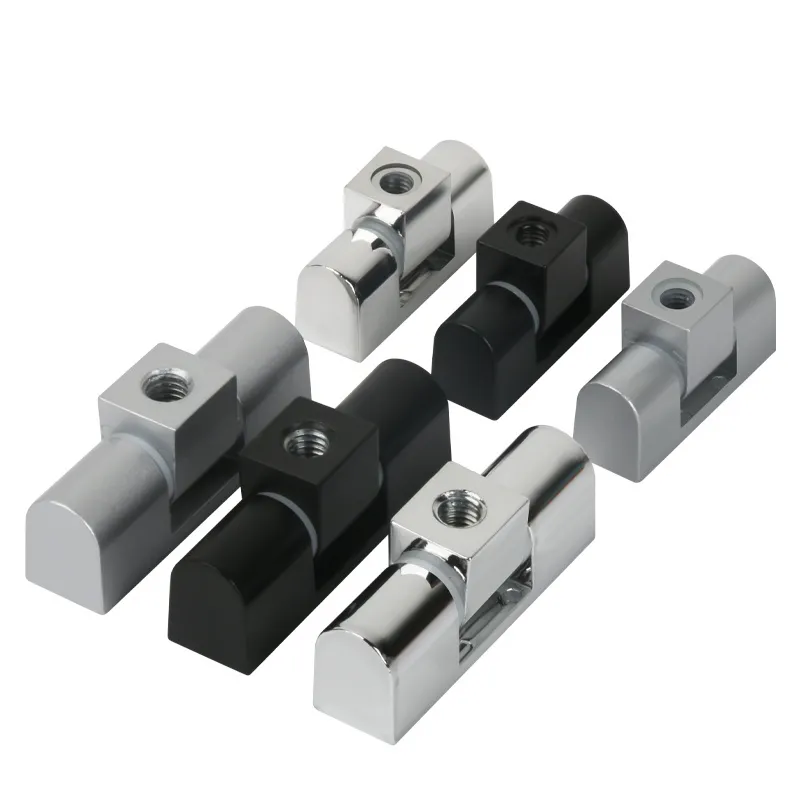
Most cabinet hinges do a straightforward job — support the door, let it swing, and stay out of the way. But switchgear enclosures have specific demands that a standard hinge doesn't always meet. Yitai Lock produces the Coaxial Switchgear Hinge for exactly this kind of application, and understanding what sets it apart is useful before specifying one.
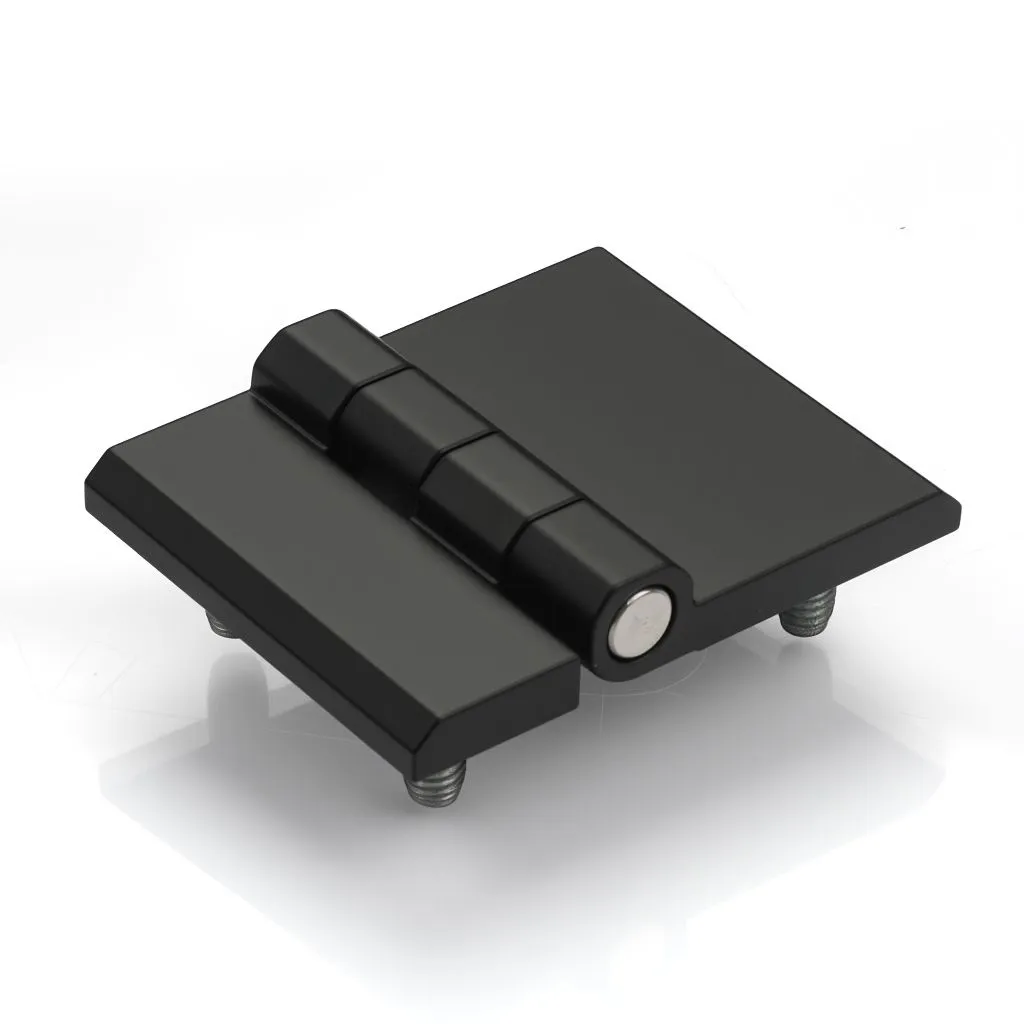
A Coaxial Switchgear Hinge is built around a shared central axis — both hinge leaves rotate around the same pivot point rather than offset from each other like a conventional hinge. This means the door moves in a tighter, more controlled arc when it opens, with less swing-out clearance needed on the side. For switchgear rooms and electrical substations where cabinet placement is tight and door clearance is limited, that difference in geometry matters in practice.
The coaxial design also distributes the load more evenly across the pivot point, which helps on heavier switchgear doors that see frequent operation over many years.
The coaxial switchgear hinge is most at home on medium to large switchgear enclosures, RMU cabinets, and high-voltage distribution panels where door weight, clearance constraints, and long service life all need to be accounted for in the hardware specification. It's less common on small distribution boxes or light enclosures where a simpler hinge covers the requirement without the added engineering.
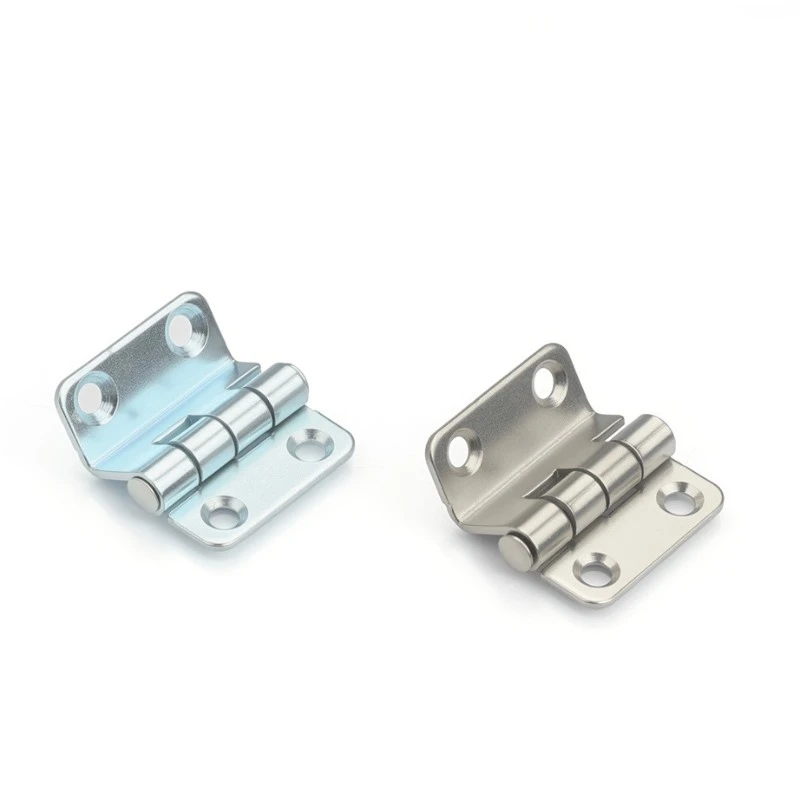
Zinc alloy is the standard material for most indoor switchgear applications, offering a solid balance of strength and cost. For enclosures in more demanding environments — higher humidity, outdoor substations, or installations requiring extended corrosion resistance — stainless steel is the more appropriate choice. Confirming the door weight and thickness before specifying the hinge ensures the pivot load rating and leaf dimensions are matched correctly to the installation.
Not every cabinet door needs a purpose-engineered hinge, but switchgear enclosures are one category where getting the hinge specification right from the start pays off in long-term reliability and easier door operation. The coaxial design addresses the specific constraints of that environment in a way a standard surface-mounted hinge simply isn't built to.