News

Concealed Hinges for Industrial Cabinets — What They Are and When They Make Sense?

2026-08-07 0 Leave me a message

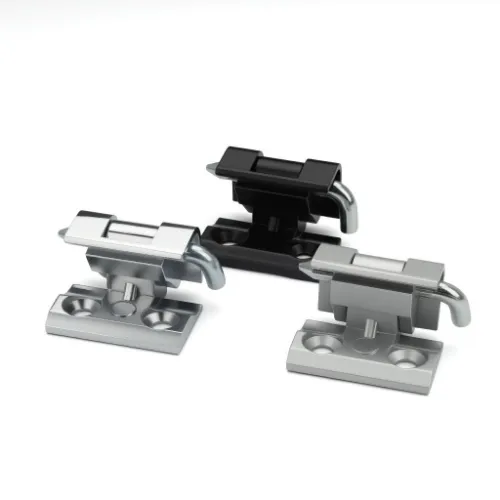
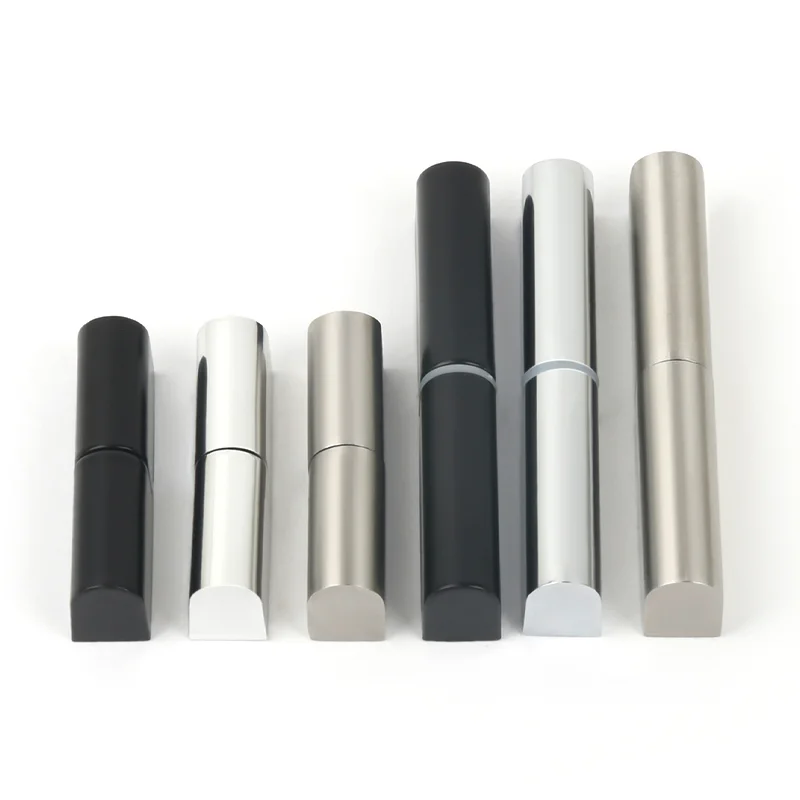
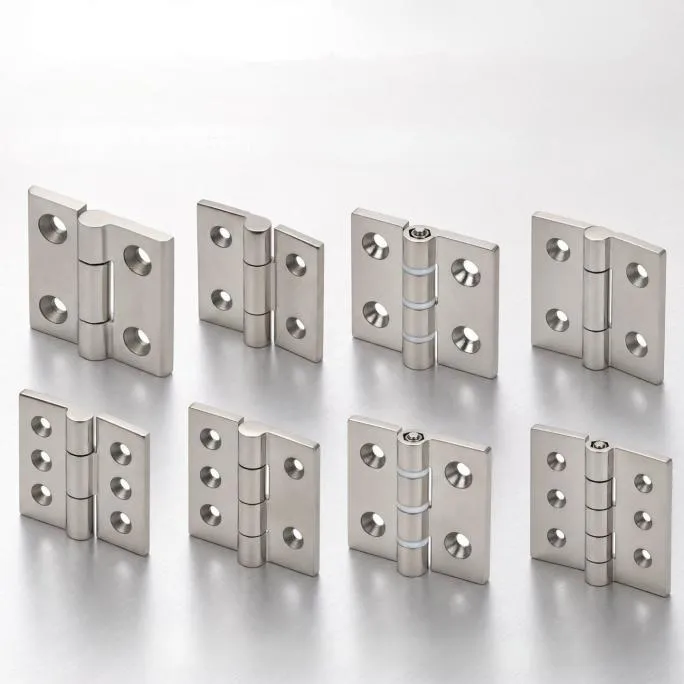
Most industrial cabinet hinges sit on the outside of the door — visible, functional, and unremarkable. A concealed hinge takes a different approach: the hinge mechanism is hidden inside the door frame when the door is closed, leaving a clean, uninterrupted panel face on the outside. Yitai Lock produces concealed hinges for electrical cabinets and enclosures across a range of materials and specifications, and while they're not the right fit for every application, there are situations where they make a lot of sense.

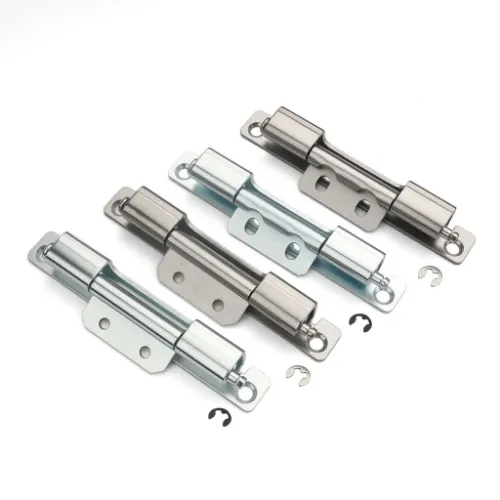
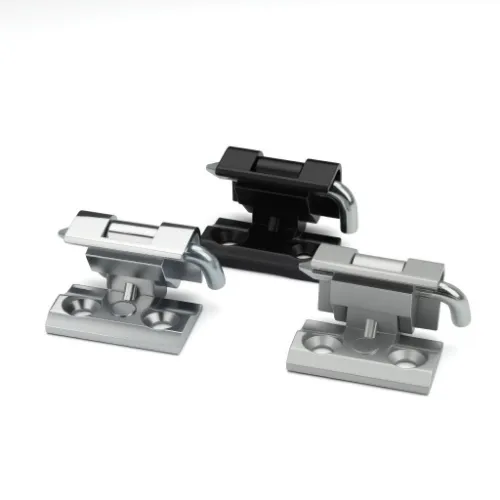
Cabinet Concealed Hinge

How a Concealed Hinge Works?

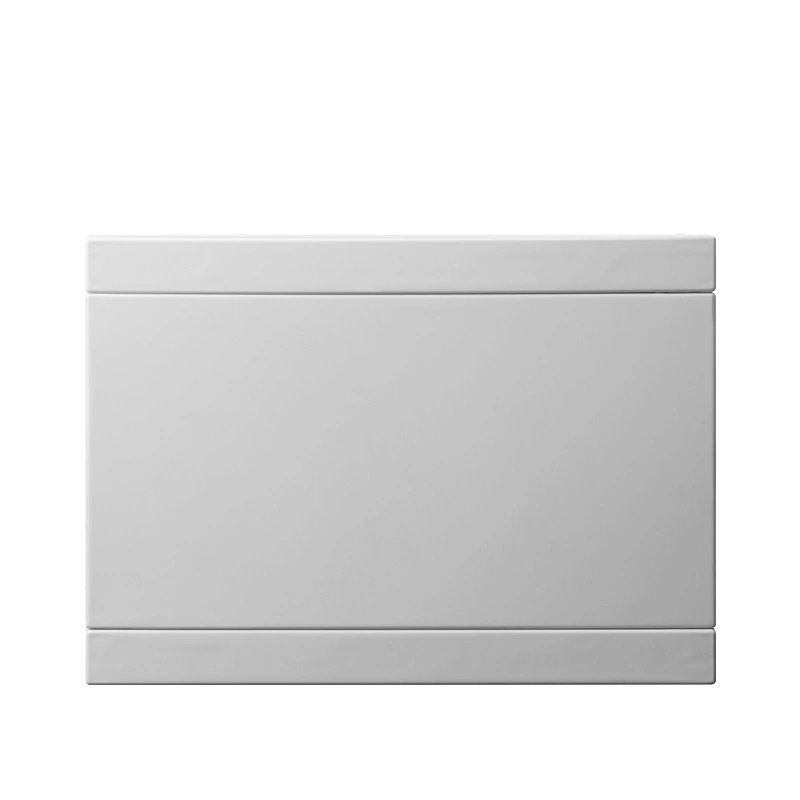
A concealed hinge — sometimes called an invisible or hidden hinge — is mortised into the door edge and frame rather than surface-mounted on the face. When the door closes, the hinge body sits entirely within the gap between door and frame, invisible from the outside. The door swings open and closed just like any other — the difference is there's nothing visible on the outside when it's shut. The pivot mechanism sits recessed within the material, so the panel face stays completely clean.

Where It's Used?

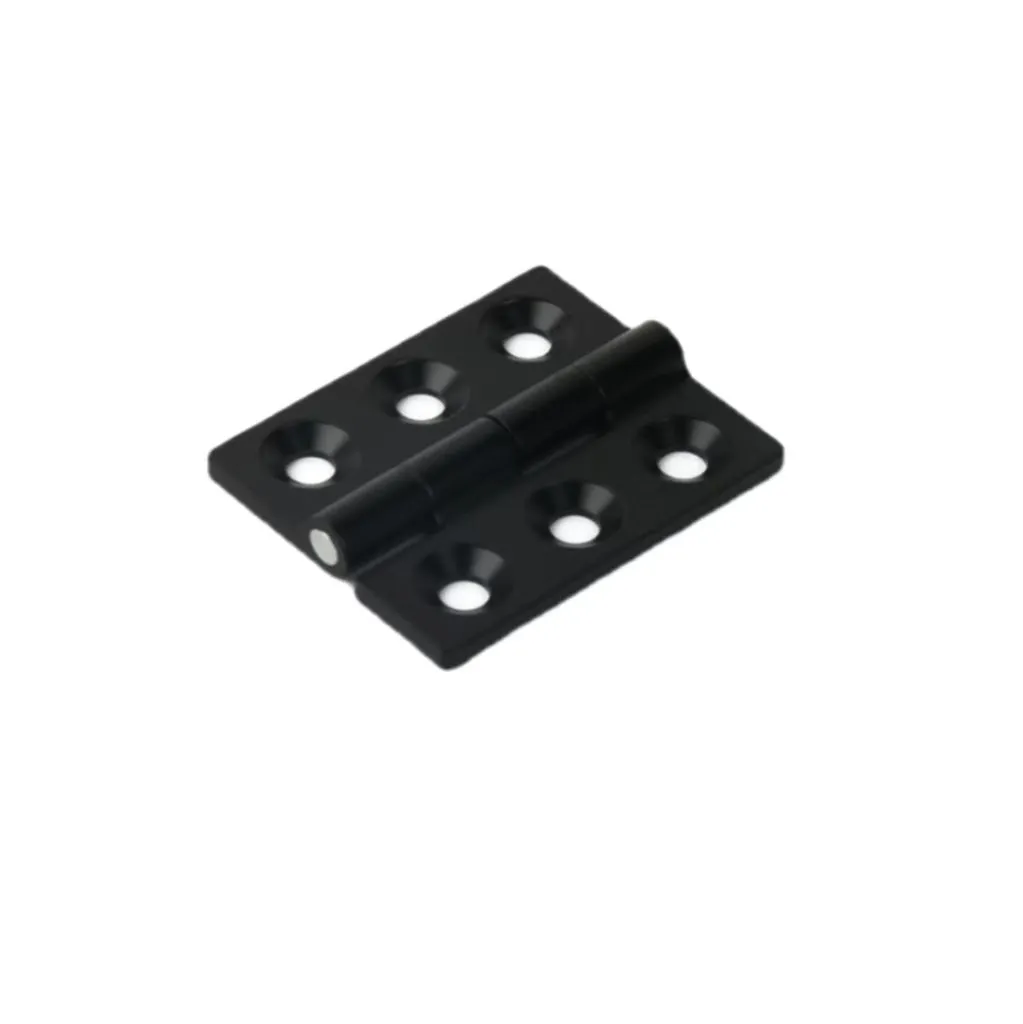
Concealed hinges make the most sense where the outside of the cabinet is on display. Yitai Lock's concealed hinges are a natural fit for switchgear and instrumentation panels in customer-facing locations, office or commercial environments where exposed hardware would look out of place, and high-end or custom enclosure builds where a seamless finish is part of the brief. They also work well on wardrobe and wooden door applications where visible hinge leaves would affect the overall look.

For standard factory floor or workshop enclosures where nobody's paying attention to the door face, a regular surface-mounted hinge is usually the simpler and more cost-effective call.The concealed hinge earns its place when the installation setting demands a cleaner look.

Material and Specification

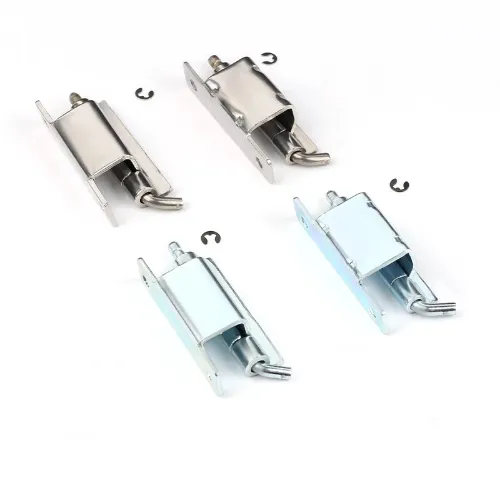
Yitai Lock's concealed hinges are available in stainless steel and zinc alloy. Stainless steel suits applications where the hinge will be exposed to humidity or where long-term corrosion resistance matters. Zinc alloy covers standard indoor installations where conditions are stable and cost is a consideration.

Door thickness and frame rebate depth are the key dimensions to confirm before specifying — the hinge body needs to fit within the available material without breaking through the surface, and the pivot point needs to align correctly with the door edge for smooth, even operation.

Cabinet Concealed Hinge

A Clean Finish Where It Counts

The concealed hinge is a straightforward choice when the goal is a panel face with no visible hardware. It takes a little more care to specify and install than a surface-mounted hinge, but the result — a door that opens and closes smoothly with nothing visible on the outside — is exactly what certain applications call for. For the right setting, Yitai Lock's concealed hinge range covers the material and specification options needed to get there.

Cabinet Concealed Hinge

Related News
Leave me a message
X
We use cookies to offer you a better browsing experience, analyze site traffic and personalize content. By using this site, you agree to our use of cookies.Privacy Policy
RejectAccept