News

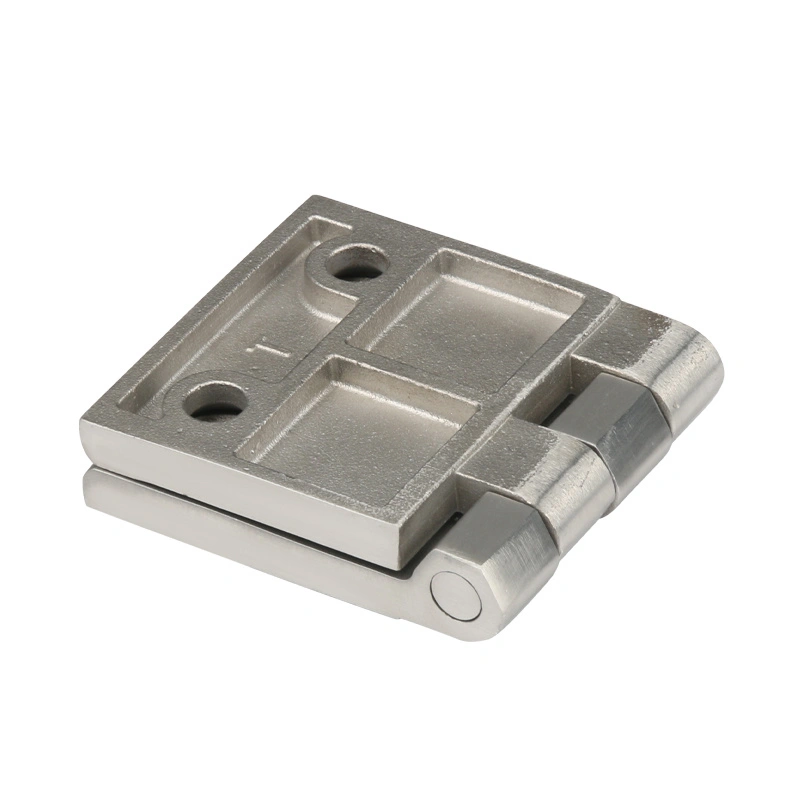
Square Hinge with Countersunk Holes — A Clean, Flush-Fitting Option for Industrial Cabinet Doors

2026-10-13 0 Leave me a message

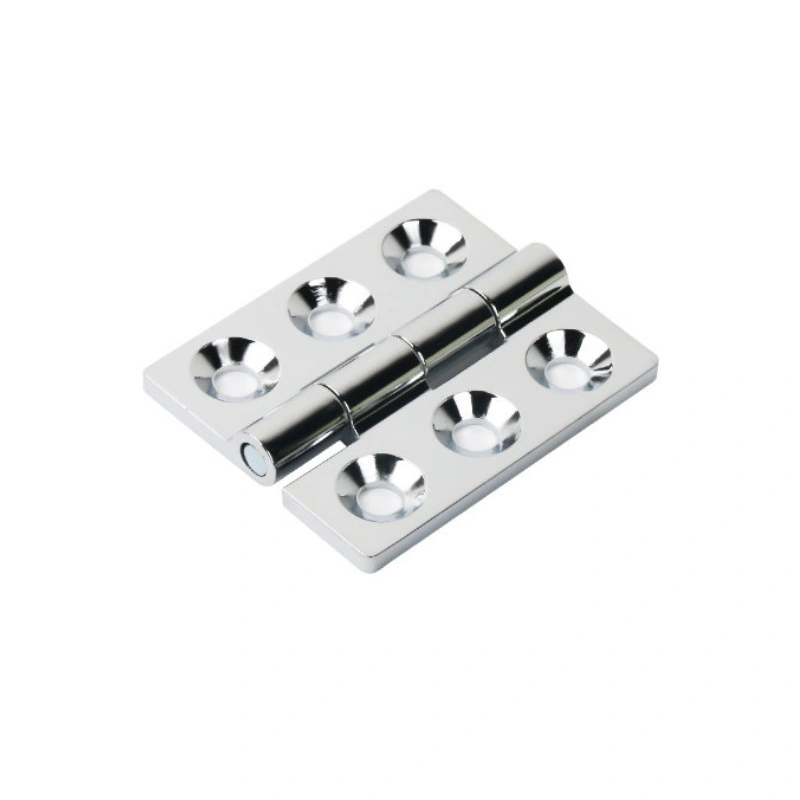
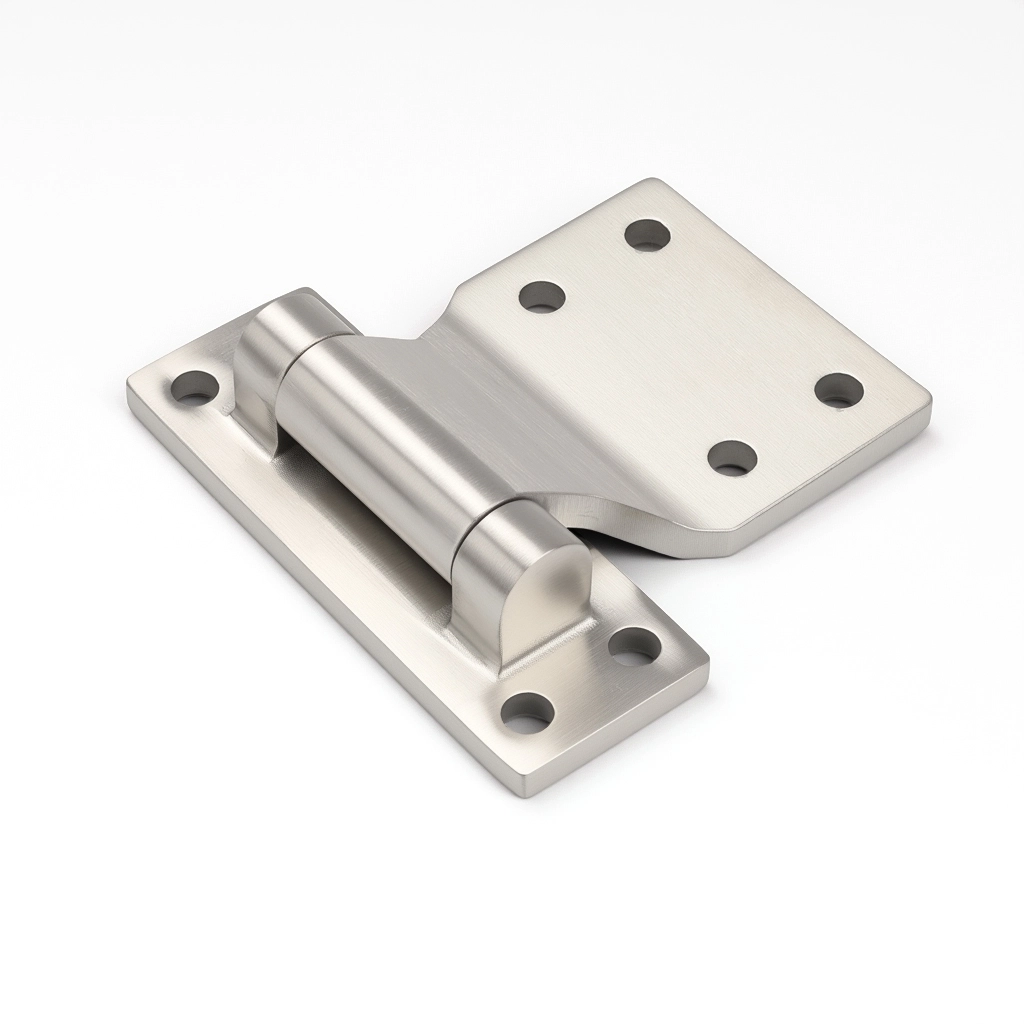
There’s nothing wrong with a standard surface-mounted hinge, but on certain cabinet builds the goal is a finish where nothing protrudes unnecessarily and the hardware sits as flat and tidy as possible against the panel. A square hinge with countersunk holes addresses that by letting the fixing screws sit flush with the hinge leaf surface rather than standing proud of it. Yitai Lock supplies this hinge type for electrical cabinets, distribution boxes, and industrial enclosures where a cleaner surface finish is part of the brief.

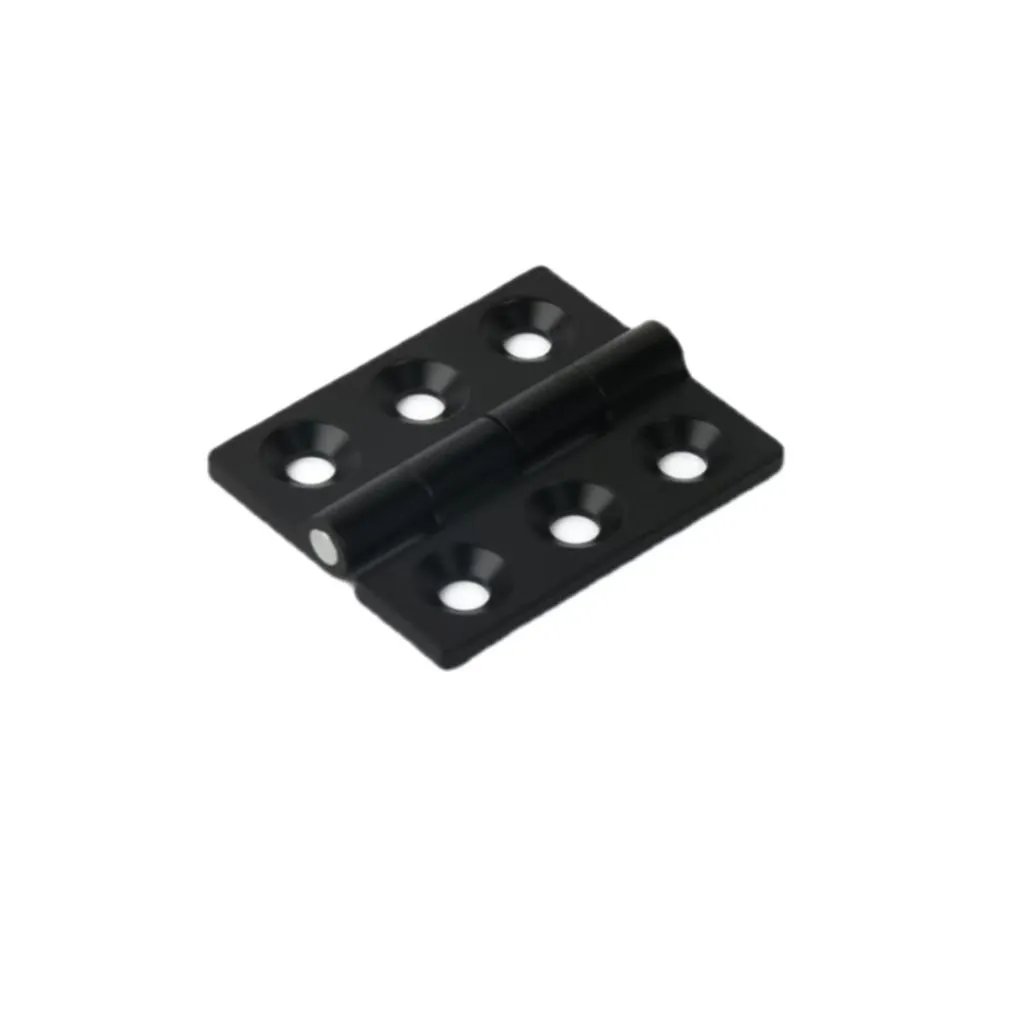
Square Hinge with Countersunk Holes

What the Countersunk Holes Do

On a standard hinge, pan-head or hex-head screws sit above the hinge leaf surface when tightened — a small but visible raised profile. Countersunk holes are machined at an angle so that a flat-head screw can be driven in until its head sits level with or just below the leaf surface. The result is a hinge face with no projecting fastener heads, which gives a cleaner appearance and eliminates any snag points on the hinge surface.

For enclosures where internal wiring or components run close to the door edge, a flush hinge face also reduces the risk of cable or component contact with raised screw heads during operation or maintenance.

Where It’s Used

The square hinge with countersunk holes is a good fit for:

· Electrical cabinets and distribution panels where a tidy internal finish is part of the specification

· Control cabinets in visible or customer-facing locations where surface hardware appearance matters

· Enclosures with tight internal clearances where raised screw heads on the hinge face could contact internal components

· Custom cabinet builds where the overall hardware finish is being held to a consistent standard across all fittings 

Square Hinge with Countersunk Holes

Small Detail, Noticeable Difference

The square hinge with countersunk holes isn’t a dramatic upgrade over a standard hinge — the mechanism works the same way and the installation process is nearly identical. But on cabinet builds where the finish is being taken seriously, the difference between screw heads that stand proud and ones that sit flush is exactly the kind of detail that separates a carefully specified enclosure from a generic one.

Related News
Leave me a message
X
We use cookies to offer you a better browsing experience, analyze site traffic and personalize content. By using this site, you agree to our use of cookies. Privacy Policy
RejectAccept