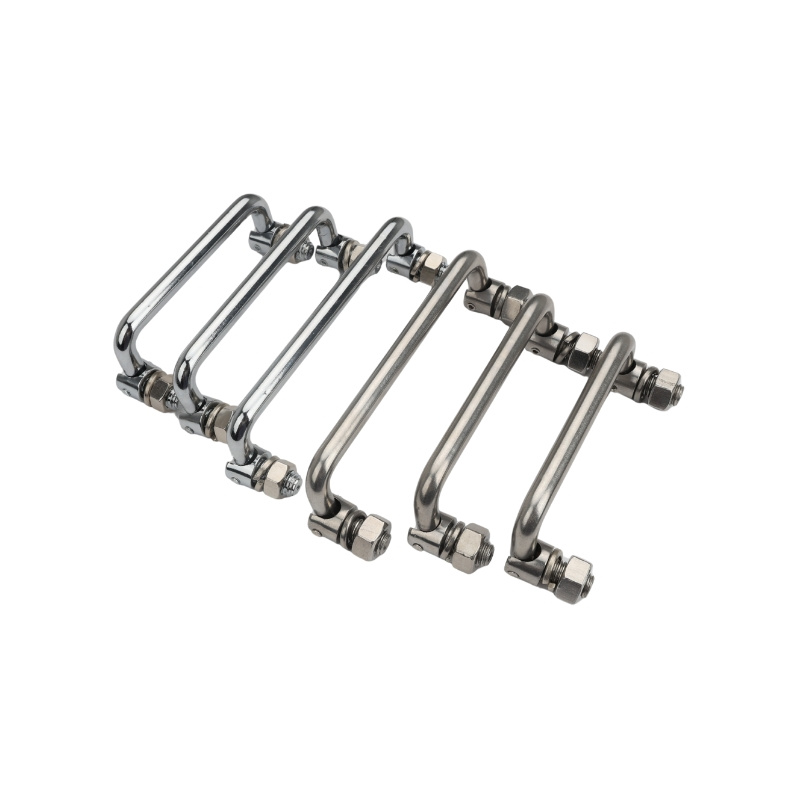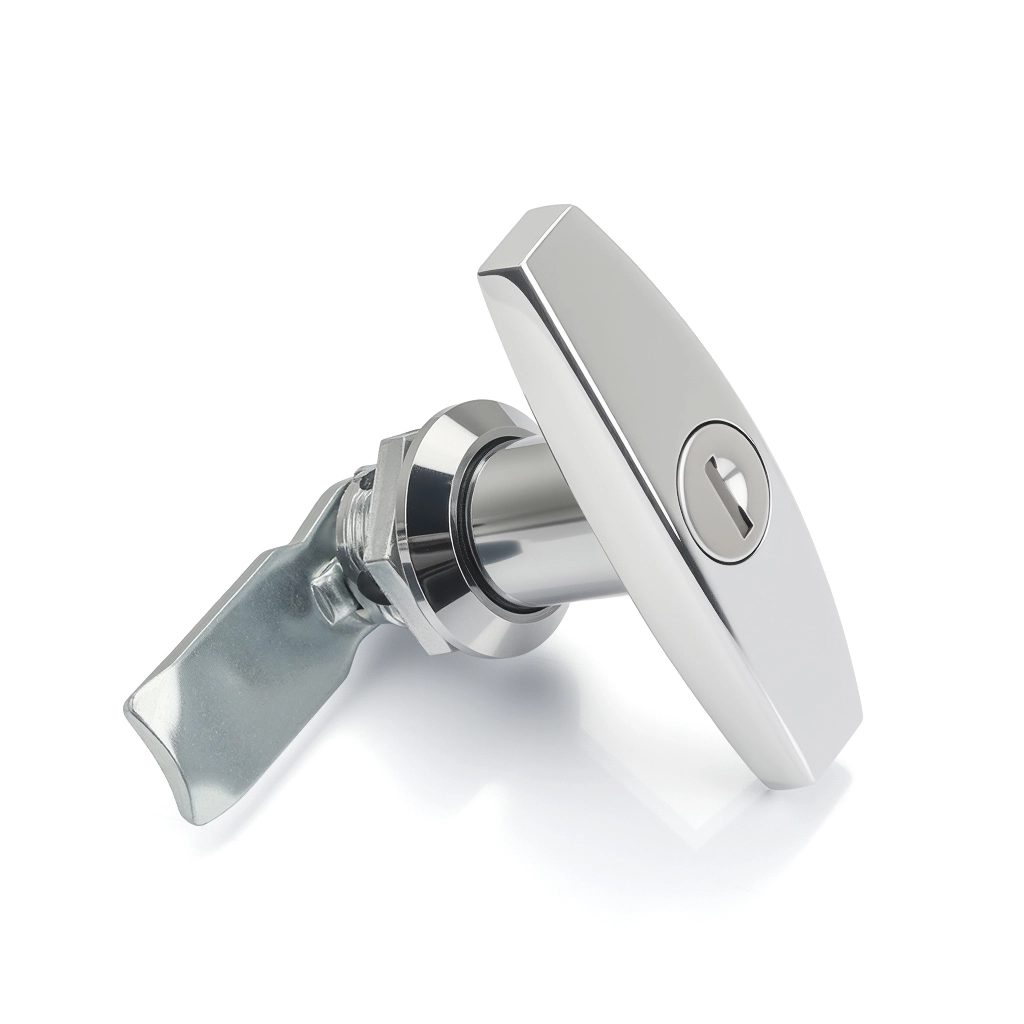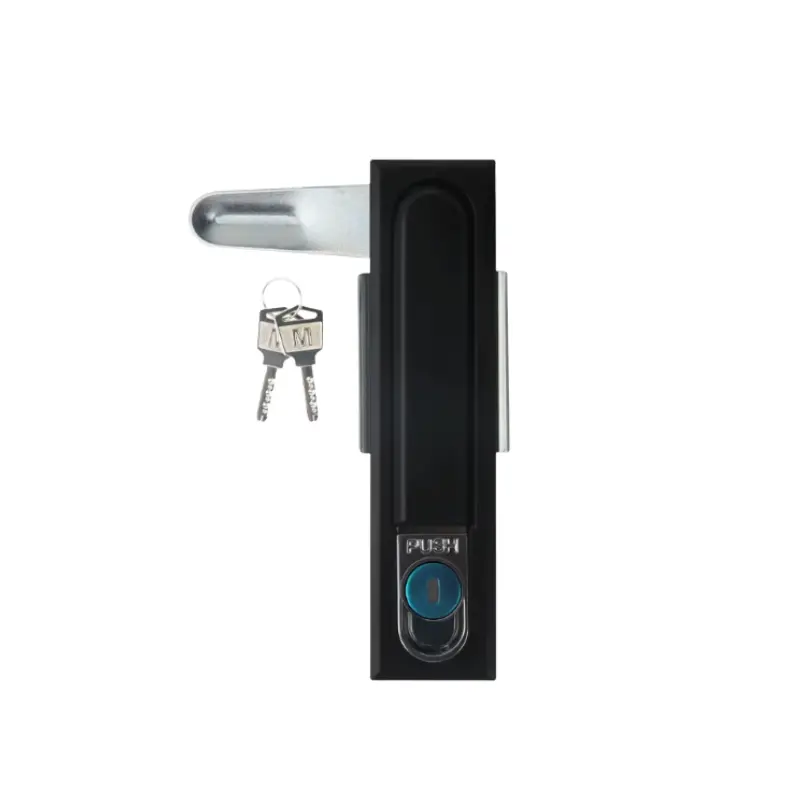
A pull handle is one of those fittings that seems simple until you start looking at the options. Size, material, mounting style, and finish all vary across the range, and getting them right matters more than it might seem — a handle that's too small for a heavy door, or a material that corrodes in a humid environment, creates a problem that's annoying to fix after the fact. Yitailock supplies pull handles across several materials and sizes for distribution cabinets and industrial enclosures. Here's what's worth knowing.
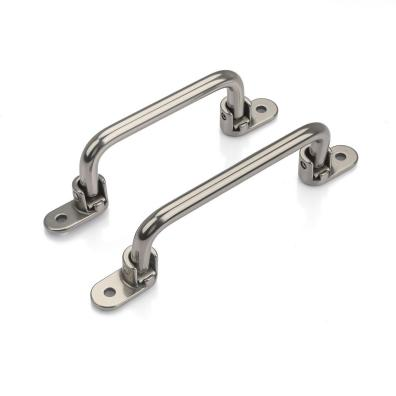
Stainless steel is the most common choice for industrial cabinet handles, and for good reason. It handles humidity, cleaning agents, and outdoor exposure without surface degradation, and the finish stays presentable over years of daily use. It's the default recommendation for any installation that isn't strictly controlled indoors.
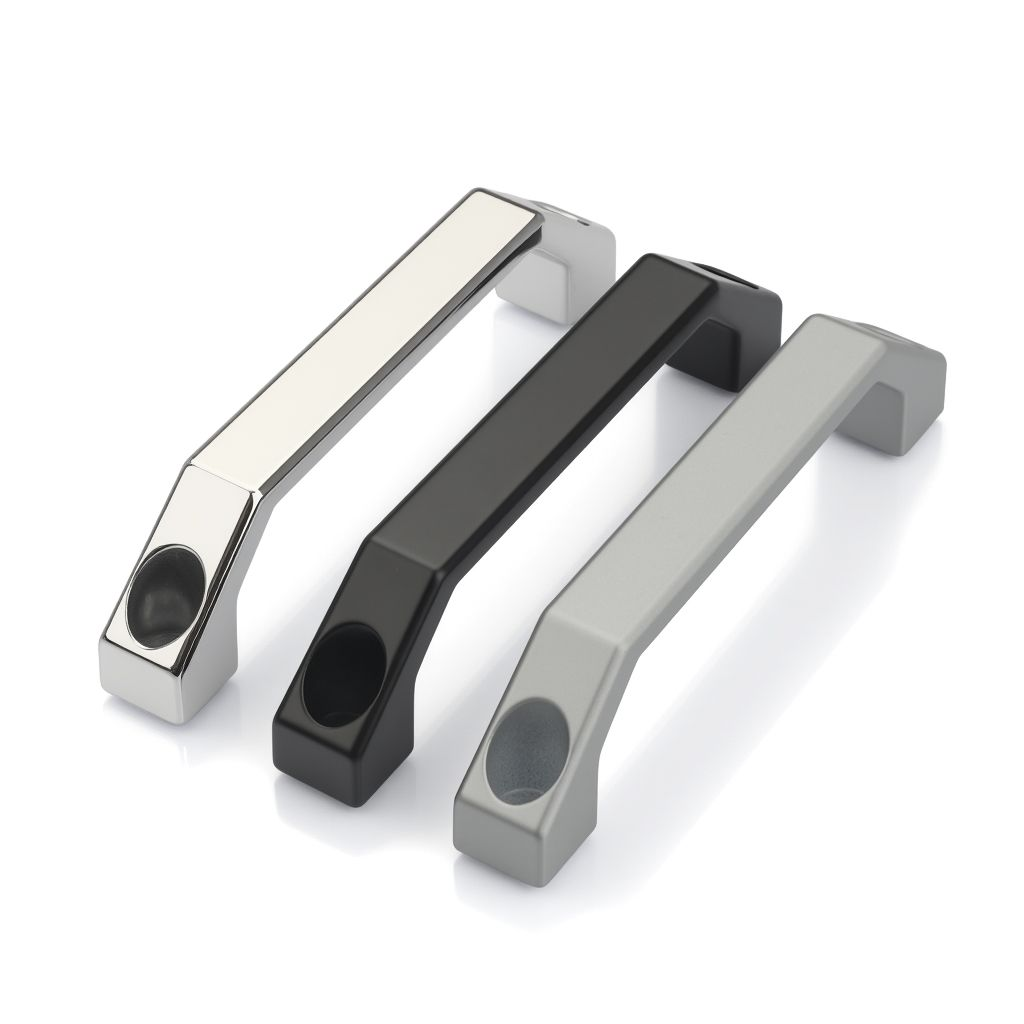
Zinc alloy is a decent option for standard indoor enclosures in stable conditions. It costs less than stainless steel and comes in a few finish options — bright chrome, matte, or powder-coated — so there's some room to match the cabinet's overall look.
Hidden handles are worth considering for installations where a flush panel surface is preferred. These sit recessed into the door and are gripped from inside the recess rather than wrapping around an external bar — useful on cabinets where protruding hardware would be a snag risk or an aesthetic concern.
Handle size should follow door size and weight. A small pull handle on a large, heavy cabinet door puts unnecessary stress on the mounting points and makes the door uncomfortable to operate. As a general guide, taller and heavier doors benefit from longer handles that distribute the pulling force more evenly and give a more natural grip position.
Mounting hole spacing is the other dimension to confirm before ordering — it needs to match the panel cutout or surface mounting positions without modification.
A pull handle is one of the most frequently touched pieces of hardware on a cabinet — every time someone opens the door, they interact with it. Getting those details right upfront means the handle feels natural to use and doesn't become something that needs attention a year down the line.