News

What's the Difference Between a DIN Cylinder Lock in Zinc Alloy and Stainless Steel?

2026-06-25 0 Leave me a message

If you've ever had to specify a DIN cylinder lock for a distribution cabinet or electrical enclosure, you've probably run into the same question: zinc alloy or stainless steel? Both are common, both work well in the right setting, and the choice comes down to a few practical factors. Yitailock produces both versions, so here's a straightforward breakdown.


What Is a DIN Cylinder Lock?

A DIN cylinder lock is a standardized cylindrical lock format widely used in electrical cabinets, distribution panels, and industrial enclosures across Europe and many export markets. The DIN standard means the dimensions are consistent across manufacturers, which makes replacement and cross-compatibility straightforward — a useful quality for facilities managing large numbers of cabinets.

Depending on the model, it can be fitted with different cam lengths and orientations to suit different door thicknesses and frame configurations.


Zinc Alloy — The Standard Indoor Choice

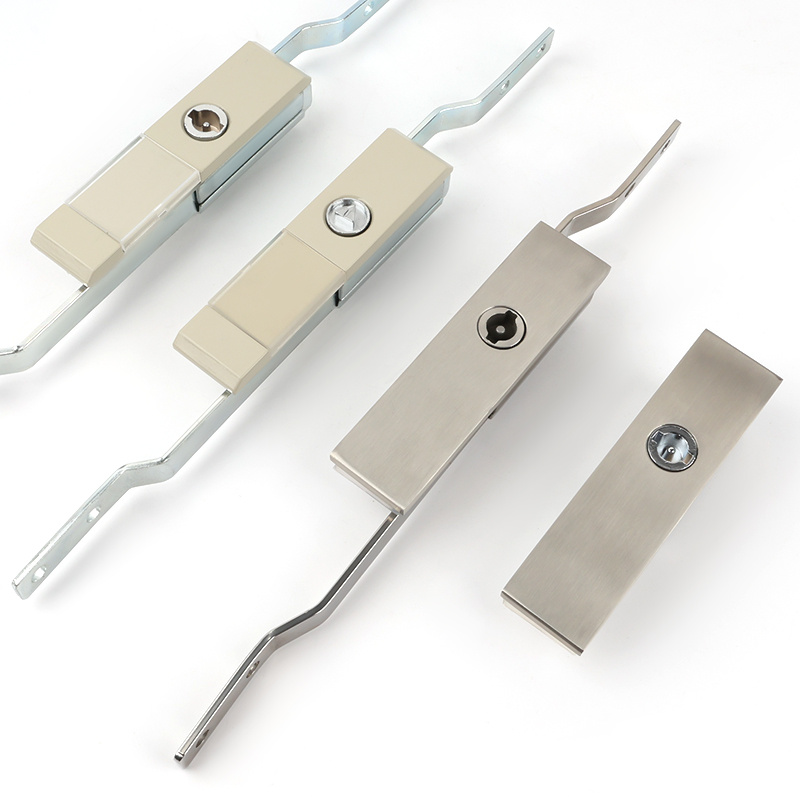
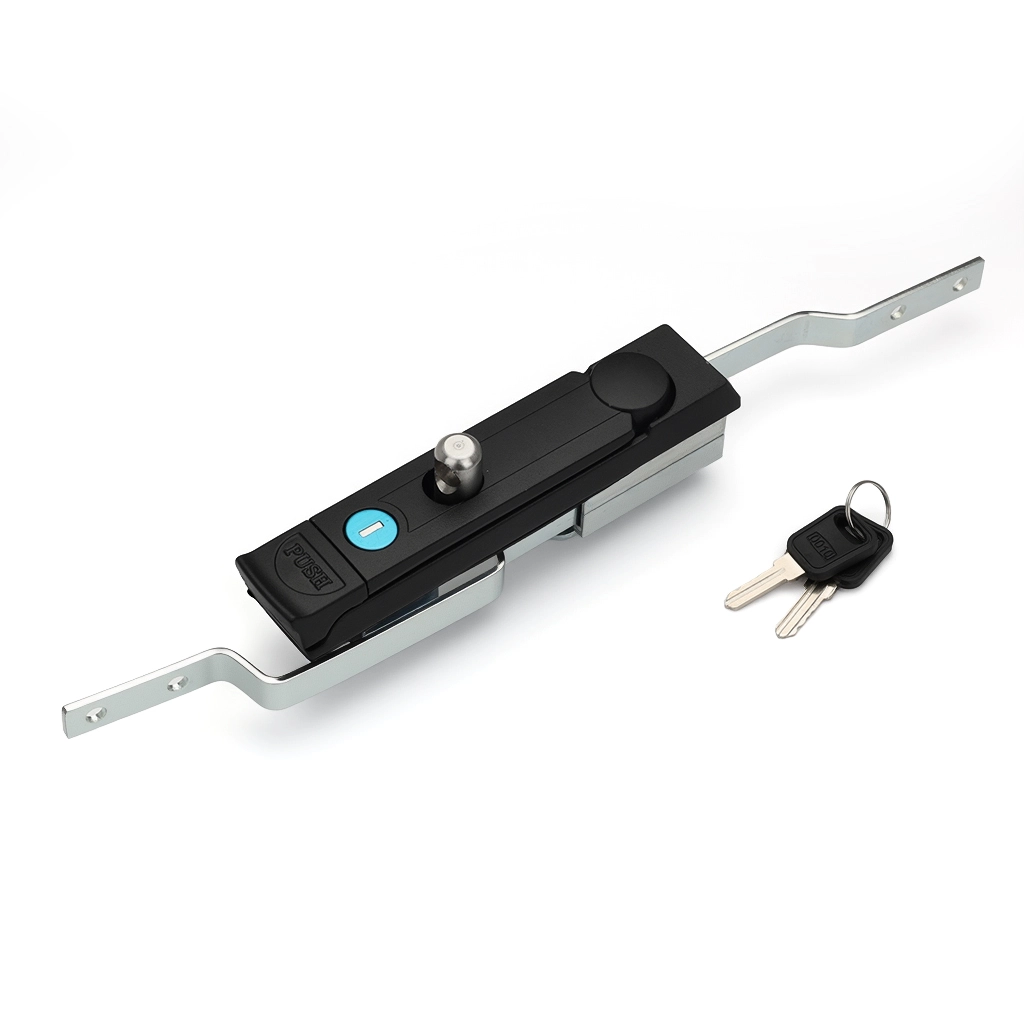
Zinc alloy DIN cylinder locks are the go-to for most standard indoor cabinet applications. They're cost-effective, easy to source, and hold up well in stable environments — control rooms, server areas, indoor distribution panels, and similar settings where temperature and humidity are reasonably controlled.

The finish is typically bright chrome or matte black, and the lock body feels solid without being heavy. For facilities fitting out large numbers of cabinets in a consistent indoor environment, zinc alloy covers the requirement reliably at a sensible price point.


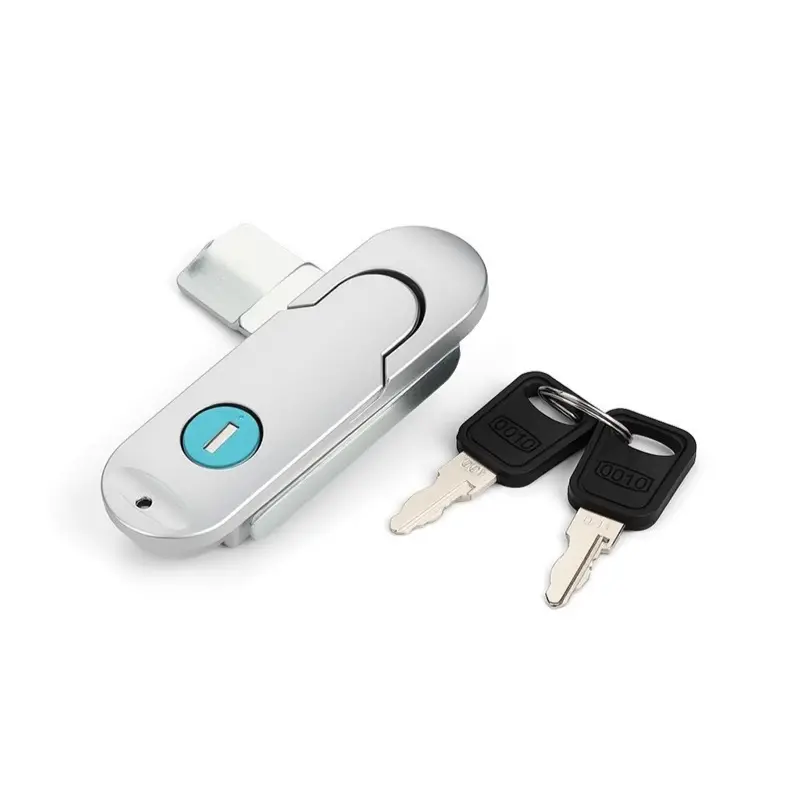
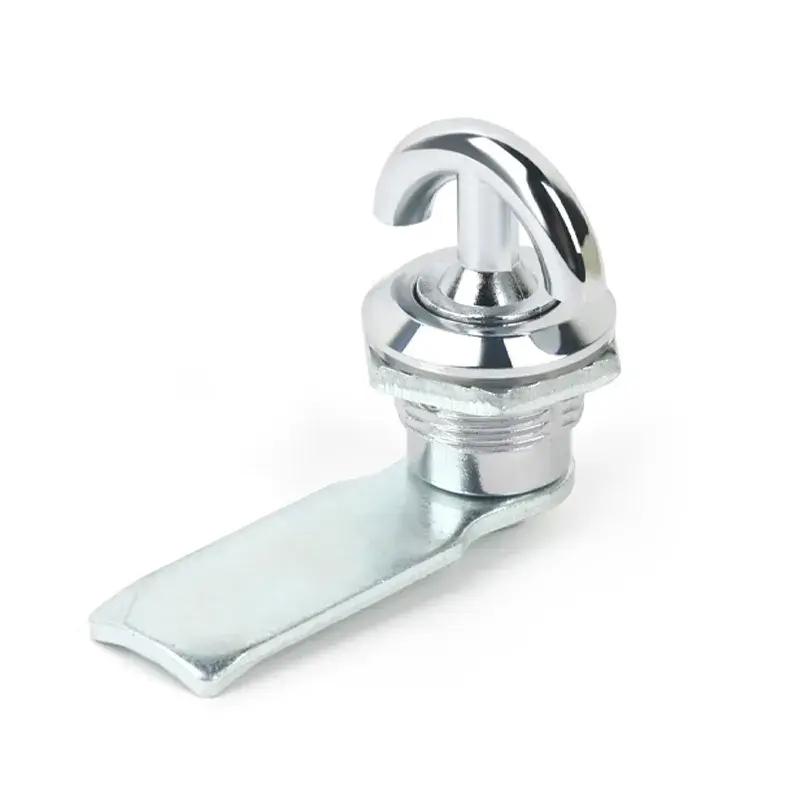
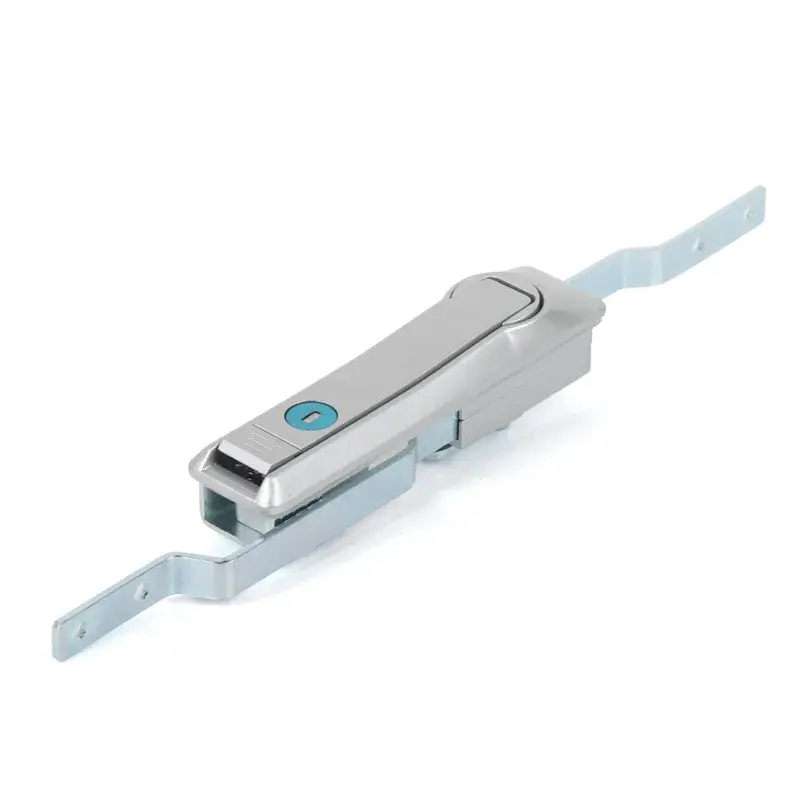
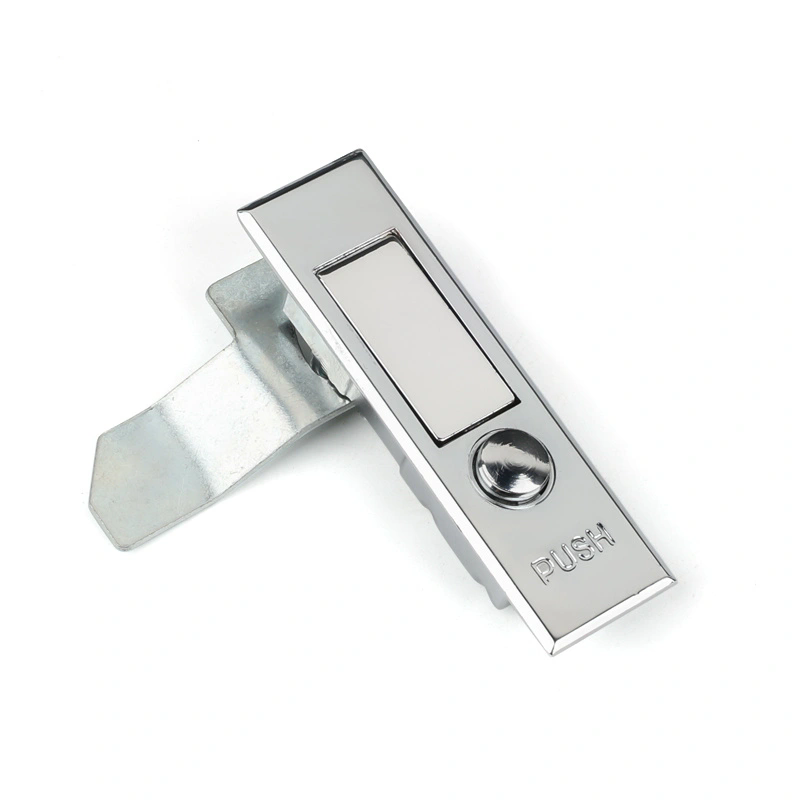
 DIN cylinder lock

Stainless Steel — For Tougher Conditions

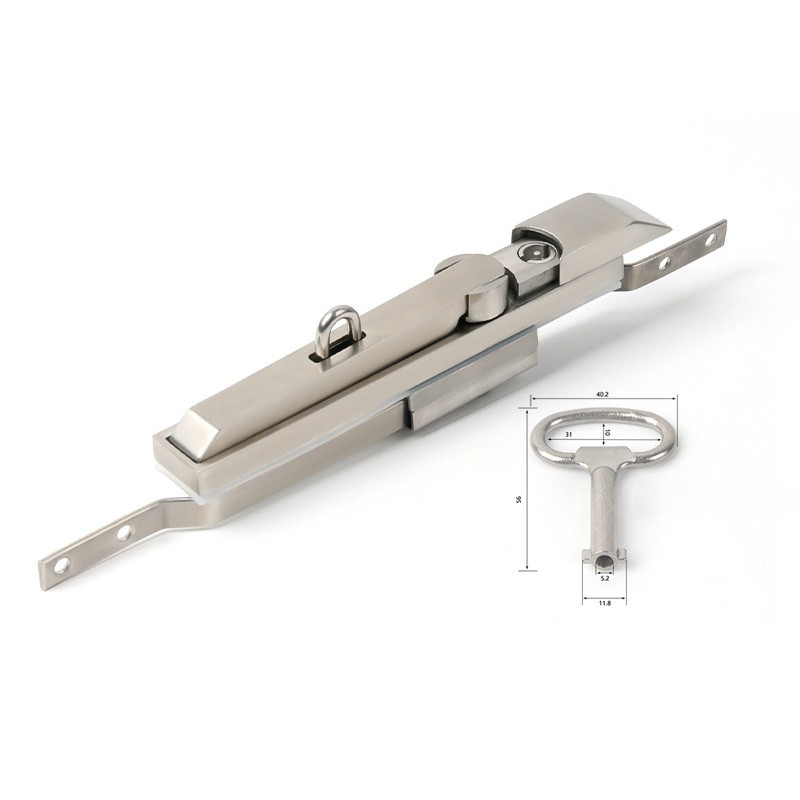
Stainless steel DIN cylinder locks are the right call when the environment pushes beyond what zinc alloy can handle comfortably. Outdoor enclosures, coastal installations, high-humidity industrial environments, and cabinets exposed to regular cleaning chemicals all benefit from stainless steel's resistance to corrosion and surface degradation over time.

The upfront cost is higher, but in demanding conditions the stainless steel version simply lasts longer without showing wear — which matters for cabinets that are difficult or disruptive to service frequently.

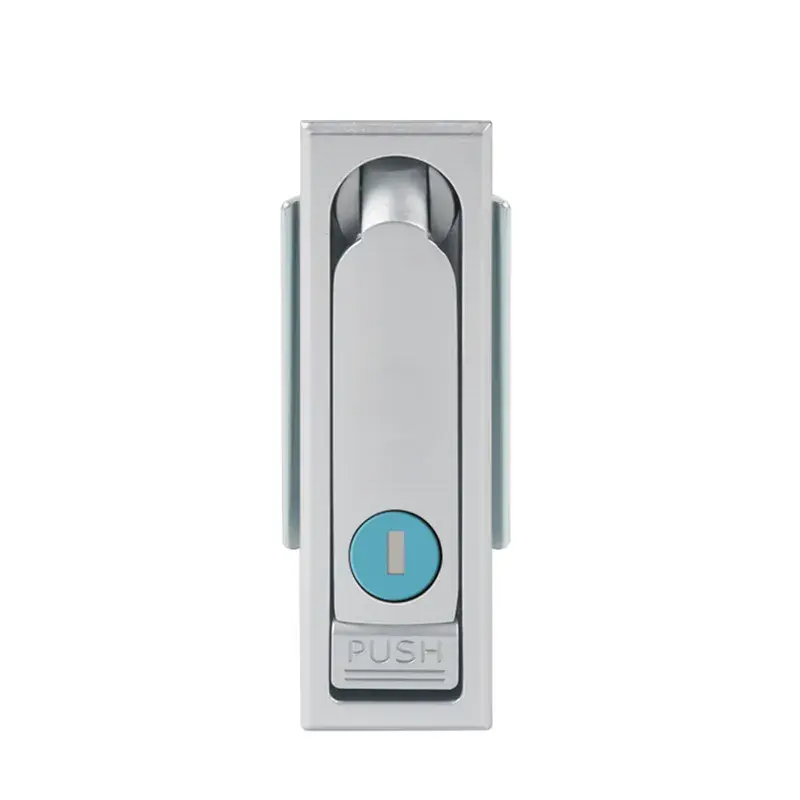
 DIN cylinder lock

A Simple Way to Decide

If the cabinet is indoors and in a stable environment — zinc alloy. If it's outdoors, in a humid space, or anywhere that sees moisture regularly — stainless steel. Both versions follow the same DIN standard, so switching between them for different parts of an installation is straightforward without affecting compatibility.

Related News
Leave me a message
X
We use cookies to offer you a better browsing experience, analyze site traffic and personalize content. By using this site, you agree to our use of cookies.Privacy Policy
RejectAccept