News

Where Are Triangle Locks Used and How Do You Choose the Right One?

2026-08-06 0 Leave me a message

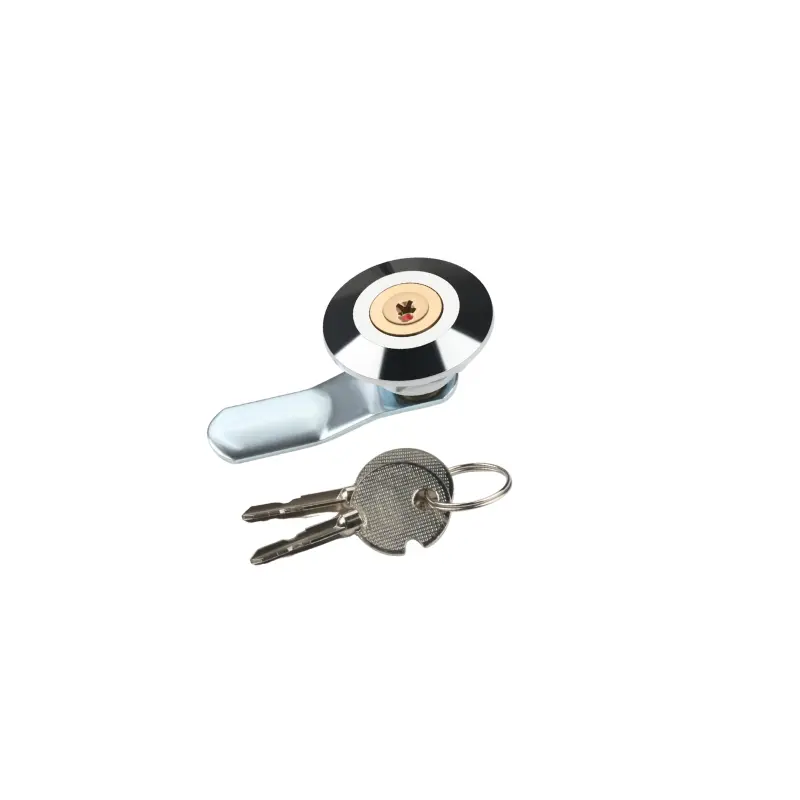
The triangle lock is one of those products that's easy to overlook until you realize just how widely it's used. Walk past a street-side meter box, an outdoor distribution cabinet, or a utility enclosure almost anywhere in the world and there's a good chance a triangle lock is what's keeping the door closed. Yitai Lock produces triangle locks across several materials and configurations, and getting the selection right comes down to a few practical decisions. Here's what to consider when specifying one.

What Is a Triangle Lock?

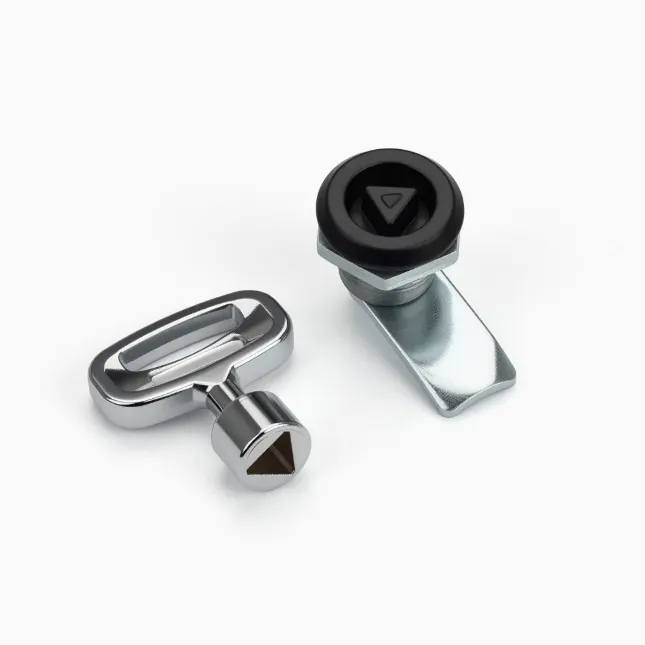
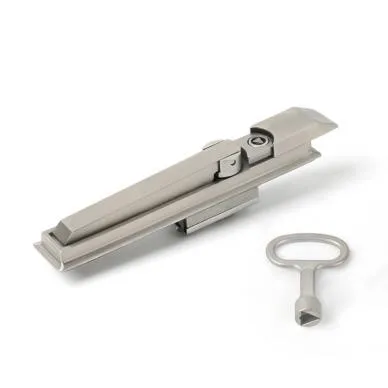
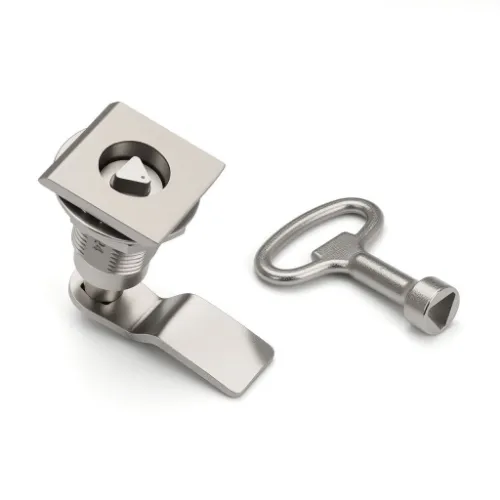
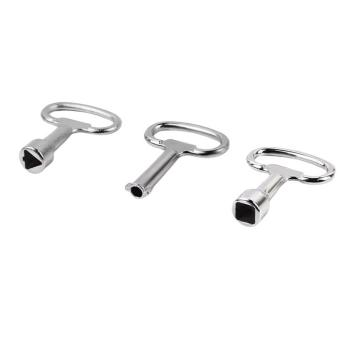
A triangle lock gets its name from the triangular key profile used to operate it. Insert the triangular key, give it a turn, and the cam behind the panel engages or retracts — that's really all there is to it. The lock sits flush with the cabinet surface with no handle or lever sticking out, which keeps the panel face clean and snag-free.

Where Are Triangle Locks Used and How Do You Choose the Right One?

Where It's Commonly Used?

Yitai Lock's triangle locks are a go-to choice for:

Meter boxes and electricity distribution enclosures — where the triangle key has become something of an industry standard for utility access

Street-side and outdoor cabinets — where a flush, weather-resistant lock is needed and a protruding handle would be impractical

Telecom and network enclosures — where standardized key access across multiple sites simplifies maintenance

Industrial control cabinets — as a secondary or auxiliary lock where the triangle format is already in use across the facility

The standardized key format is one of the triangle lock's practical strengths — one key can open multiple cabinets across a site, which simplifies access management considerably for maintenance teams.

Where Are Triangle Locks Used and How Do You Choose the Right One?

Material Options

Yitai Lock's triangle locks are available in three materials:

Zinc alloy is the standard choice for most indoor and semi-exposed applications. It handles normal conditions well and is available in a range of finishes. For the majority of distribution cabinet and meter box installations in covered or sheltered locations, zinc alloy is the practical and cost-effective pick.

Aluminum alloy is the lighter option — handy for portable enclosures or thinner panels where keeping the hardware weight down actually matters.

Stainless steel is the right call for outdoor installations, coastal environments, or anywhere that sees regular moisture or salt exposure. It holds up considerably better than zinc alloy over the long term in demanding conditions, and for a lock that might sit on an outdoor cabinet for many years, the durability difference is worth the additional cost.

Where Are Triangle Locks Used and How Do You Choose the Right One?

Key Considerations Before Ordering

Panel cutout size and lock body depth are the two dimensions to confirm before ordering. The lock body needs to fit the cutout cleanly, and the cam length at the back needs to suit the panel thickness and frame engagement depth. Most triangle lock datasheets specify the recommended panel thickness range — staying within that range ensures the cam engages properly without over-travel or under-engagement.

A Dependable Standard for the Right Setting

The triangle lock isn't trying to be a high-security solution — it's a standardized, low-profile, easy-to-operate lock that suits a wide range of utility and industrial enclosure applications. Getting the material and dimensions right is what makes it a fitting that works reliably for years without drawing any attention to itself.

Related News
Leave me a message
X
We use cookies to offer you a better browsing experience, analyze site traffic and personalize content. By using this site, you agree to our use of cookies.Privacy Policy
RejectAccept