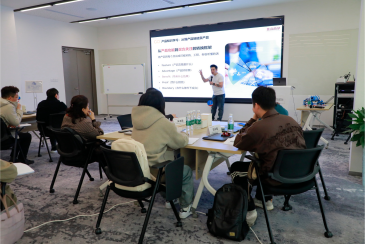
Growth in industrial hardware doesn't happen on its own — it takes a team that understands both the product and the market. Earlier this period, Yitailock brought together its management and sales team for a full-day internal training session. The agenda covered a range of topics, but the underlying theme was the same throughout: how to find the right customers, communicate more effectively, and build relationships that actually go somewhere.


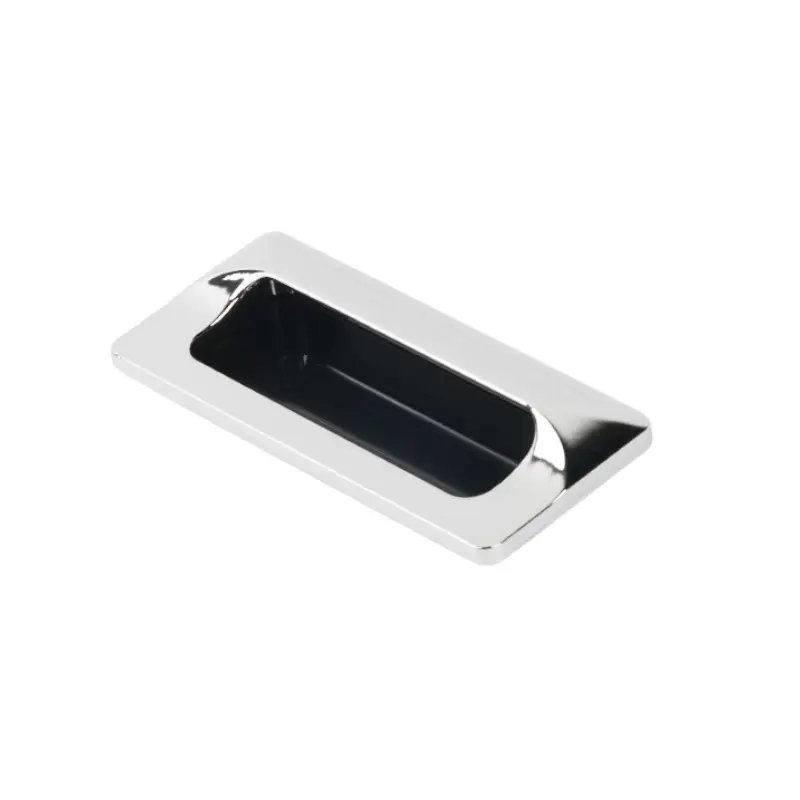
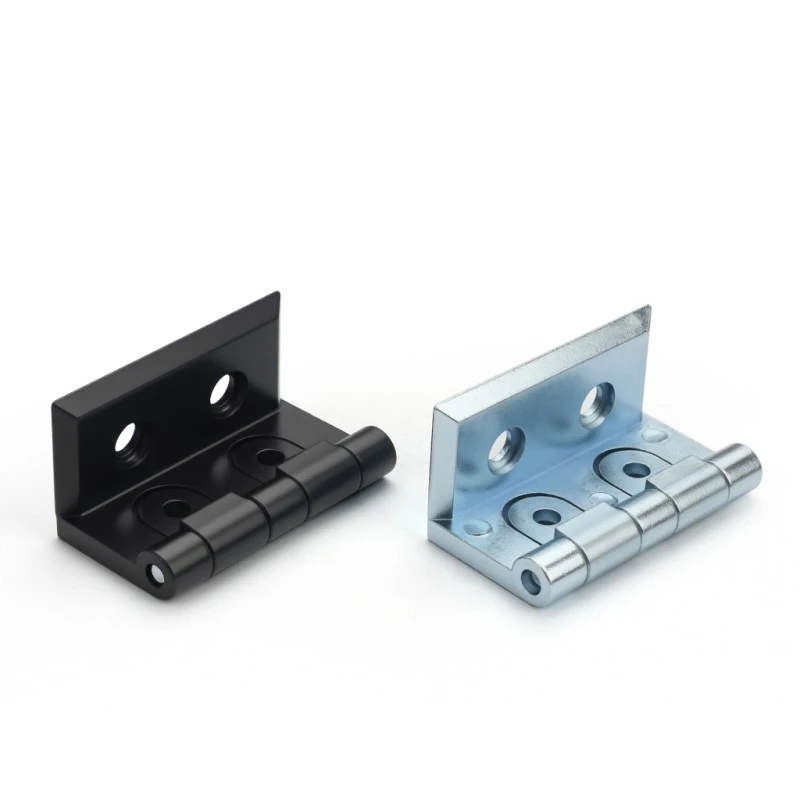
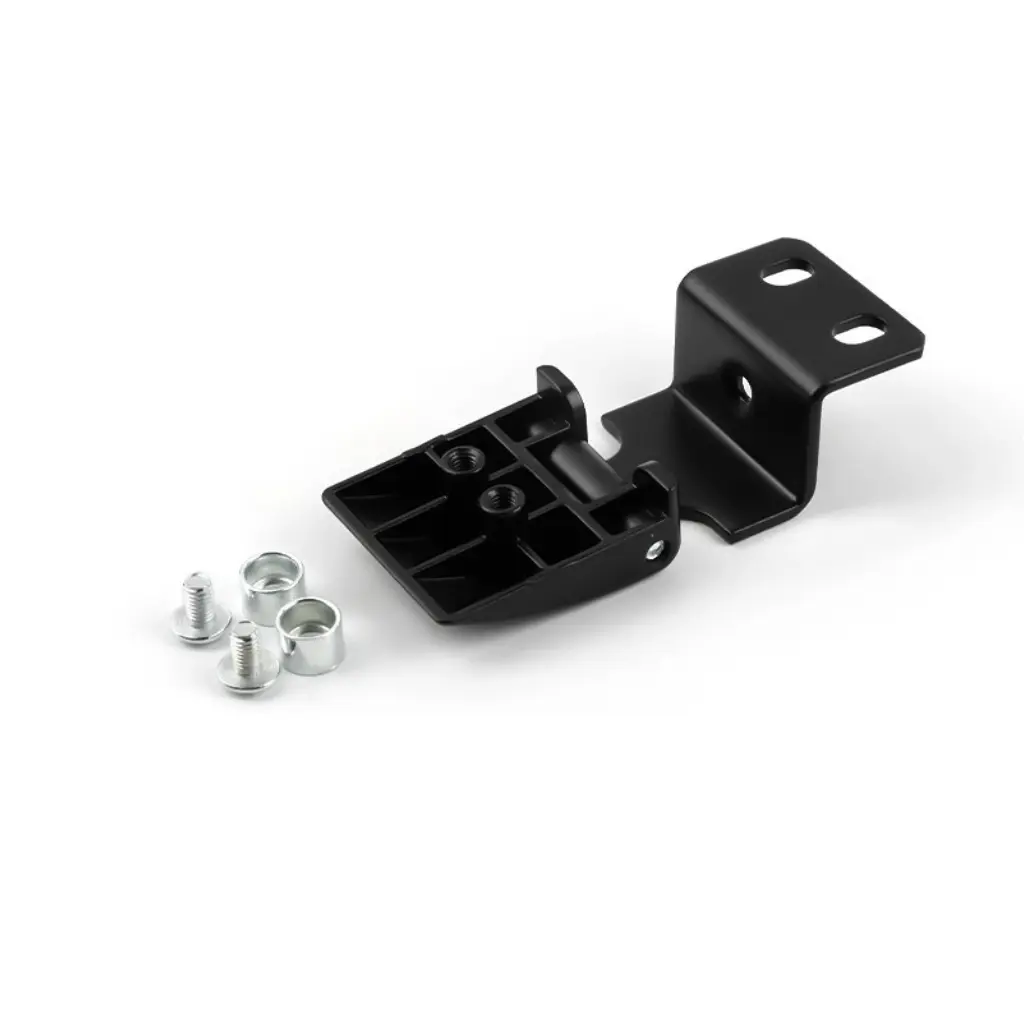
A good portion of the session focused on where to find customers and how to show up well once you do. That meant going through B2B platform operations and how product listings for cabinet locks, hinges, and enclosure hardware can be presented more clearly — the kind of detail that helps a buyer decide whether to reach out rather than scroll past.
The team also spent time on Google-based customer sourcing and how to use customs data to identify potential buyers in specific markets. These aren't complicated tools, but using them with a bit more intention makes prospecting less of a guessing game.
One of the more practical parts of the training dealt with customer background research — not just knowing what a company does, but understanding the person on the other end of the conversation. Different contacts have different priorities. A procurement manager thinks differently from an engineer or a business owner, and adjusting how you communicate based on that makes a real difference in how far a conversation goes.
This tied naturally into the discussion on email follow-up — how to write messages that feel relevant rather than generic, and how to time follow-ups in a way that keeps things moving without being pushy.
For a product category like industrial cabinet hardware, offline still matters. Clients want to handle a rod lock or handle lock in person, ask technical questions, and get a read on the supplier before committing to larger orders. The session covered booth preparation, how to lead conversations at a show, and — just as importantly — how to follow up properly once it's over so that a good conversation doesn't just fade out.
Sessions like this reflect a straightforward belief: having solid products is only part of the picture. The management and sales team left with a clearer sense of how to approach different channels and, more usefully, how to connect them so that efforts in one area support the others. The plan is to keep building on this as the team puts it into practice.
-