News

What Should You Know Before Choosing a Cam Lock for Your Cabinet or Enclosure?

2026-07-23 0 Leave me a message

Cam Locks show up everywhere in industrial hardware—on electrical cabinets, utility enclosures, vending machines, distribution boxes, you name it. They're compact, easy to install, and simple to operate, which is a big part of why they've become such a default choice. Yitai Lock produces Electric Cabinet Door Cam Lock across a range of materials and configurations, and while the basic concept is straightforward, there are enough variations in the range that a little guidance on selection goes a long way. Here's what's worth understanding before placing an order.


How a Cam Lock Works?

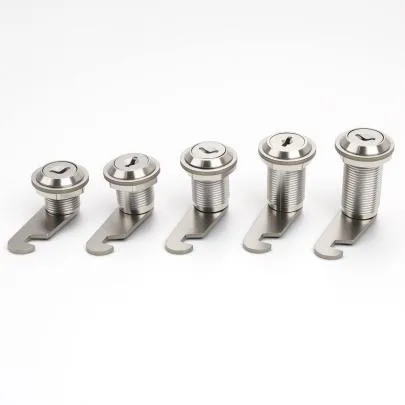
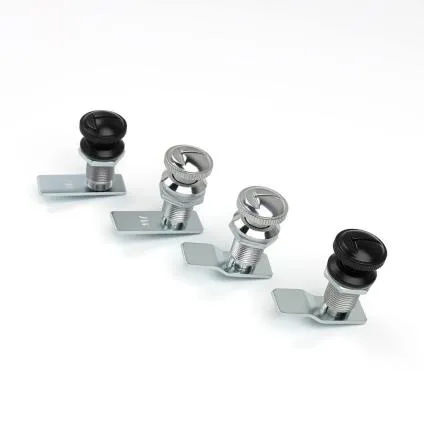
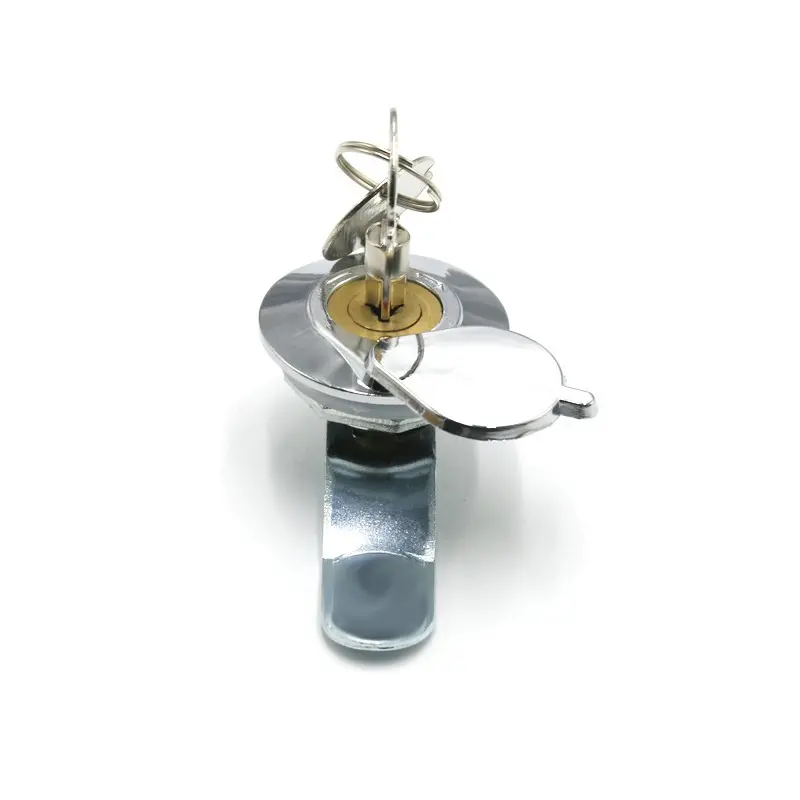
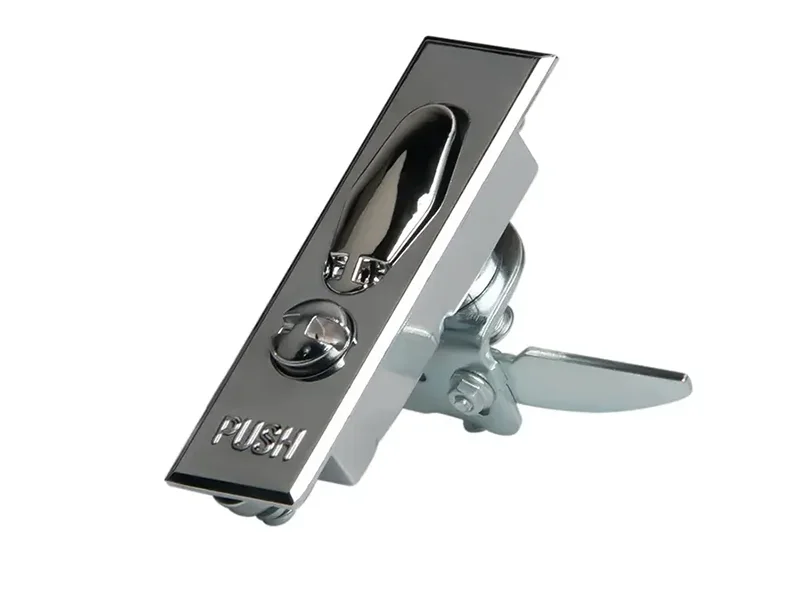
A cam lock consists of a cylindrical body that mounts through a panel hole, and a rotating cam at the back that swings into place when the key is turned—locking the door against the frame. The key is removed, and the door stays closed. Turn it the other way and the cam retracts, allowing the door to open.

The simplicity of the mechanism is part of the appeal. There are very few moving parts, installation is quick, and the lock body sits flush with the panel surface, which makes it a natural fit for cabinets where a low-profile fastening solution is preferred over a handle-based lock.

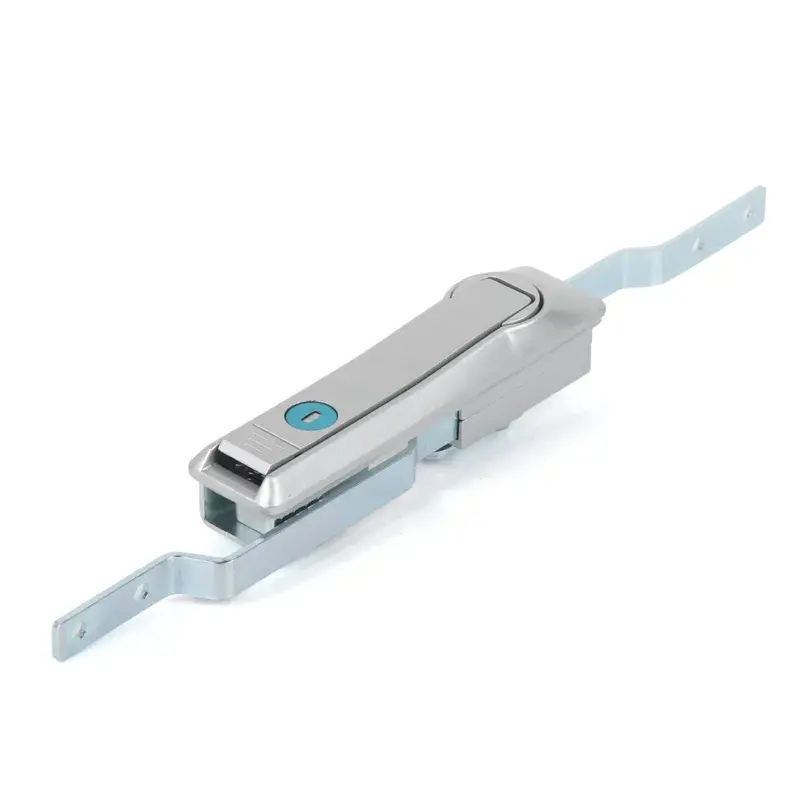
Electric Cabinet Door Cam Lock


Material Options

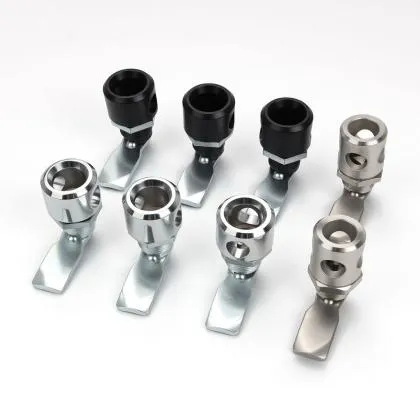
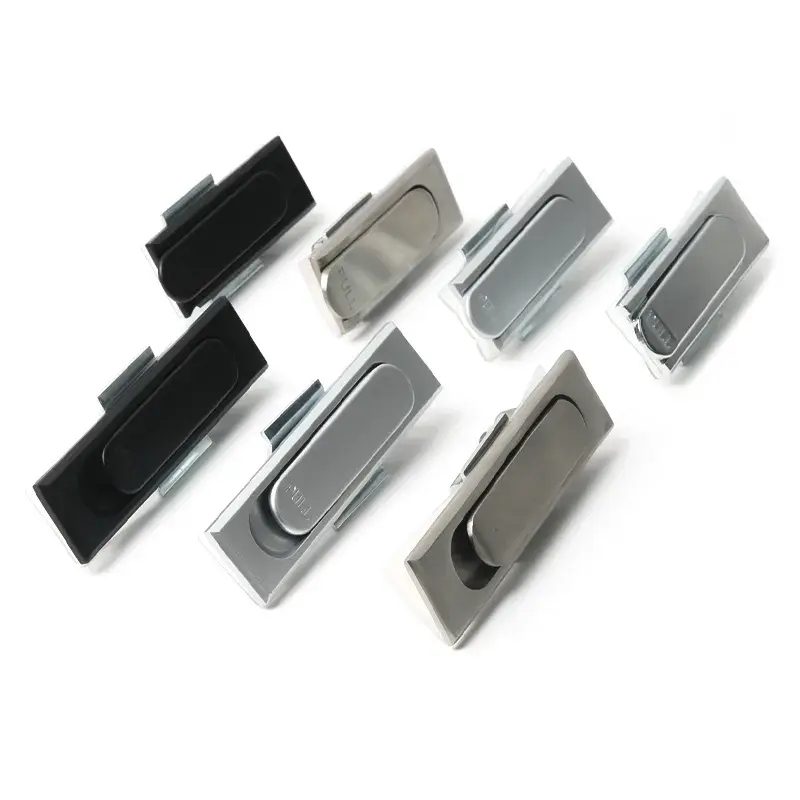
Zinc alloy is the standard choice for most indoor applications. It's cost-effective; available in a range of finishes, including bright chrome and matte black; and holds up well in stable indoor environments like control rooms, server racks, and indoor distribution panels.

Stainless steel is the better option for outdoor enclosures, high-humidity environments, or installations exposed to cleaning chemicals. The corrosion resistance is meaningfully better over the long term, and for a lock that might sit on an outdoor utility box for a decade, that difference adds up.

For budget-sensitive applications in dry indoor settings, plastic cam locks are available — though these are suited to lighter-duty panels and lower-frequency access rather than heavy industrial use.


Key Types and Cylinder Options

One of the more useful aspects of the cam lock format is the range of key cylinder options available. Common choices include flat key, tubular key, and standard pin tumbler cylinders, with security levels varying accordingly. For facilities that need one key to open multiple cabinets, keyed-alike options are worth specifying upfront — it's much easier to sort this at the ordering stage than to rekey locks after installation.

Electric Cabinet Door Cam Lock


Cam Length and Panel Thickness

The cam itself comes in different lengths to suit different panel and frame thicknesses. A cam that's too short won't engage the frame properly; one that's too long will over-travel and put stress on the mechanism. Always confirm the panel thickness and frame depth before specifying the cam length—most product datasheets list the recommended range clearly.


A Versatile Lock for the Right Application

The cam lock is at its best when the priority is simplicity and a clean panel finish over heavy-duty clamping. Lighter cabinet doors, drawer units, utility enclosures, and vending machine panels are all natural fits—it goes in quickly, operates without fuss, and tends to just keep working without much attention over time.

Electric Cabinet Door Cam Lock


Related News
Leave me a message
X
We use cookies to offer you a better browsing experience, analyze site traffic and personalize content. By using this site, you agree to our use of cookies.Privacy Policy
RejectAccept