News

Can Your Rotary Handle Lock Resist Tampering and Prying?

2026-06-01 0 Leave me a message

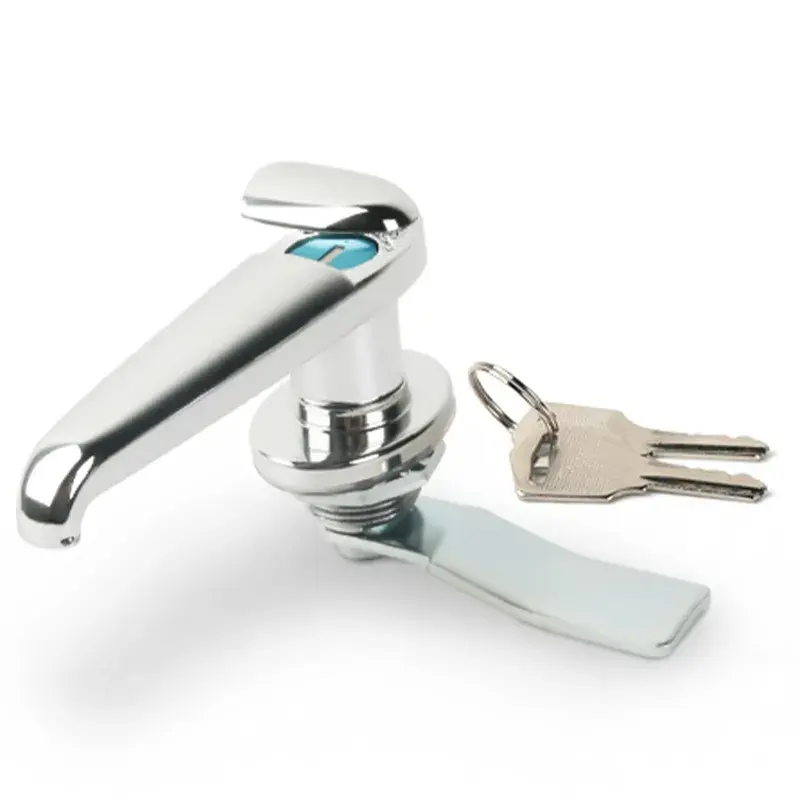
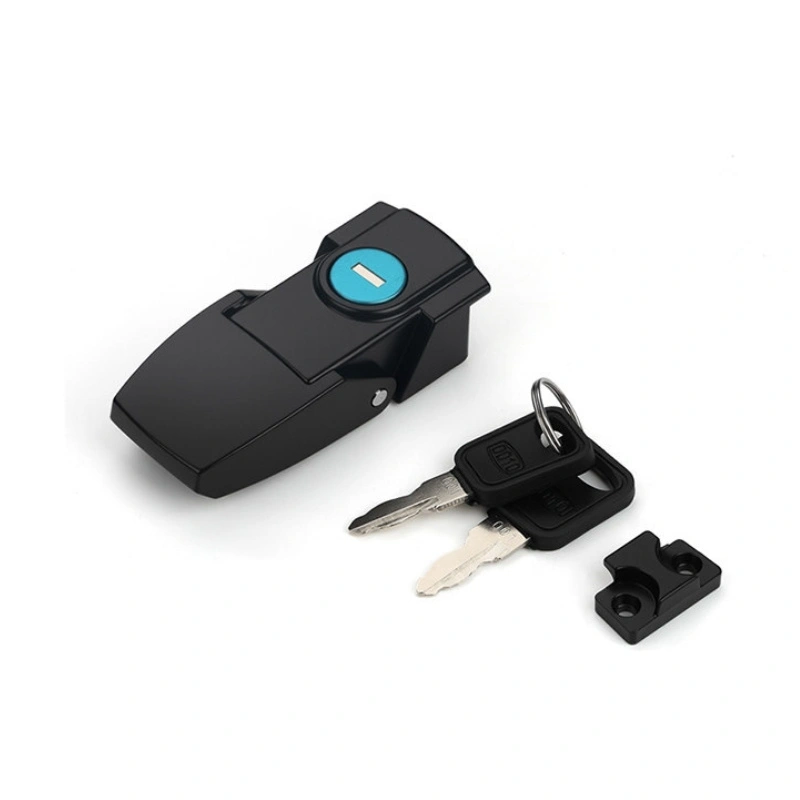
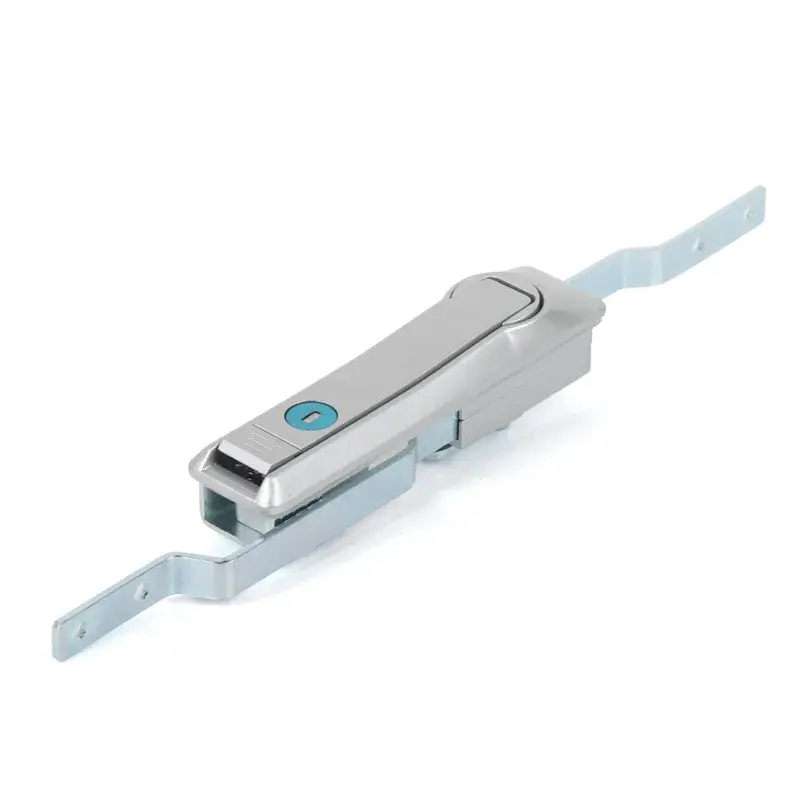
Yitai Lock Rotary Handle Lock secures industrial cabinets, control boxes and enclosures. Physical locks are the primary barrier for on-site security.Factories and facilities rely heavily on locks for access control. Its performance hinges on material, structure, cylinder and sealing. Industrial users now seek locks that balance safety and ease of use.


Why Tampering Resistance Matters More Than Ever

Unauthorized access remains one of the most common causes of equipment damage, operational interruption, and safety incidents.

Whether installed on electrical cabinets, control panels, network enclosures, or storage compartments, locks serve a critical purpose beyond simply keeping doors closed. They help ensure that sensitive equipment remains protected from accidental interference, intentional vandalism, and unauthorized entry.

A weak locking mechanism may appear functional under normal conditions but can quickly become vulnerable when subjected to prying tools, excessive force, or repeated attempts at manipulation.

For this reason, many facility managers are evaluating lock designs with a greater focus on structural security.

Common Security Challenges Faced by Cabinet Locks

Industrial and commercial environments often expose locking systems to a variety of threats:

- Forced opening attempts
- Prying using screwdrivers or metal bars
- Lock picking
- Corrosion from outdoor exposure
- Water ingress affecting internal mechanisms
- Frequent daily operation causing wear and tear

A lock designed only for basic access control may struggle under these conditions.

Modern security requirements demand a more comprehensive approach.

How a Handle Lock Enhances Security

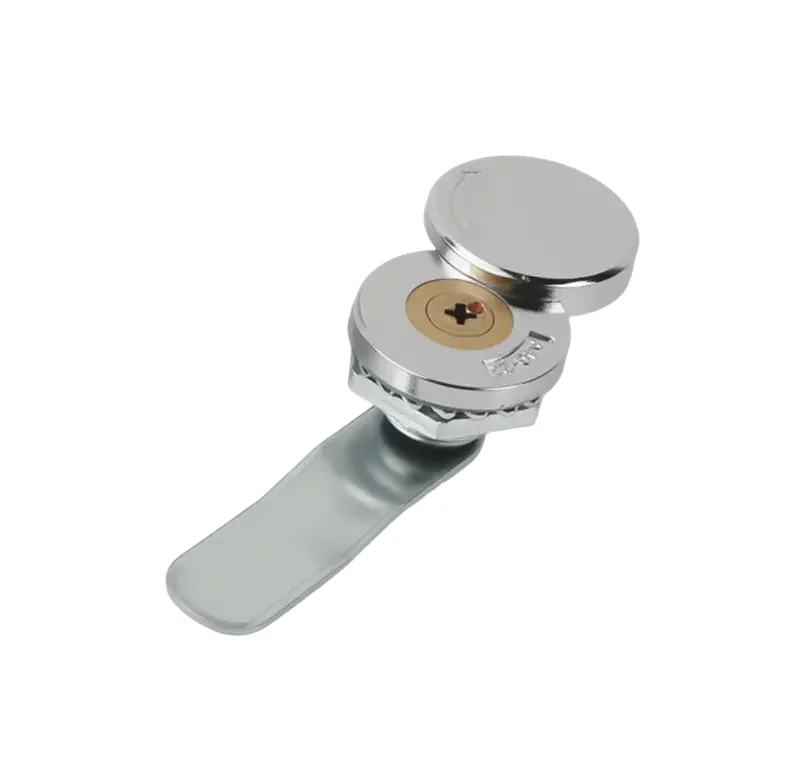
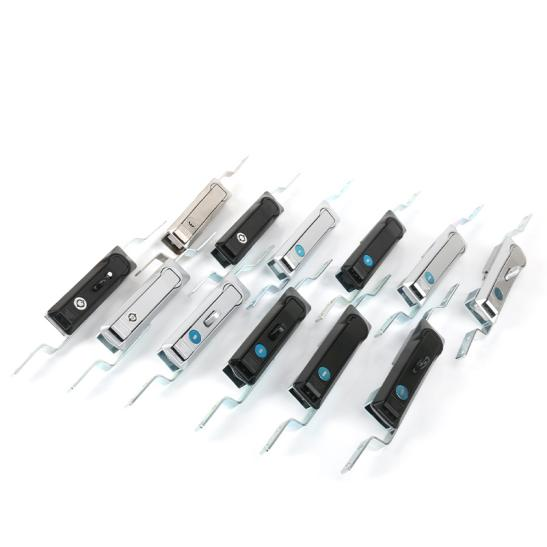
Unlike traditional cabinet latches, a Rotary Handle Lock combines locking and operating functions into a single mechanism.

The rotating handle activates the locking system while providing secure engagement between the cabinet door and frame. This design helps distribute force more effectively and reduces vulnerable points that could otherwise be targeted during tampering attempts.

The result is a locking solution that offers both convenience and enhanced protection.

Key Structural Features That Improve Resistance

Several design elements contribute to stronger tamper resistance.

1. Reinforced Lock Cylinder Construction

The lock cylinder remains the heart of any locking system.

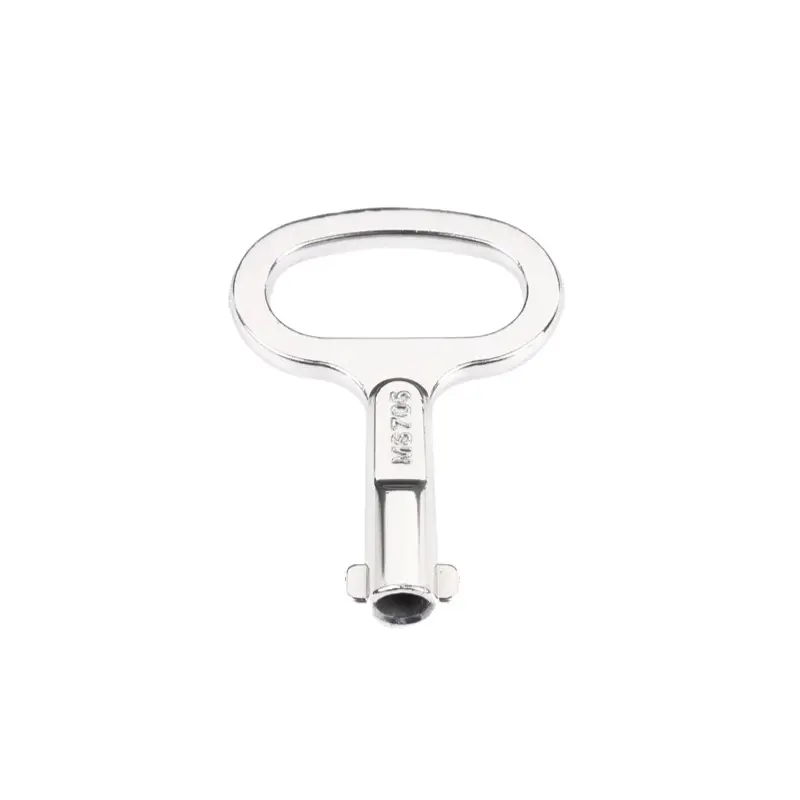
MS308 series locks utilize double-bit and crescent cylinder configurations that provide increased resistance against technical opening methods.

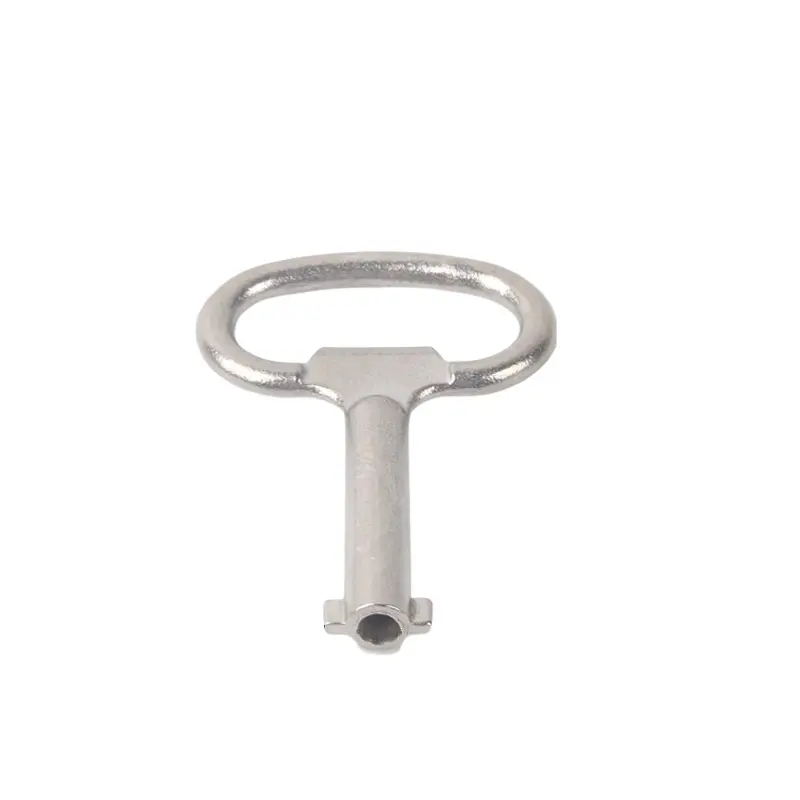
Certain models also support unique key systems, allowing individual access control and reducing the likelihood of unauthorized duplication.

2. Durable Metal Body Materials

Material selection significantly affects security performance.

The MS308 series is available in multiple material options:

Model Material Key Advantages Typical Environment
Zinc Alloy Cost-effective and durable Indoor industrial applications
Aluminum Alloy Lightweight and corrosion resistant Electrical cabinets and control boxes
Stainless Steel Superior corrosion and impact resistance Outdoor and harsh environments

A stronger housing helps reduce deformation during physical attacks and improves overall durability.

3. Optimized Internal Structure

Security is not always visible from the outside.

The internal mechanism of a lock plays an equally important role.

An optimized internal design can absorb impact forces more effectively, reducing the likelihood of failure during attempted forced entry.

This structural reinforcement helps maintain lock integrity even when subjected to repeated external pressure.

Can Prying Tools Defeat Modern Cabinet Locks?

Prying remains one of the most common attack methods used against cabinet doors and enclosures.

The effectiveness of such attacks depends on several factors:

- Door construction quality
- Frame strength
- Lock mounting method
- Lock body material
- Engagement depth of locking components

A properly installed lock with a reinforced structure can significantly increase the effort required to gain unauthorized access.

While no mechanical lock can claim absolute invulnerability, quality engineering can create substantial barriers that discourage tampering attempts.

Why Installation Quality Matters

Even the strongest lock cannot perform effectively if installed incorrectly.

Security specialists often emphasize that Rotary Handle Lock performance depends on both product design and proper installation practices.

Key recommendations include:

- Ensuring precise mounting alignment
- Using appropriate fastening hardware
- Inspecting cabinet frame integrity
- Performing routine maintenance checks

When these factors work together, overall protection improves considerably.

The Growing Importance of Weather Resistance

Security challenges are not limited to human interference.

Outdoor installations must also contend with environmental conditions that can gradually weaken lock performance.

Rain, humidity, dust, temperature fluctuations, and corrosive environments can all impact the reliability of locking systems.

Waterproof Design as a Security Feature

Many people view waterproofing primarily as a durability feature.

In reality, it is also a security feature.

Water intrusion can damage lock cylinders, create corrosion, and lead to mechanical failure. A compromised lock may become easier to manipulate or may fail to operate altogether.

The MS308 series incorporates specialized sealing structures designed to help maintain performance in wet environments.

This added protection supports long-term reliability across outdoor installations, utility cabinets, and exposed electrical equipment.

Security Is About More Than Just Locking

A common misconception is that stronger security always means more complexity.

In reality, effective security often comes from combining several practical features:

- Durable materials
- Reliable locking mechanisms
- Controlled key management
- Weather resistance
- Consistent manufacturing quality

When these elements are integrated into a single design, the result is a locking solution that supports both protection and ease of use.

Questions to Ask Before Choosing a Lock

Before selecting a cabinet locking solution, consider the following:

- What type of environment will the lock operate in?
- Is corrosion resistance required?
- Will the lock face frequent daily use?
- Is individual key control necessary?
- Does the application require waterproof protection?
- How important is resistance to prying and tampering?

Answering these questions can help identify the most suitable solution for a specific application.


A cabinet lock may appear simple, but its performance can have a significant impact on equipment safety, maintenance efficiency, and access control.

When evaluating whether a lock can resist tampering and prying, factors such as cylinder design, material strength, waterproof sealing, and structural engineering all deserve careful consideration.

For facilities seeking dependable cabinet protection, the MS308 Rotary Handle Lock series with Yitai Lock demonstrates how thoughtful design can help address real-world security challenges. Through continuous development in locking technologies, Zhejiang Yitai Lock Industry Co., Ltd. continues to contribute practical solutions for safer and more reliable equipment access management.

Related News
Leave me a message
X
We use cookies to offer you a better browsing experience, analyze site traffic and personalize content. By using this site, you agree to our use of cookies.Privacy Policy
RejectAccept