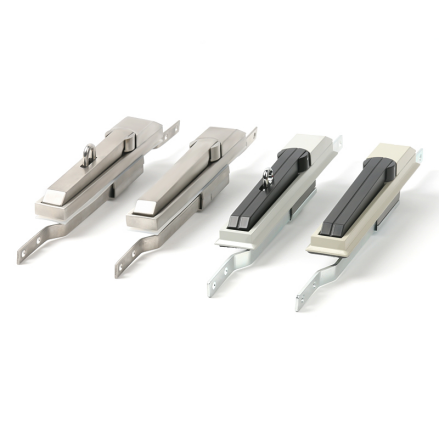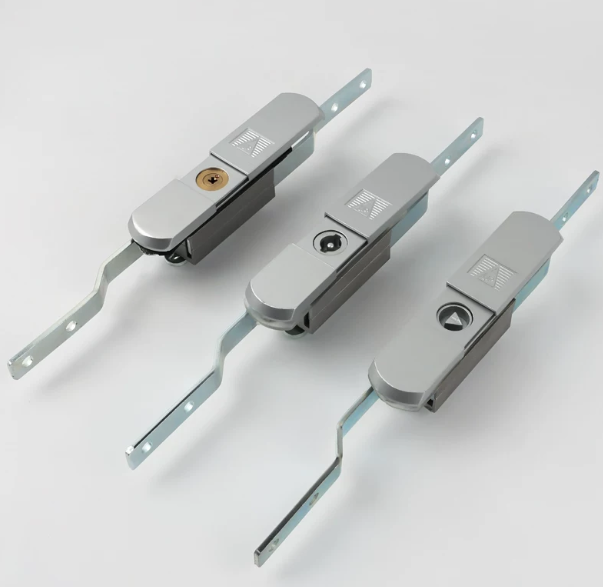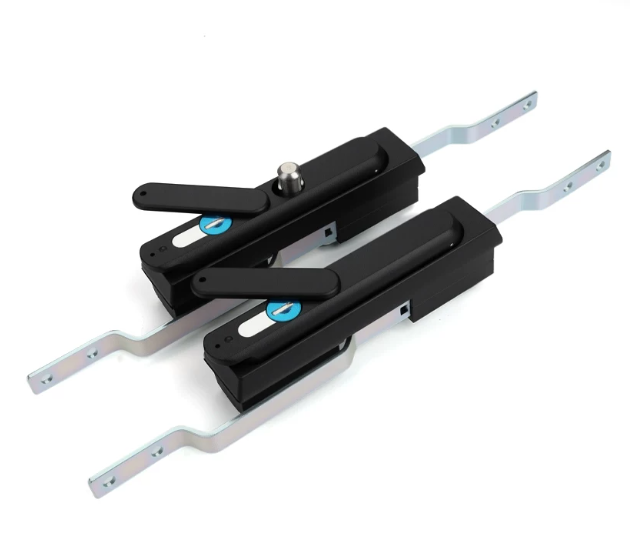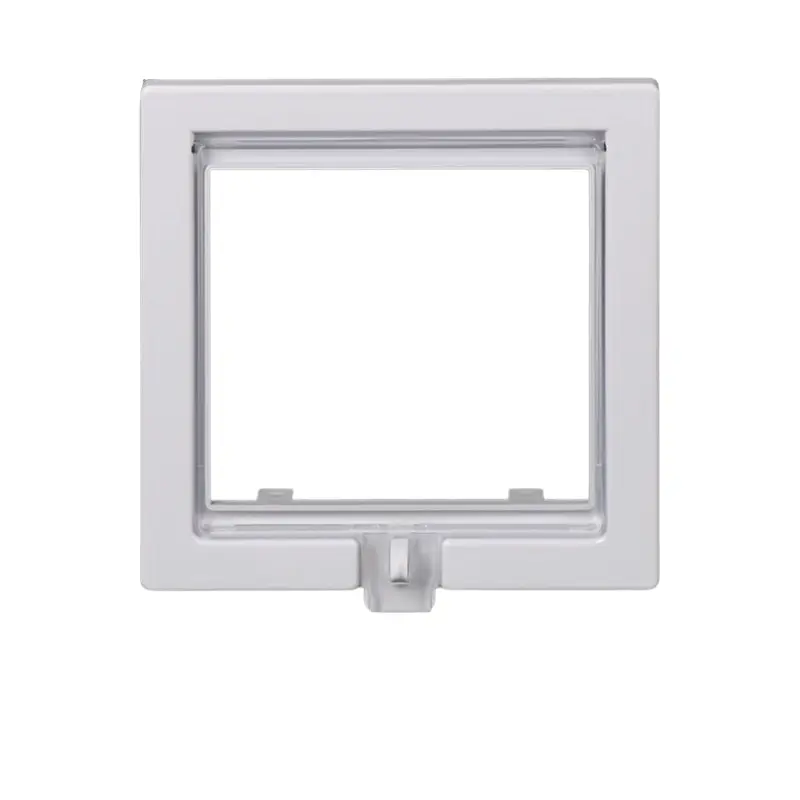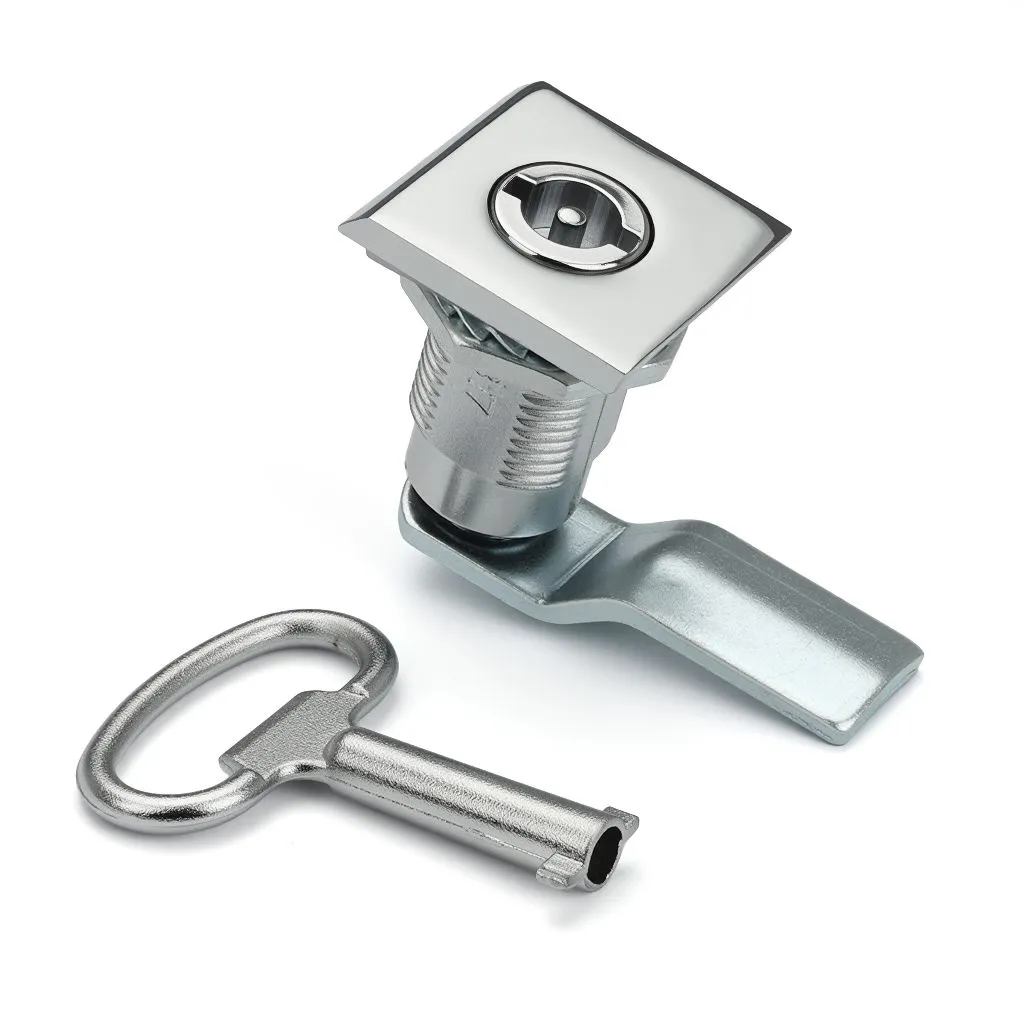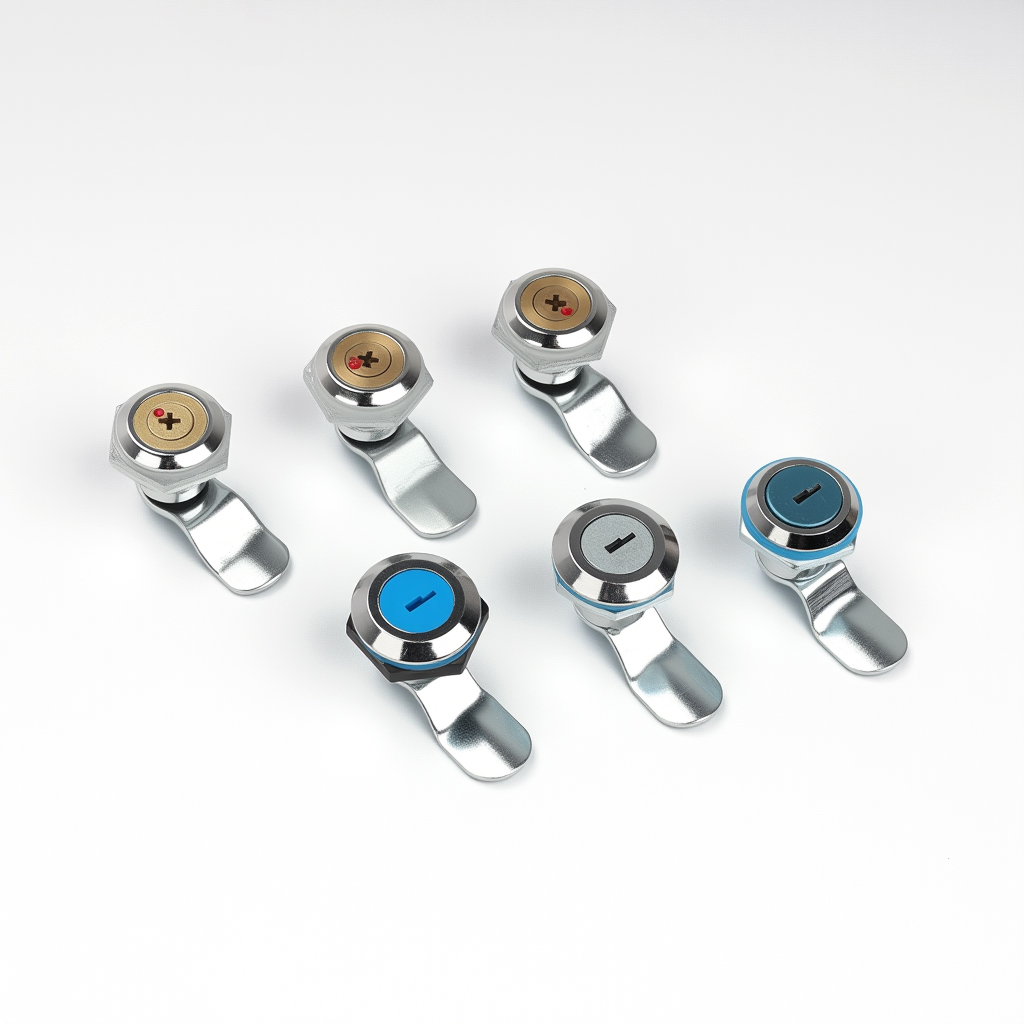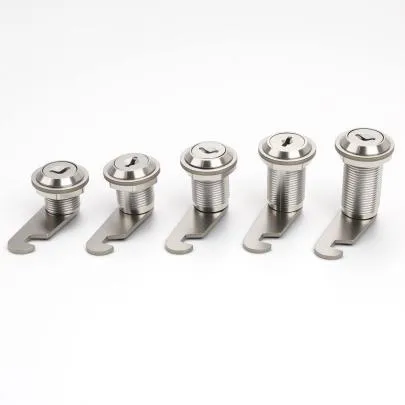
Most cabinet locks do one thing: keep the door closed. But for enclosures installed in dusty workshops, outdoor switchgear rooms, or environments where debris is a real concern, a standard lock body left exposed can become a maintenance problem over time. Yitailock produces a range of connecting rod locks with integrated dust covers — a small design detail that makes a noticeable difference in how the lock performs and how long it lasts.


The dust cover isn't just cosmetic. In environments like factory floors, roadside distribution cabinets, construction site boxes, and outdoor electrical enclosures, fine dust and debris work their way into exposed lock mechanisms and eventually cause stiffness, corrosion, or failure. A connecting rod lock with a fitted cover keeps the cylinder and moving parts protected between uses — which matters especially for locks that aren't operated every day and might sit closed for weeks at a time.
Beyond dust protection, the covered design also gives the lock a cleaner, more finished appearance on the cabinet face, which is why it shows up on switchgear panels and control cabinets where presentation carries some weight alongside function.
These locks are available in two main materials — zinc alloy and 304 stainless steel — and the choice mostly comes down to where the cabinet will be installed.
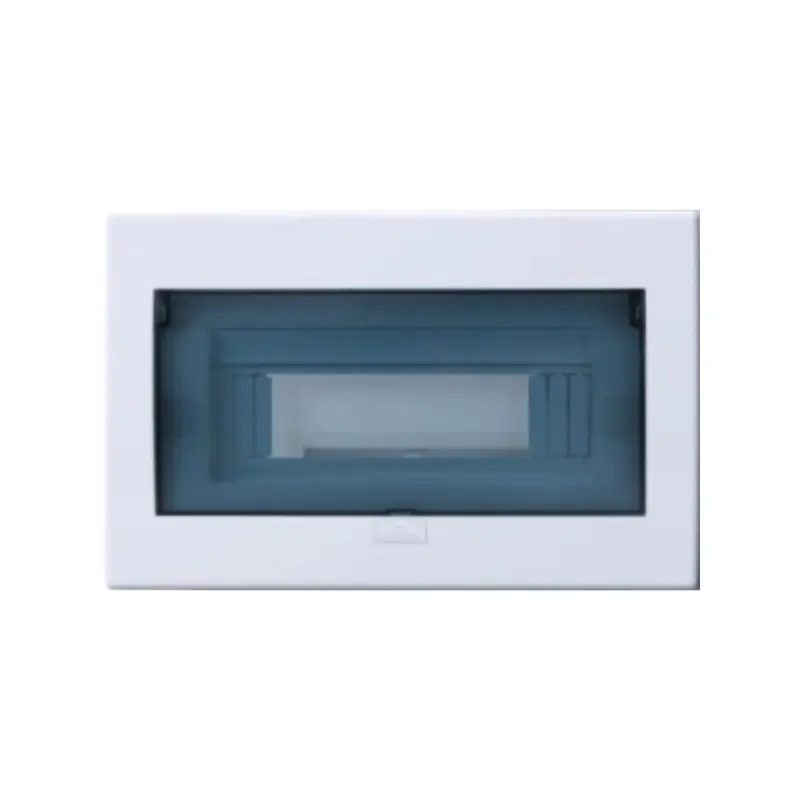
Zinc alloy handles indoor environments well. It's a practical choice for control cabinets, distribution panels, and enclosures that stay in stable, covered conditions. The finish holds up fine under normal workshop conditions and the weight feels solid without being heavy.
304 stainless steel is worth the step up for anything outdoor, semi-exposed, or in high-humidity environments. 304 stainless steel is the better pick for outdoor installations or anywhere that deals with regular moisture. It handles those conditions without the surface degradation you'd eventually see on zinc alloy over time.
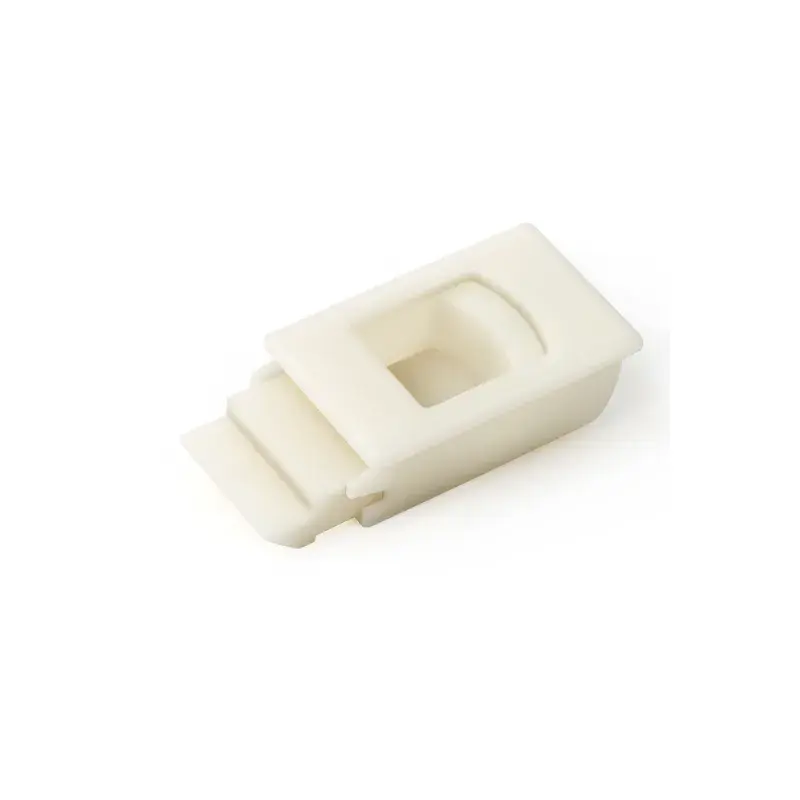
For tighter budgets, there's also a black reinforced nylon version. It's not built for demanding environments, but for lighter indoor applications where cost is the deciding factor, it gets the job done. It's not as heavy-duty as the metal options, but it works well for lighter-duty indoor applications where the priority is function over longevity.
Like most connecting rod locks in this range, these come with interchangeable cylinder options — triangle, square, double-bit, and wafer are the common choices. If you're fitting multiple cabinets in the same facility, standardizing on one cylinder type means one key covers everything, which simplifies access management considerably.
If the cabinet is going somewhere clean and indoors, a standard lock does the job fine. But for anything exposed to dust, debris, or the elements, a connecting rod lock with a dust cover is a straightforward upgrade that reduces maintenance and keeps the mechanism running cleanly over time. Matching the material to the environment and the cylinder to whatever key system is already in use covers most of what you need to get the selection right.