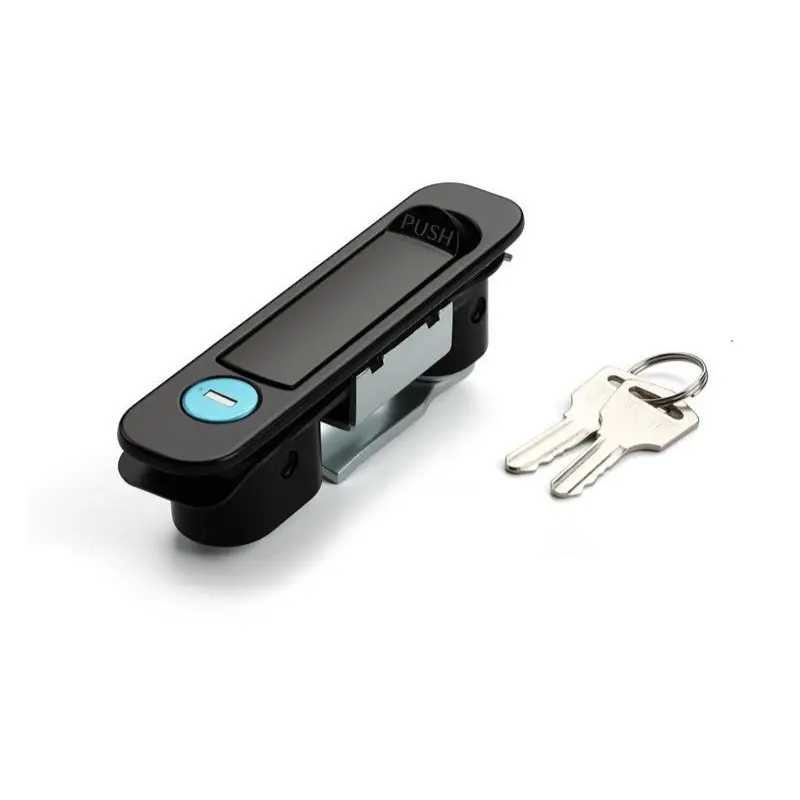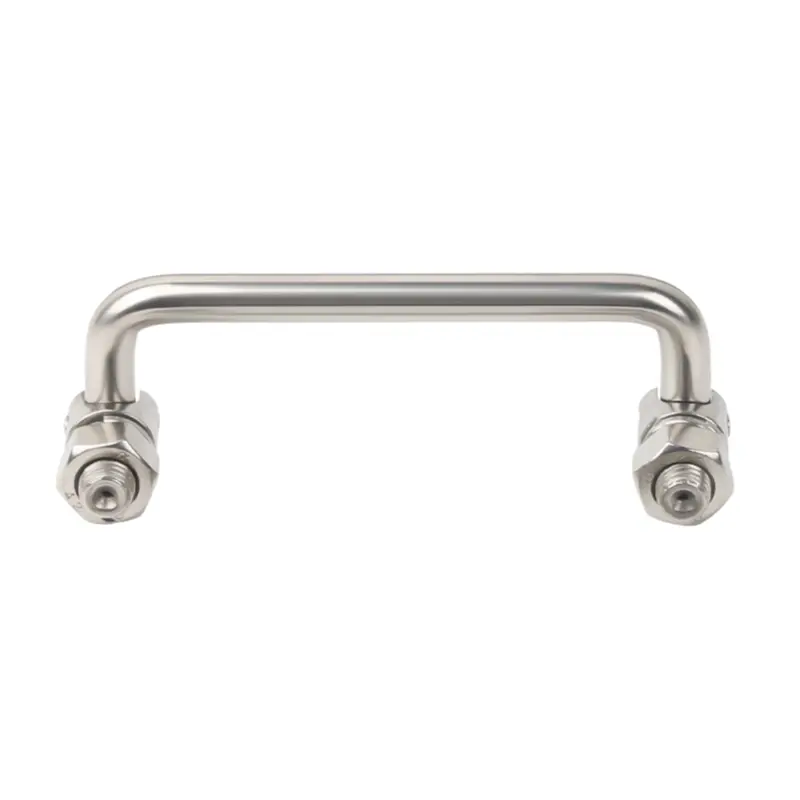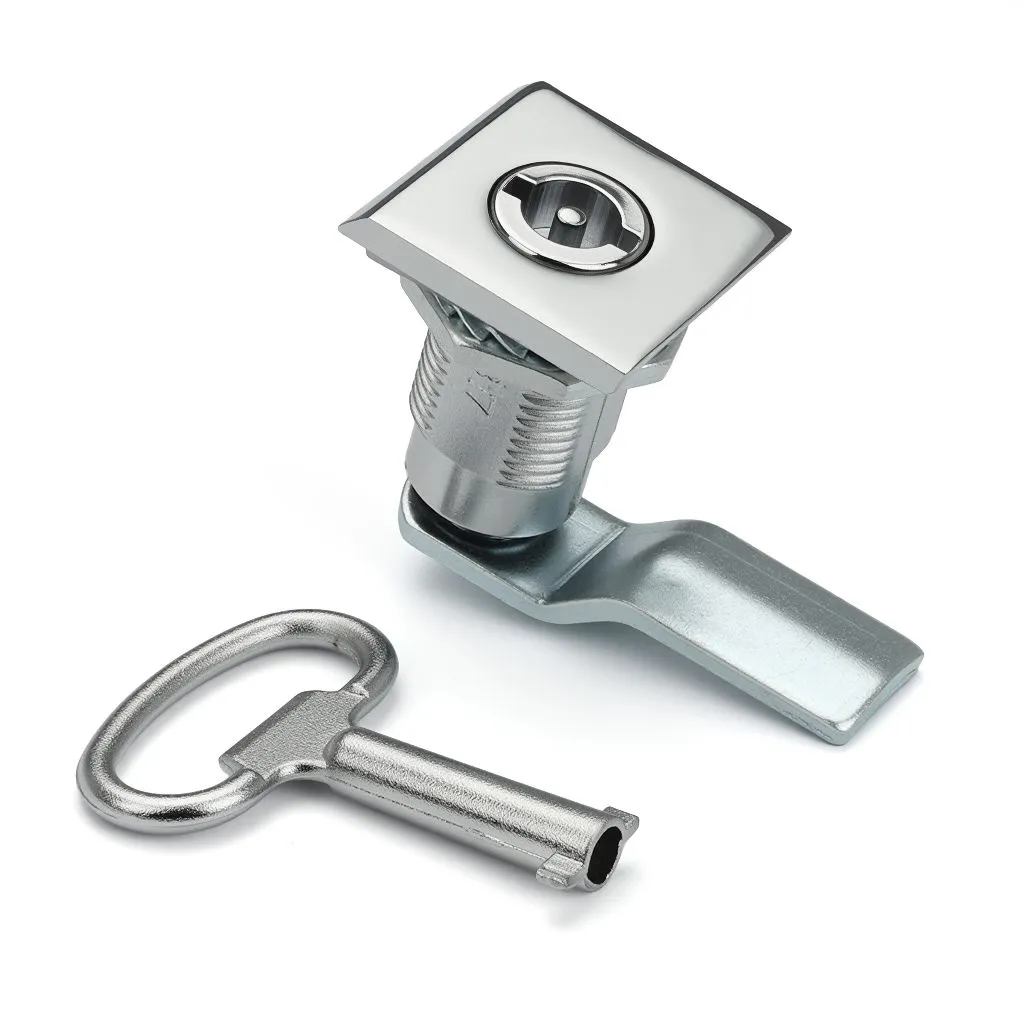
Not every client comes in ready to trust a new supplier — and honestly, that's fair. Yitailock recently wrapped up a second custom latch lock order for a client in Nigeria, and getting to that second order had a bit of a backstory.

When they first got in touch, they mentioned upfront that a previous custom order with another Chinese supplier hadn't gone well. Miscommunication on specs, mold charges they weren't expecting, and a final product that didn't match what was agreed. By the time they came to us, they were willing to pay for a good product — but understandably cautious about the process. They were willing to invest in a quality product but weren't prepared to take on mold costs given what they'd been through.
We took that seriously. On the first order, we worked around their concerns and kept the process as straightforward as possible. Clearly it went well enough, because they came back — and this second custom latch lock order is the result of that.
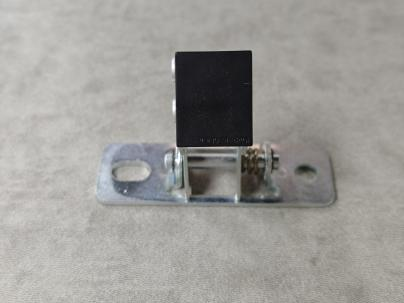
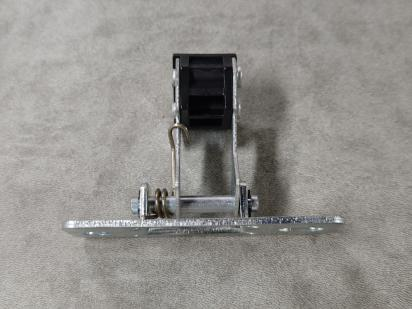
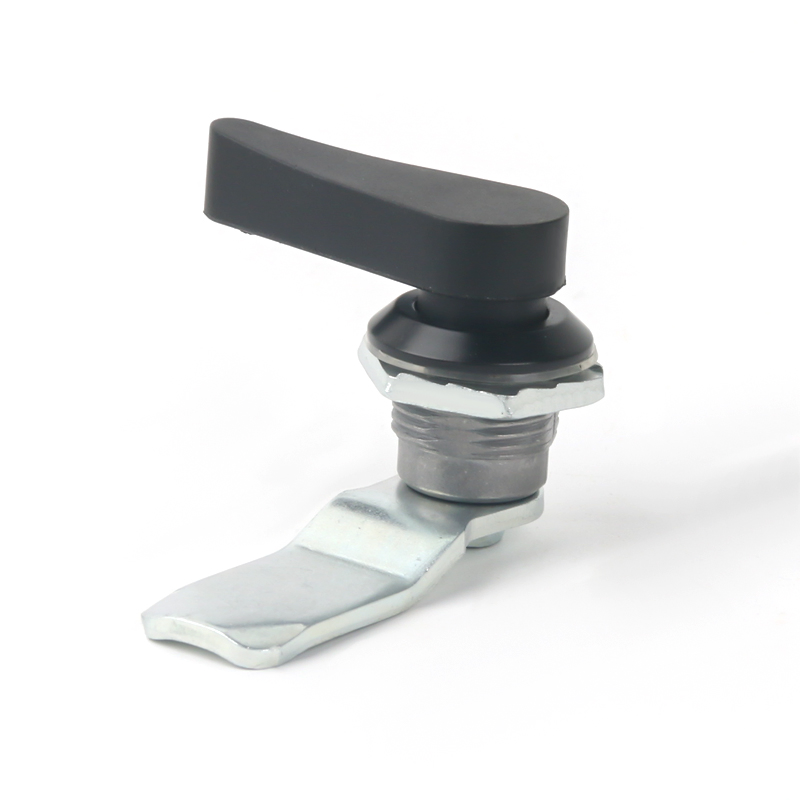
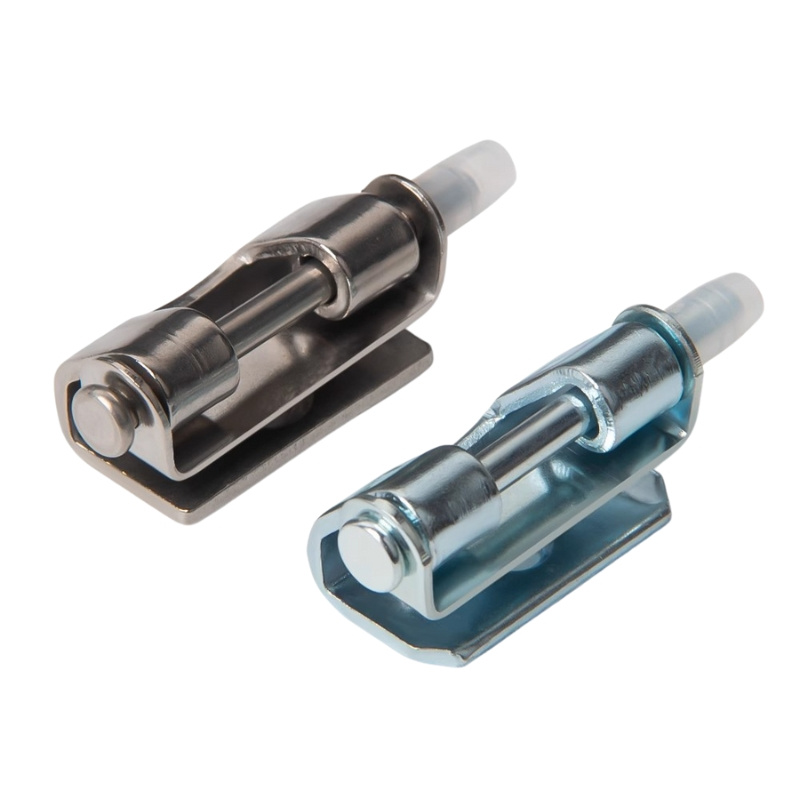
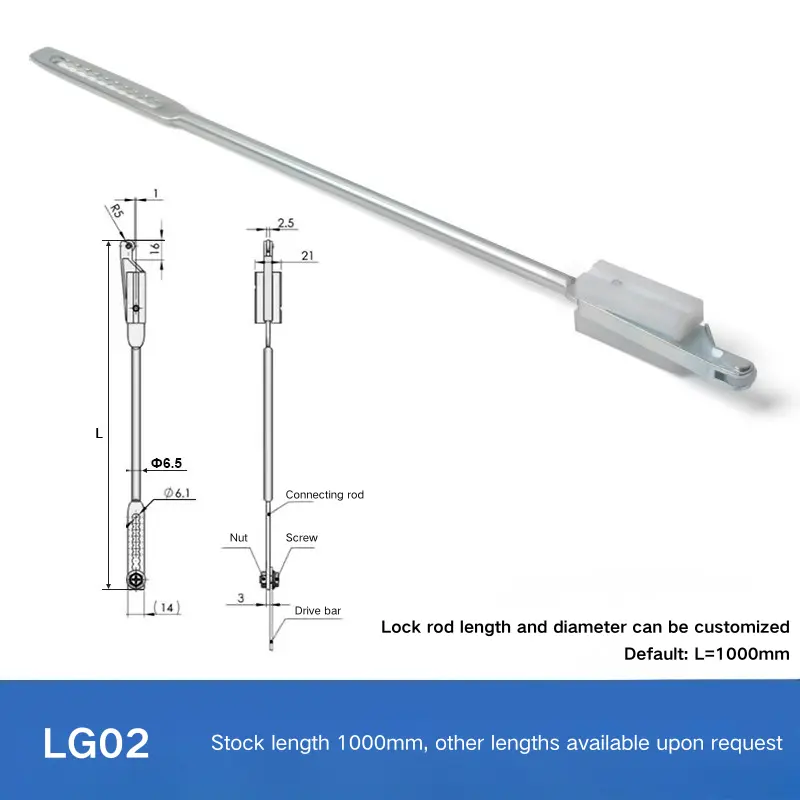
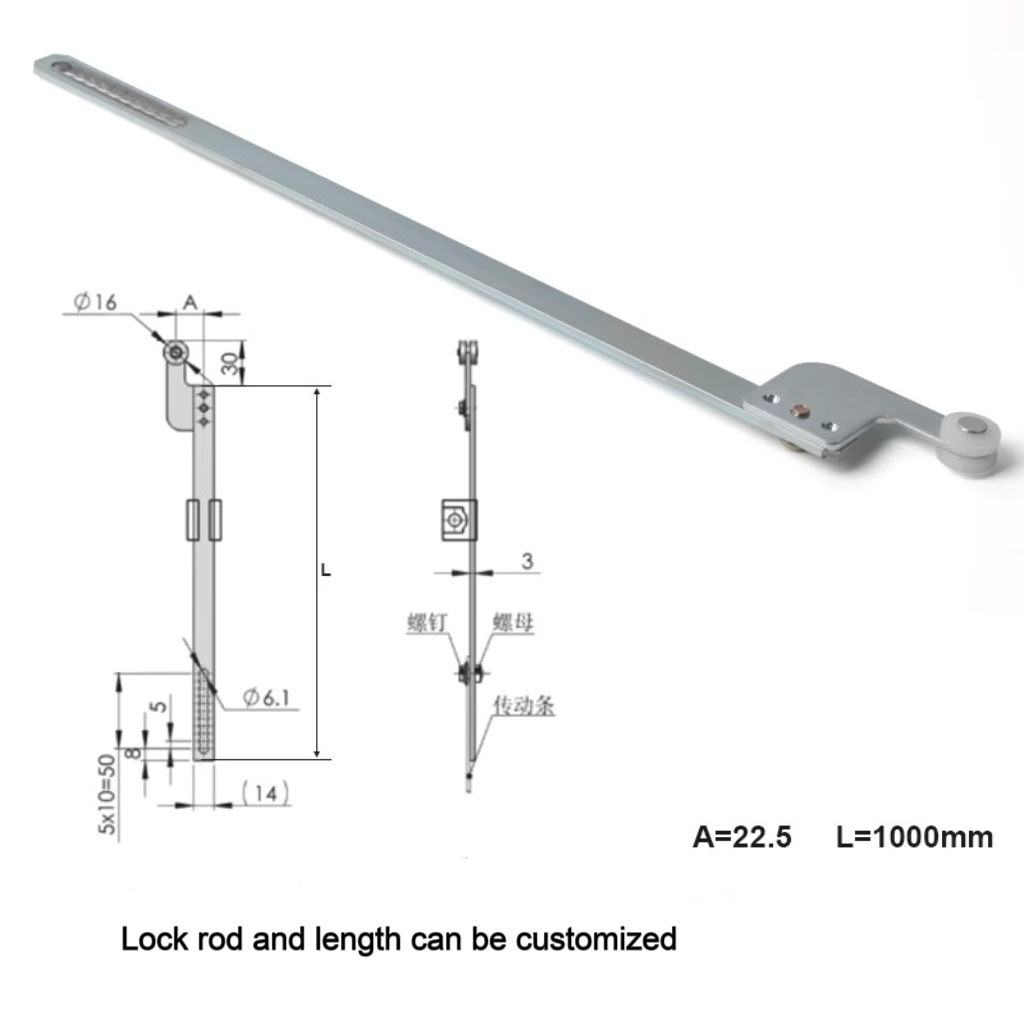
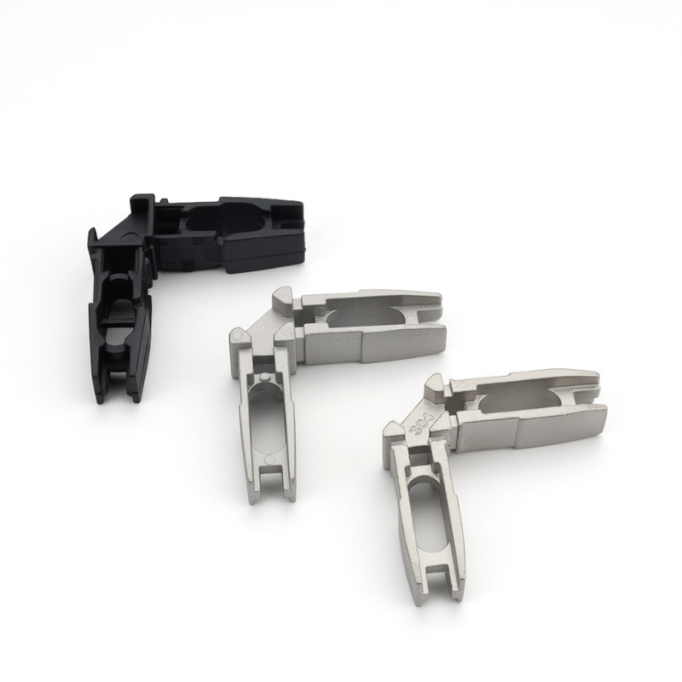
The latch is made from iron and plastic, with specific dimensions and functional details adjusted to fit the client's enclosure design. The mold — which belongs to Yitailock — is stamped with "Made in China," which the client was fully aware of and comfortable with. Having the tooling in-house meant we could move through sampling and production without the delays or added costs that come with third-party molds.
Samples were reviewed and signed off before full production began. The finished latch locks were inspected, packed, and prepared for shipment to Nigeria. Nothing unusual in the process — but that's partly the point. For a client who'd previously dealt with unreliable suppliers, a smooth and predictable experience was exactly what was needed to build some trust.
If standard hardware doesn't quite fit your enclosure design — whether the issue is size, material, or a specific functional requirement — custom production is often more accessible than people expect. For clients who are cautious about mold costs or have had mixed experiences before, we're happy to talk through what's realistic and find an approach that works.