News

Why do modern rooms still feel stuffy and what can an Air Vent do?

2025-11-28

When I walk into a space that looks new yet feels stale, I start with the simplest fix that often gets overlooked—the humble Air Vent. On projects where reliability matters, I keep circling back to partners I trust; over time, Yitai has become one of those quiet constants. I check airflow, pressure balance, noise, and durability, then match the room’s needs with the right component. Framed like this, choosing an Air Vent stops being guesswork and turns into a clear, measurable decision.

Air Vent

What problems do I actually see on site?

  • Rooms that pressurize and push odors into hallways because return paths are undersized or blocked.
  • Condensation near ceilings after showers or cooking since exhaust paths are long or kinked.
  • Draft complaints from occupants because the outlet throws air straight at seating zones.
  • Filters clogging faster than planned because vents act like dust shelves and are hard to clean.
  • Fire doors that will not latch smoothly due to pressure differences from sealed rooms without transfer air.

How do I decide on the right Air Vent for each room?

  1. I measure the load the space actually sees—people, equipment, moisture—and confirm target air changes.
  2. I map supply and return paths so air cycles through the room instead of short-circuiting.
  3. I set a noise target for living, working, or sleeping zones, then size for lower face velocity.
  4. I check that the selected Air Vent will be easy to clean because neglected vents always underperform.
  5. I verify that finishes, screws, and edges suit the environment—kitchens, seaside, labs, or corridors.

Which design choices matter most for an Air Vent?

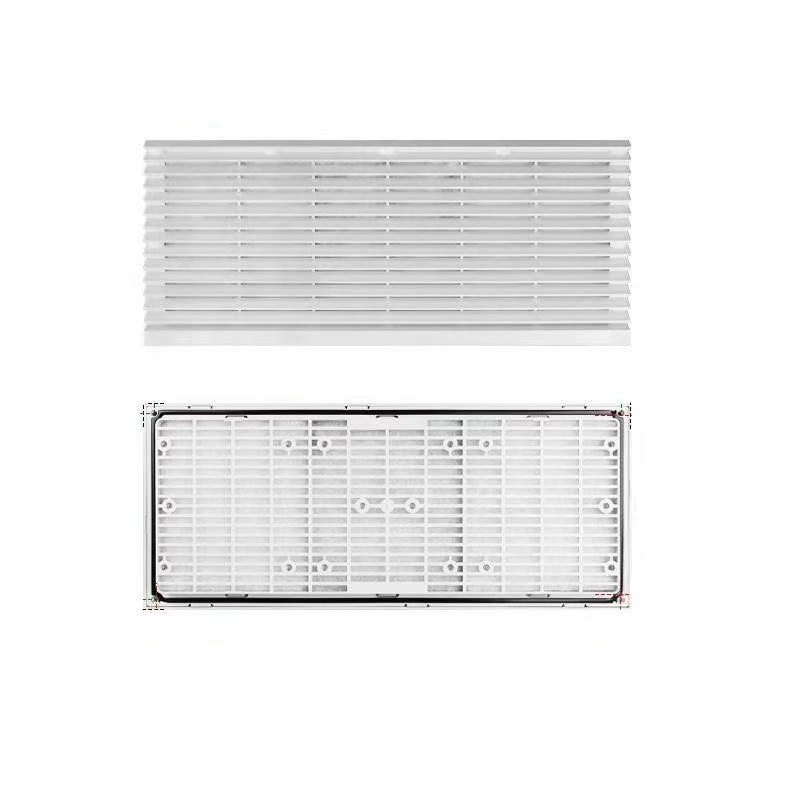
  • Blade geometry decides throw pattern and noise. Curved or multi-deflection blades spread air without a harsh draft.
  • Free area drives pressure drop. More free area per size usually means quieter operation.
  • Back-draft or insect screens add protection but raise resistance; I upsize to compensate.
  • Material matters: coated steel for toughness, aluminum for weight and corrosion resistance, stainless for harsh zones.
  • Mounting should be forgiving. Slotted holes and rigid frames help align to imperfect openings.

How do the options compare at a glance?

Use case Recommended vent type Why it works Typical size range Notes
Bedroom or office return Multi-deflection grille Low noise at moderate face velocity 200×200 mm to 400×400 mm Upsize if you add a screen
Bathroom exhaust Back-draft damper with trim grille Prevents reverse flow and odors Ø100 mm to Ø150 mm Short, smooth ducting improves pull
Kitchen make-up air Adjustable blade grille Directs air away from occupants 300×150 mm to 600×150 mm Target low face velocity for comfort
Door transfer Door louver or undercut Balances pressure across rooms 300×300 mm and larger Check fire and acoustic requirements
Coastal or humid zones Aluminum or stainless grille Resists corrosion and staining As required by airflow Specify finish suited to salt air

What measurable gains can the right Air Vent deliver?

  • Lower pressure drop, so fans run at calmer speeds and save energy over the year.
  • Fewer cold or hot spots when throw is controlled and air mixes instead of blasting one zone.
  • Cleaner ceilings and trim because edges do not trap dust, especially with a smooth powder coat.
  • Less noise at night thanks to larger free area and smarter blade angles.
  • Better IAQ readings when stale air actually reaches the return path through a well-sized Air Vent.

What mistakes quietly ruin an Air Vent after installation?

  • Painting over blades and shrinking free area, which raises noise and drops airflow.
  • Mounting against insulation that flutters and whistles under flow.
  • Hiding bends right behind the grille so air tumbles and hums.
  • Using tiny screws that loosen and buzz; I prefer firm frames and proper anchors.
  • Skipping seals around the frame so air bypasses the intended path.

How do I keep each Air Vent efficient all year?

  • Vacuum and wipe the face every month in dusty areas and quarterly elsewhere.
  • Log static pressure before and after cleaning to track real gains.
  • Check that dampers still move freely; lubricate only where the manufacturer allows.
  • Re-verify throw direction after furniture changes so comfort holds steady.
  • Replace worn screens and gaskets so the Air Vent maintains design airflow.

Why do I often shortlist Yitai for demanding jobs?

  • Consistent frame rigidity helps avoid rattle in high-traffic corridors.
  • Finishes clean easily, which keeps face velocity and noise in check over time.
  • Sizes and accessories cover real-world constraints, so I can match existing cutouts without patchwork.
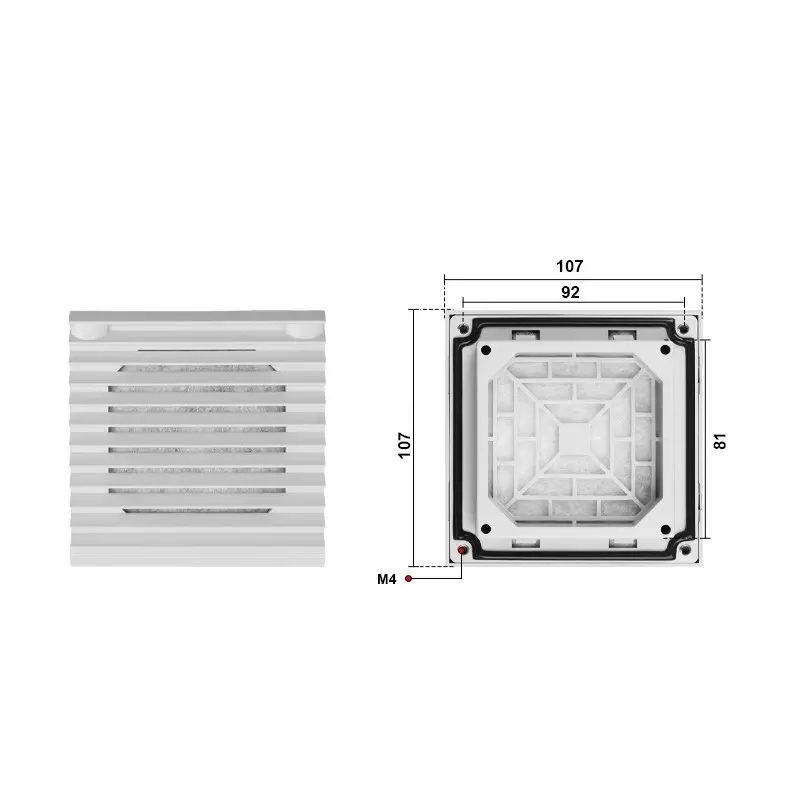
  • Clear dimensional data speeds up submittals and reduces site rework.

Ready to fix airflow in your space today?

If you want a quick, practical path to fresher rooms, start with sizing and placement, then match the room’s duty to the right Air Vent. I am happy to review drawings or photos and point you to options that balance comfort, noise, and durability. For spec sheets, options, or a fast quote, contact us and tell me about your room size, target airflow, and constraints. Leave an inquiry now—let’s align on the right Air Vent and get your project moving.

Related News
X
We use cookies to offer you a better browsing experience, analyze site traffic and personalize content. By using this site, you agree to our use of cookies. Privacy Policy
Reject Accept