Products
Weld-On Parliament Pivot Hinge
  • Weld-On Parliament Pivot HingeWeld-On Parliament Pivot Hinge
  • Weld-On Parliament Pivot HingeWeld-On Parliament Pivot Hinge
  • Weld-On Parliament Pivot HingeWeld-On Parliament Pivot Hinge
  • Weld-On Parliament Pivot HingeWeld-On Parliament Pivot Hinge
  • Weld-On Parliament Pivot HingeWeld-On Parliament Pivot Hinge

Weld-On Parliament Pivot Hinge

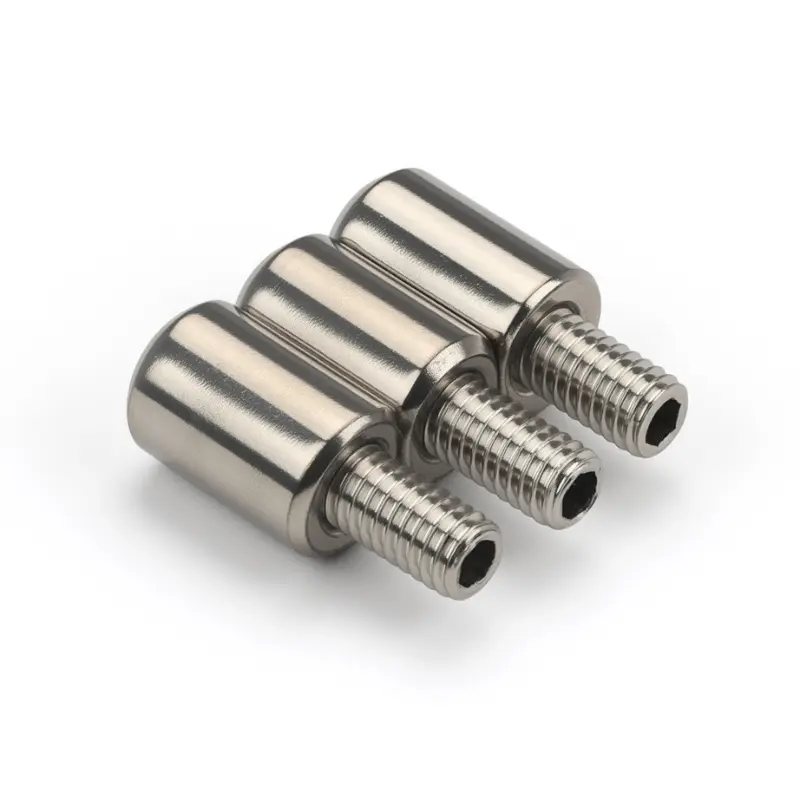
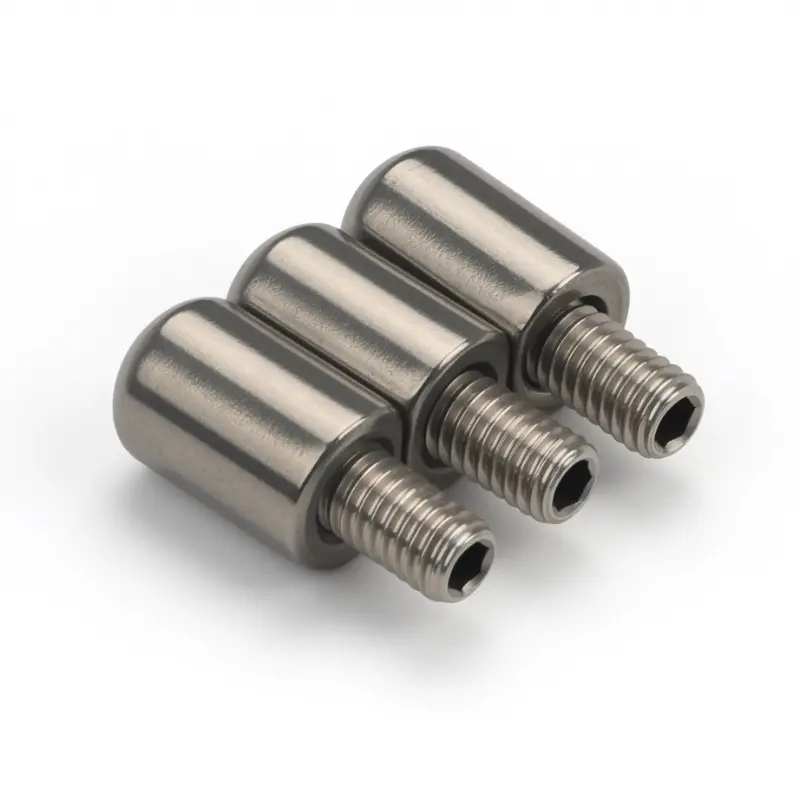
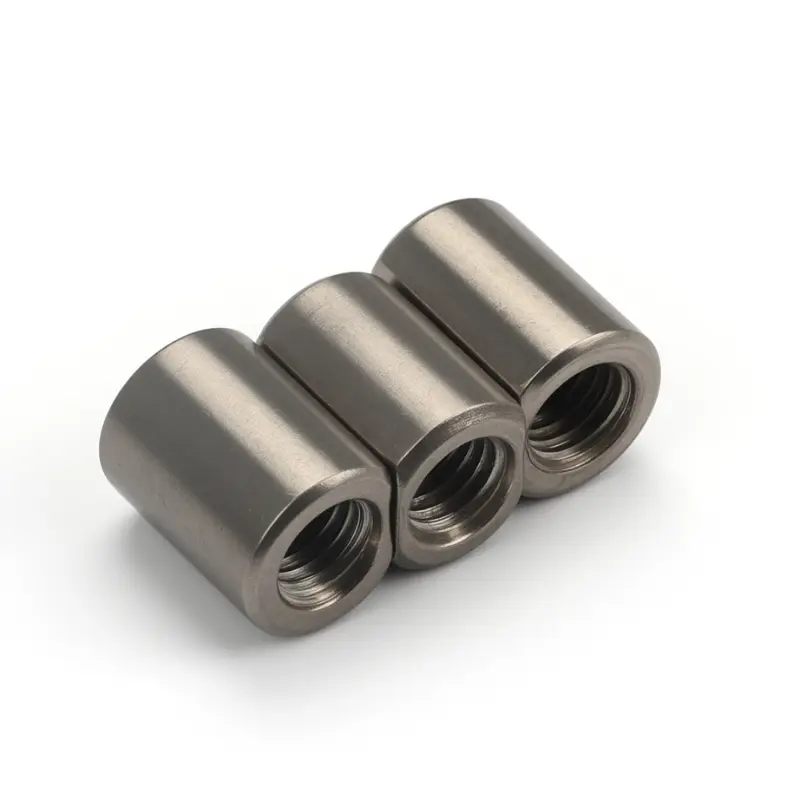
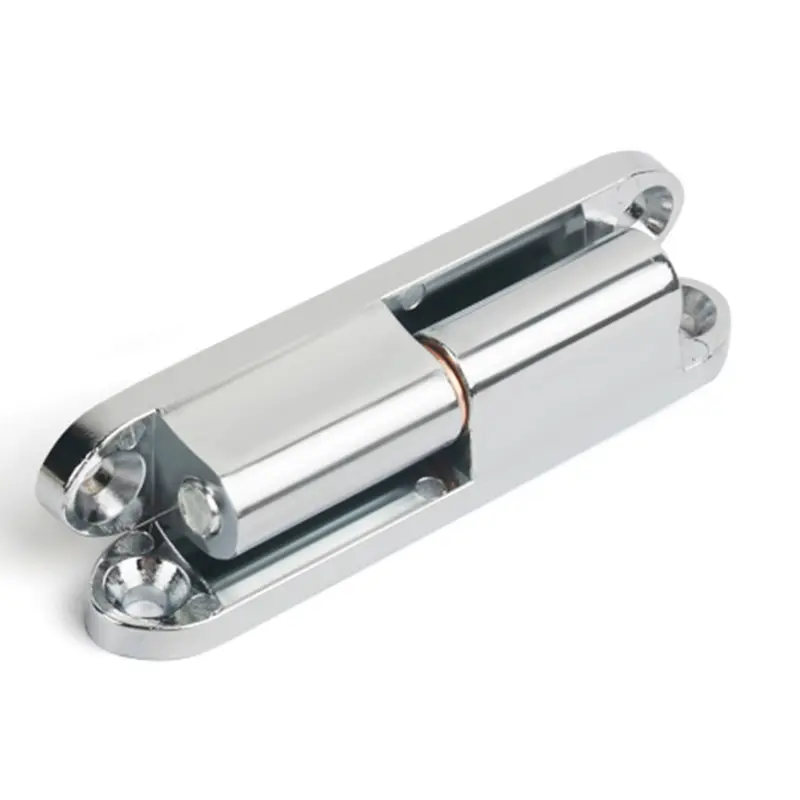
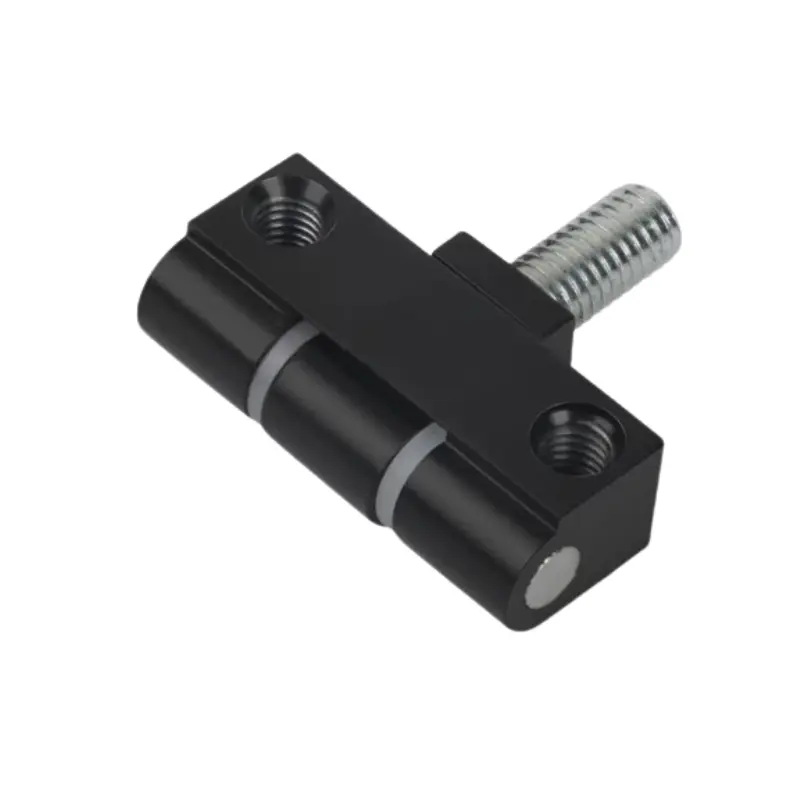
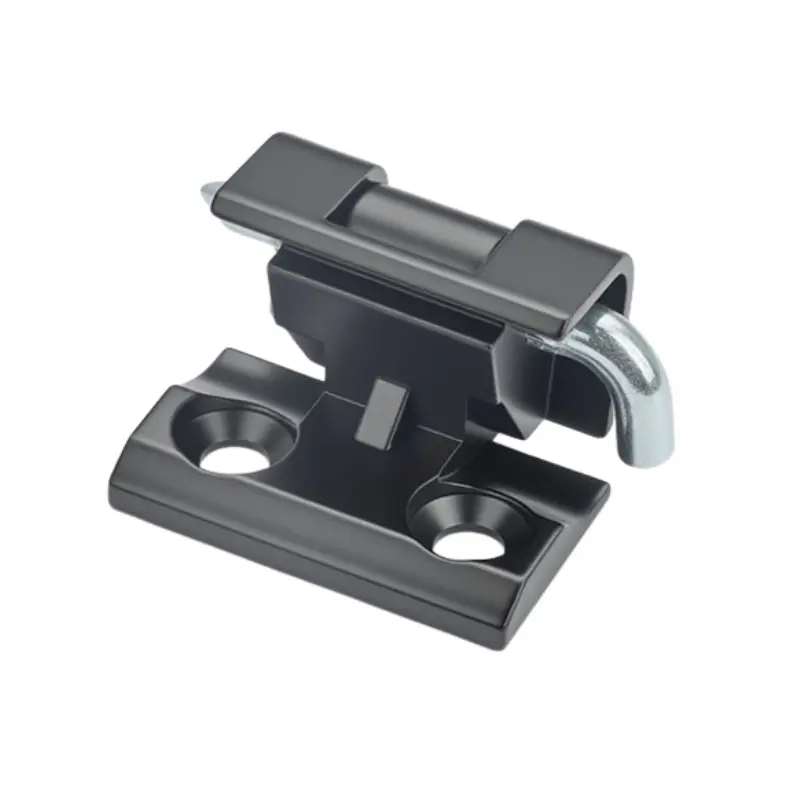
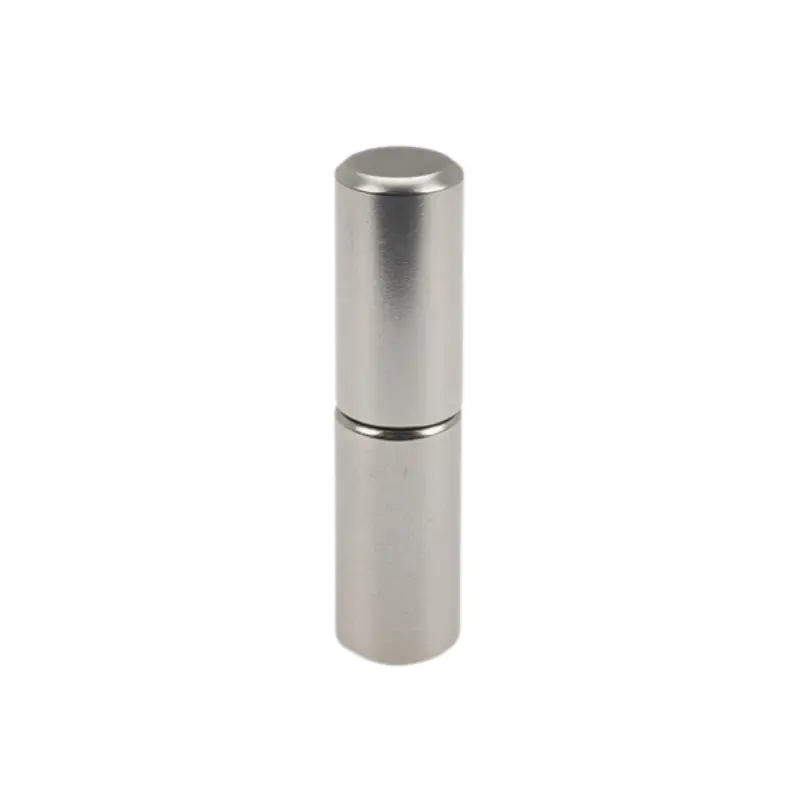
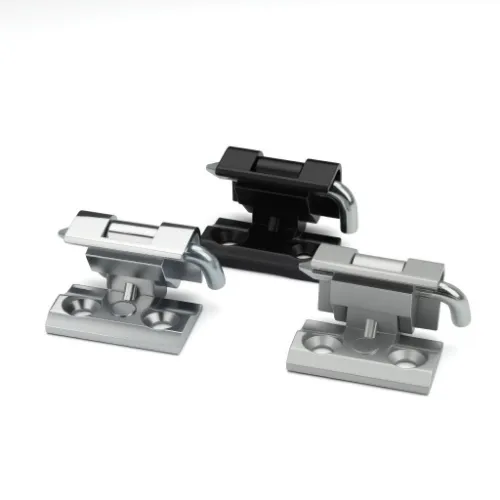
If you're looking to buy a pivot hinge for power cabinet doors, distribution enclosures, or industrial panel doors, the Weld-On Parliament Pivot Hinge from Yitai Lock is a three-section stainless steel hinge available in M6 and M8 thread sizes, in both 201 and 304 stainless steel with a vibratory polish finish. The hinge mounts by threading into the door panel and frame, secured by welding, and the triple-section barrel design distributes the door load across three knuckles rather than one or two — a practical detail on heavier power cabinet doors that see frequent use.
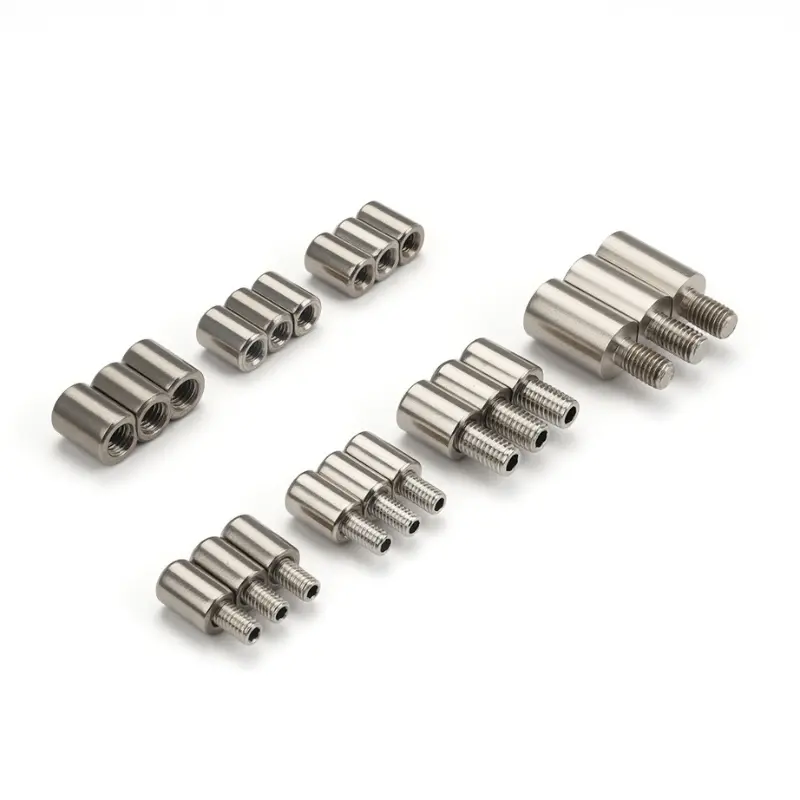
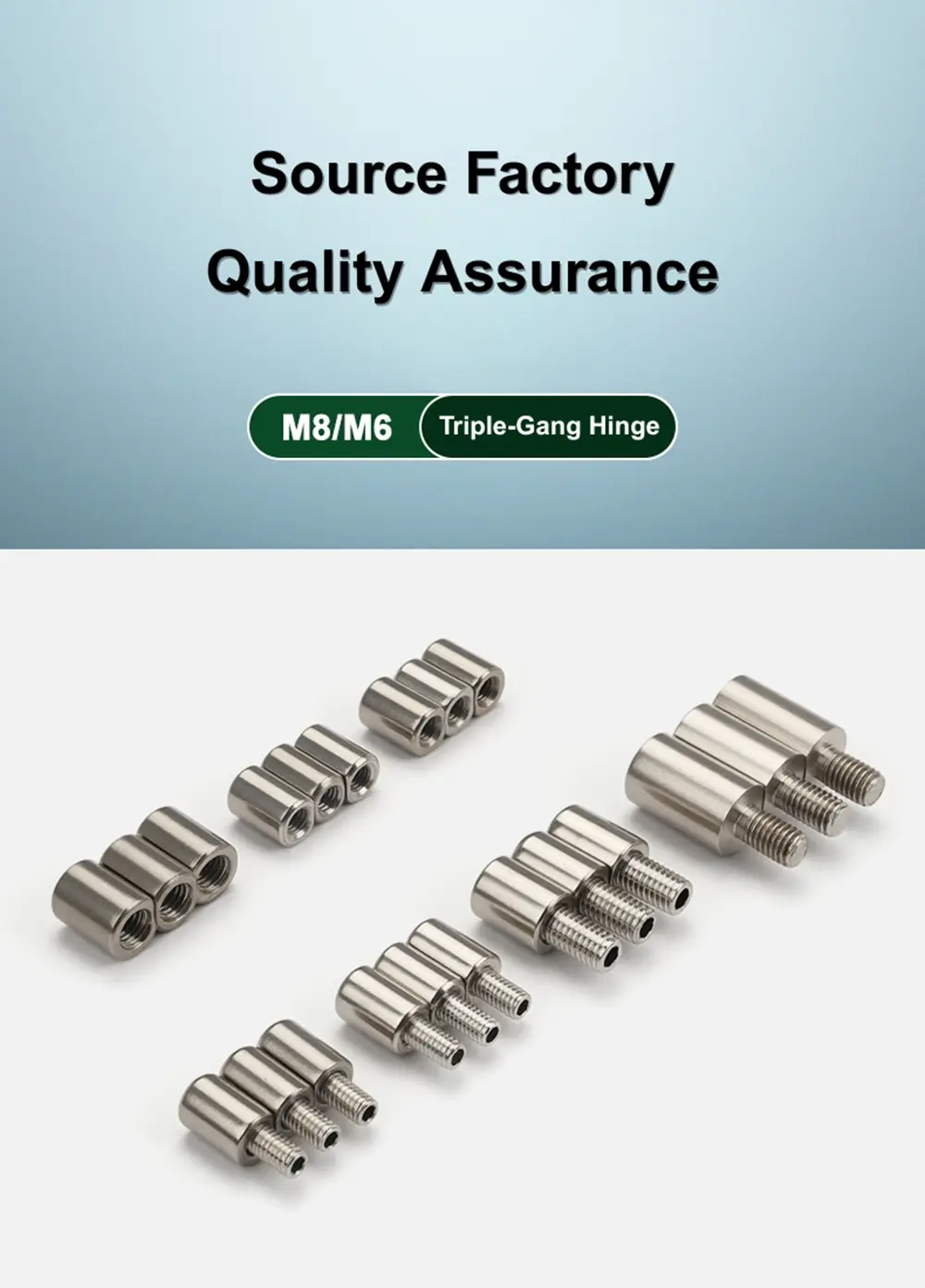
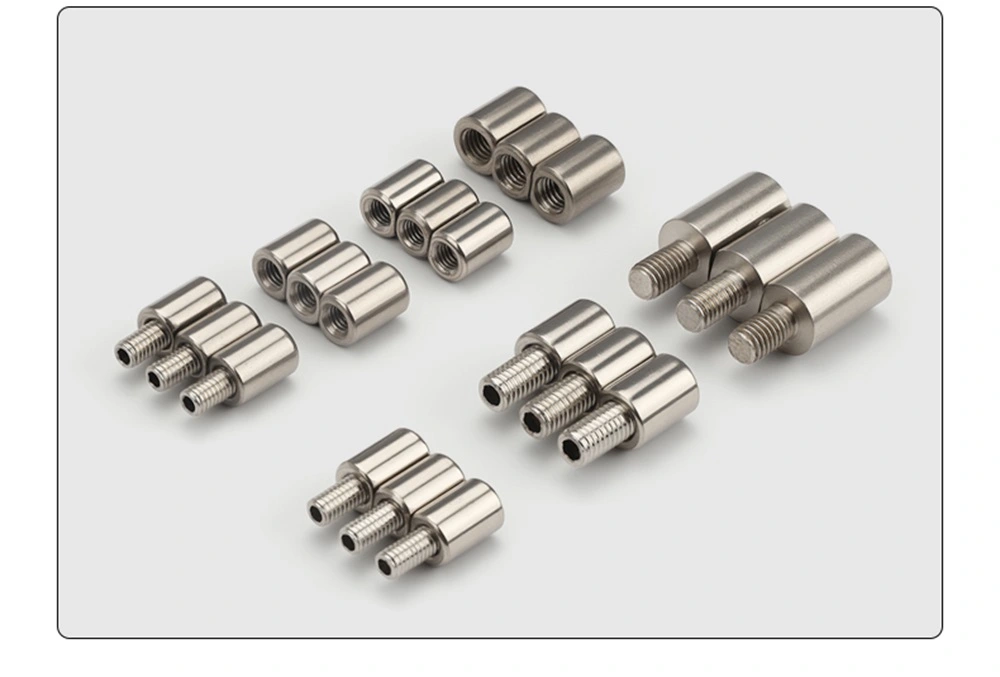
For those wholesale sourcing panel door hinges from Yitai Lock, the Weld-On Parliament Pivot Hinge comes in eleven variants covering internal and external thread types, M6 and M8 sizes, integrated and detachable pin configurations, and both 201 and 304 stainless steel. The integrated type has a fixed pin suited to permanent installations; the detachable type features a side-exit pin that can be pulled out to remove the door without tools, which is the more common choice for enclosures that need periodic door removal during maintenance or installation.
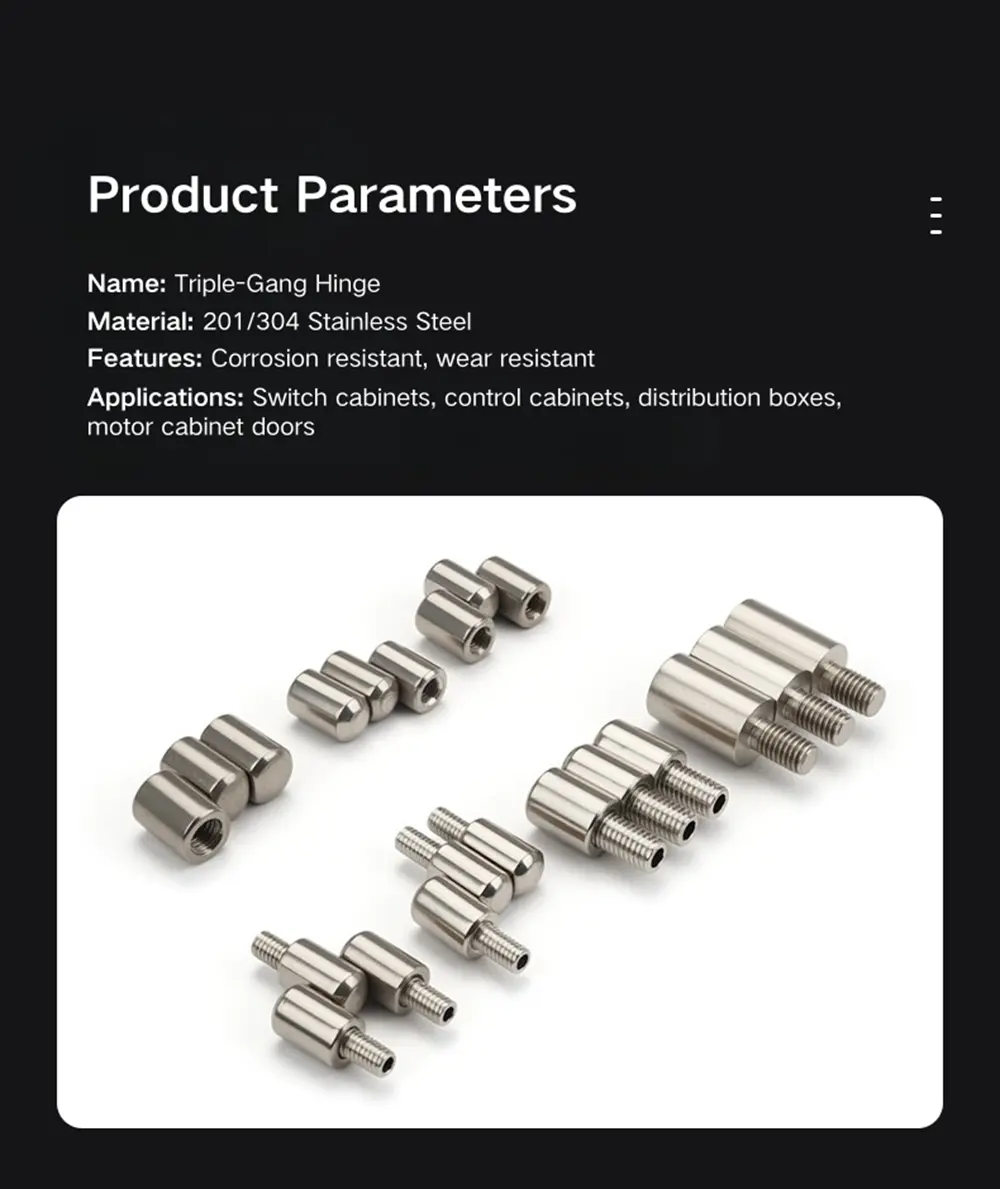
Product model M8/10/12/14/16 Surface Hinge
Material Iron/201 Stainless Steel/304 Stainless Steel
can choose colour Stainless Steel/Black
Usage Suitable for various types of switch cabinets, control boxes, etc

Model Options and Thread Types

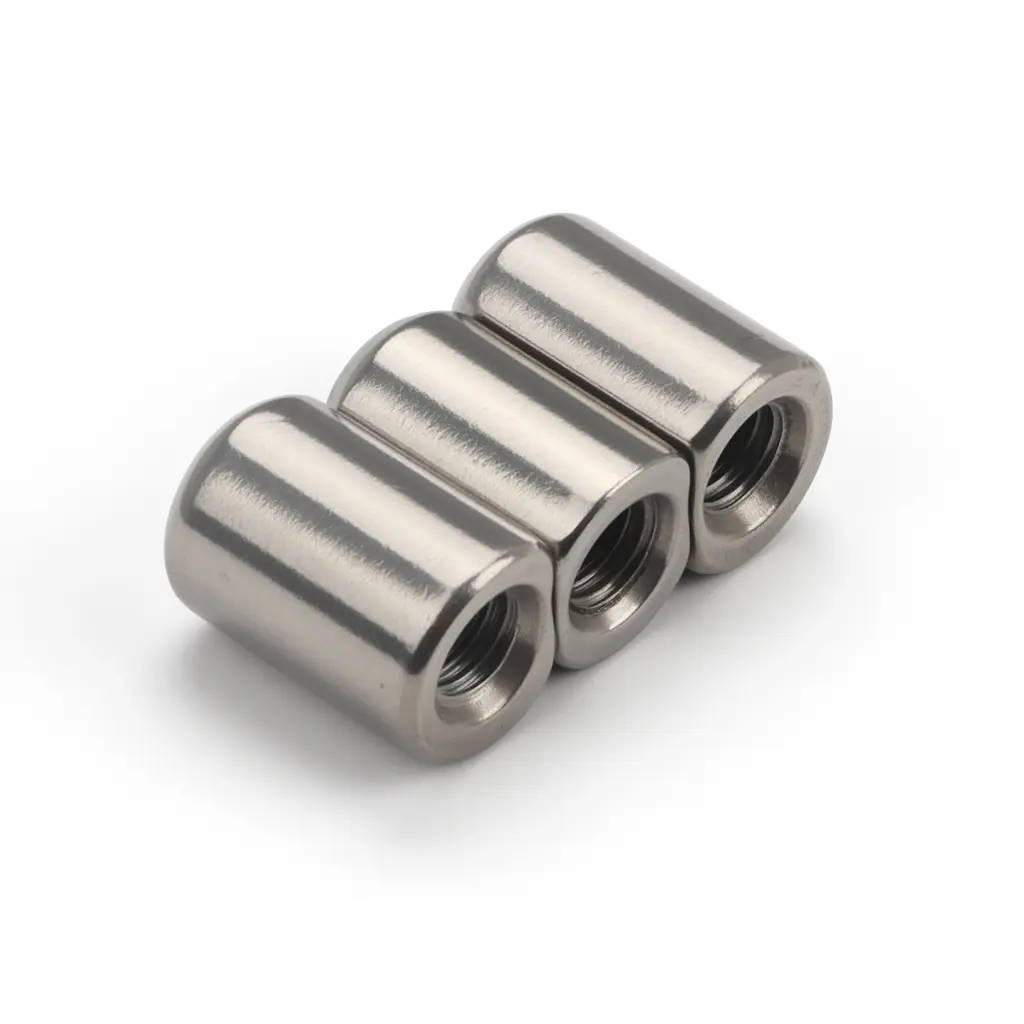
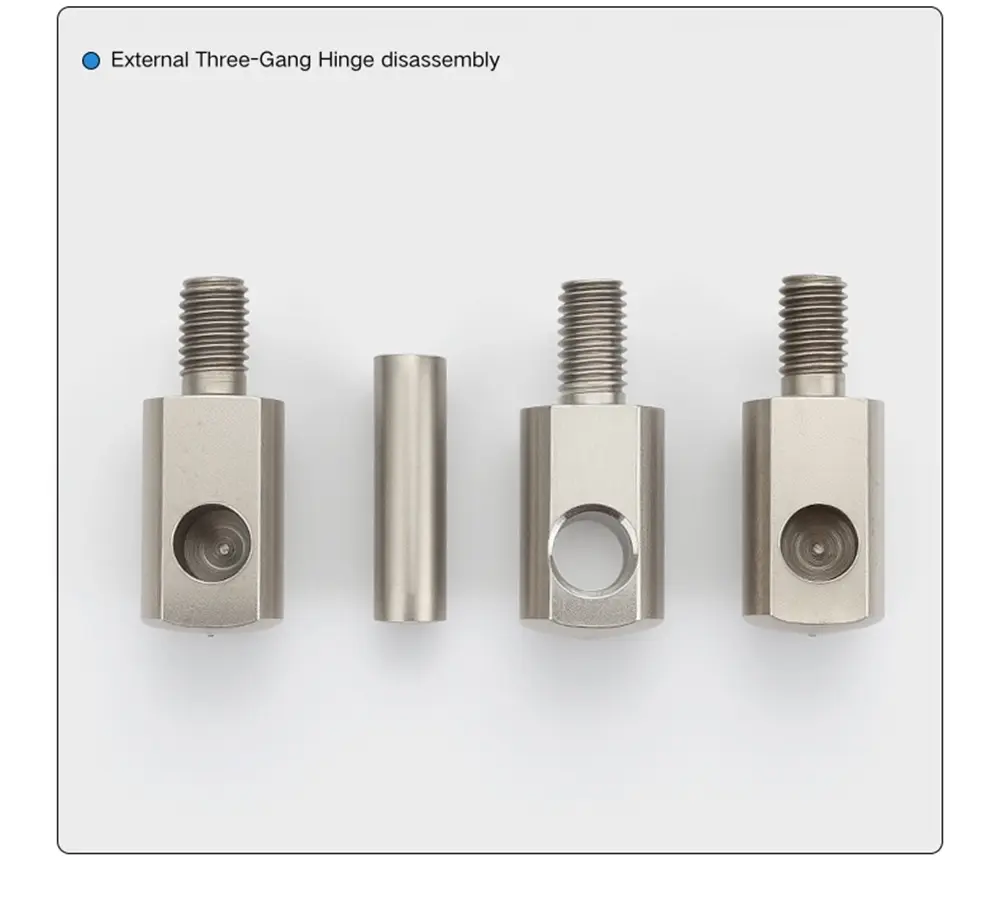
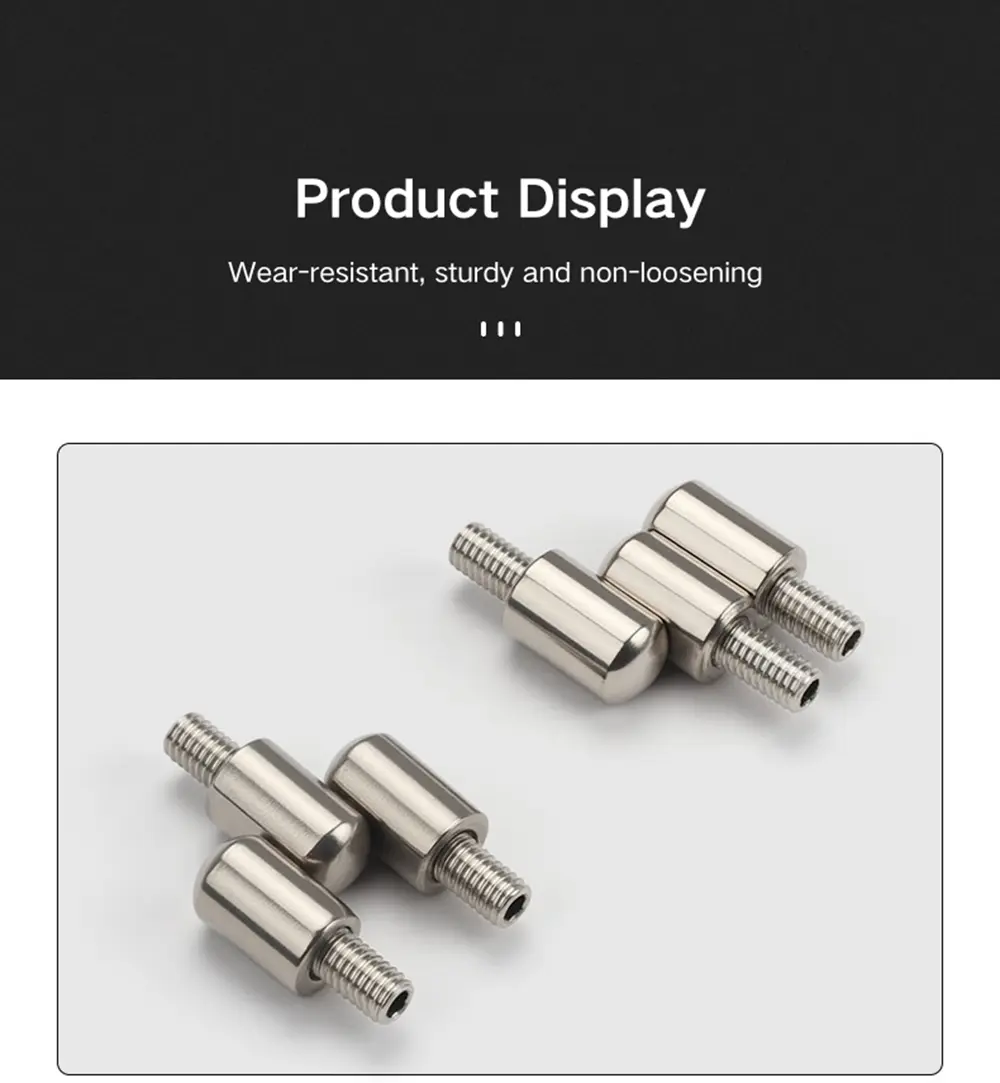
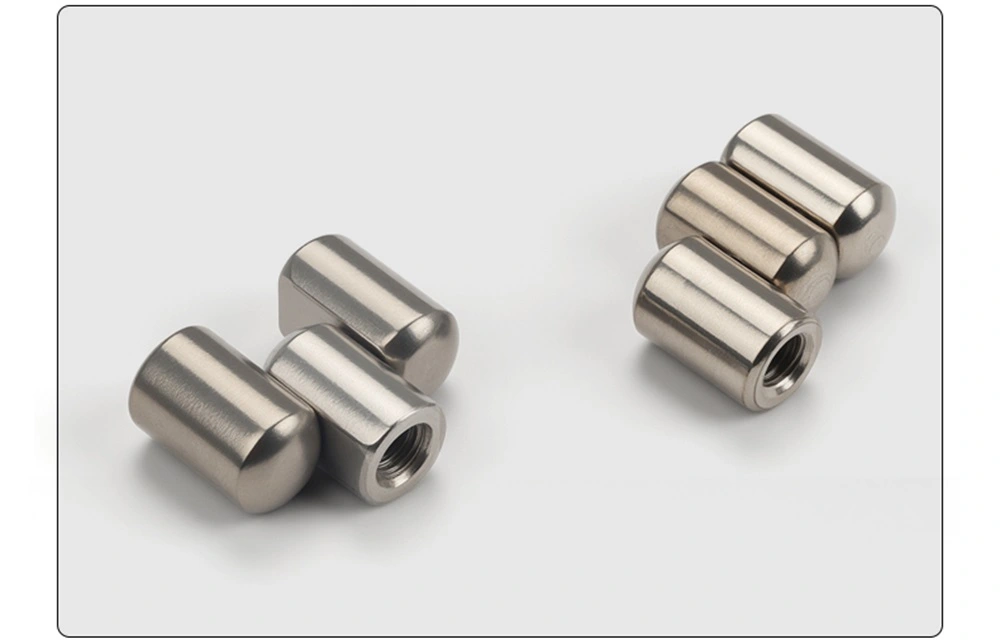
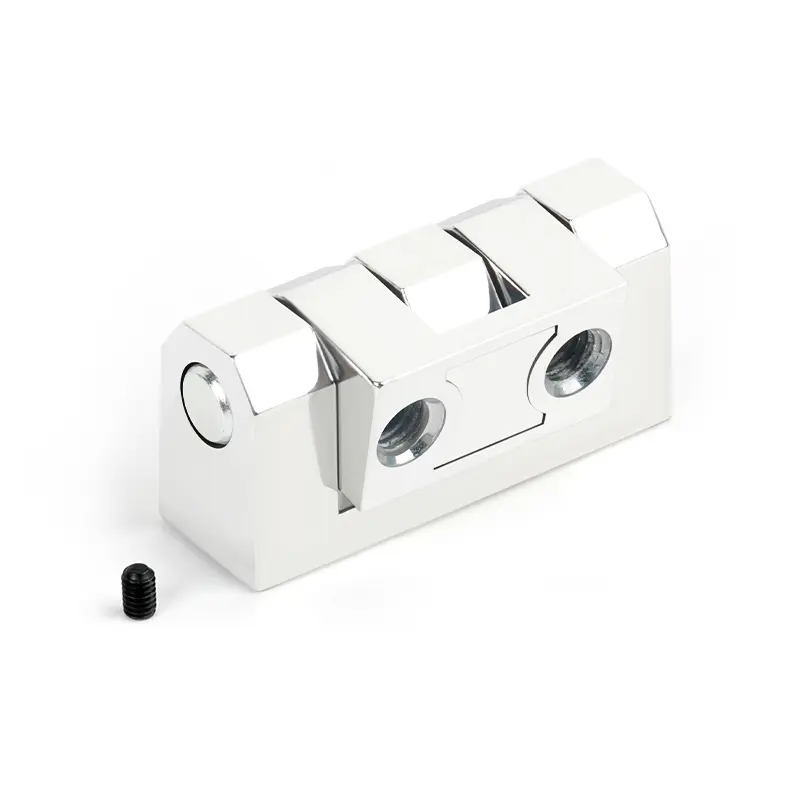
The Weld-On Parliament Pivot Hinge is offered in internal and external thread versions across both M6 and M8 sizes. The external thread type has a protruding threaded stud on the mounting end that threads directly into a tapped hole in the door panel or frame. The internal thread type has a threaded socket on the mounting end that accepts a bolt from the panel side. Both engage the mounting surface by threading and are then secured by welding for a permanent, stable installation.

Within the hinge range, the M6 external thread integrated type and M6 internal thread integrated type are the fixed-pin variants — the pin is part of the hinge body and cannot be removed. All other variants are detachable, with a side hole through the barrel that allows the pin to be slid out when the door needs to come off. The M8×16 external thread variant is the longest stud option in the range, suited to panels with greater mounting depth.

Structure and Dimensions

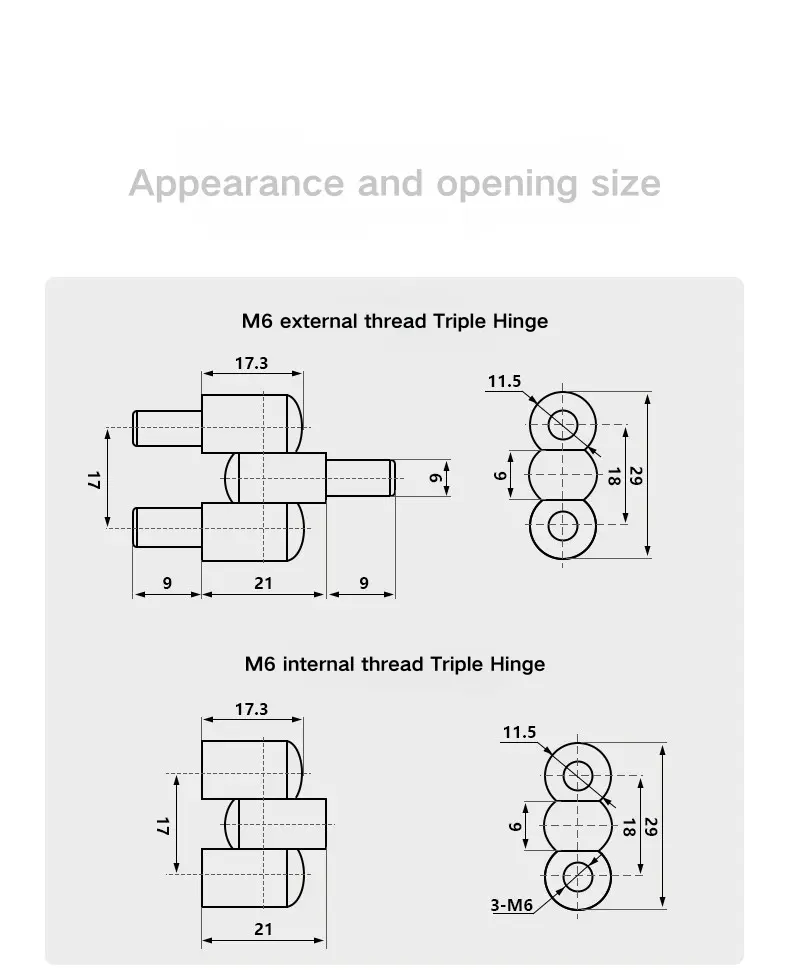
The M6 Weld-On Parliament Pivot Hinge has an overall length of 17.3 mm with a 21 mm centre barrel span. The external thread version adds 9 mm stud extensions on each end, giving a total spread of 39 mm. The triple barrel stack measures 29 mm in total height across three sections of 9 mm, 18 mm, and the top knuckle, with an 11.5 mm barrel width and a 6 mm pin diameter.

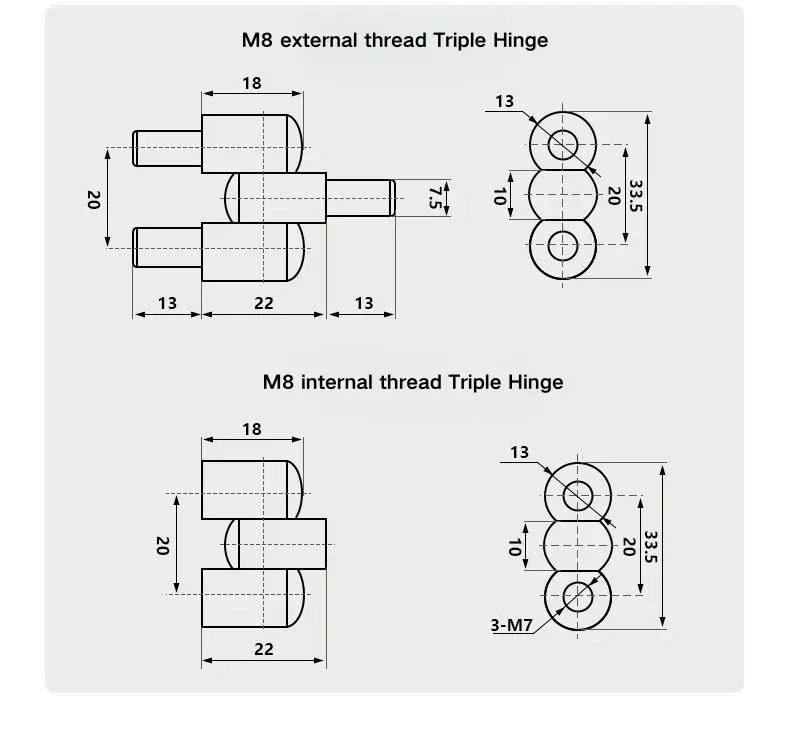
The M8 pivot hinge is proportionally larger, with an 18 mm body length and 22 mm centre span. The external thread version adds 13 mm stud extensions on each side for a total spread of 48 mm. The triple barrel stack runs 33.5 mm in total height across three sections — 10 mm, 20 mm, and the top knuckle — with a 13 mm barrel width and a 7.5 mm pin diameter. The internal thread M8 variant uses 3×M7 threaded sockets.

Installation and Pin Configuration

The Weld-On Parliament Pivot Hinge is installed by threading the stud or socket end into the door panel or frame mounting point, then welding to fix the position permanently. This combination of thread engagement and welding gives a secure mount that handles both the rotational load of door cycling and any lateral forces on the hinge during use.

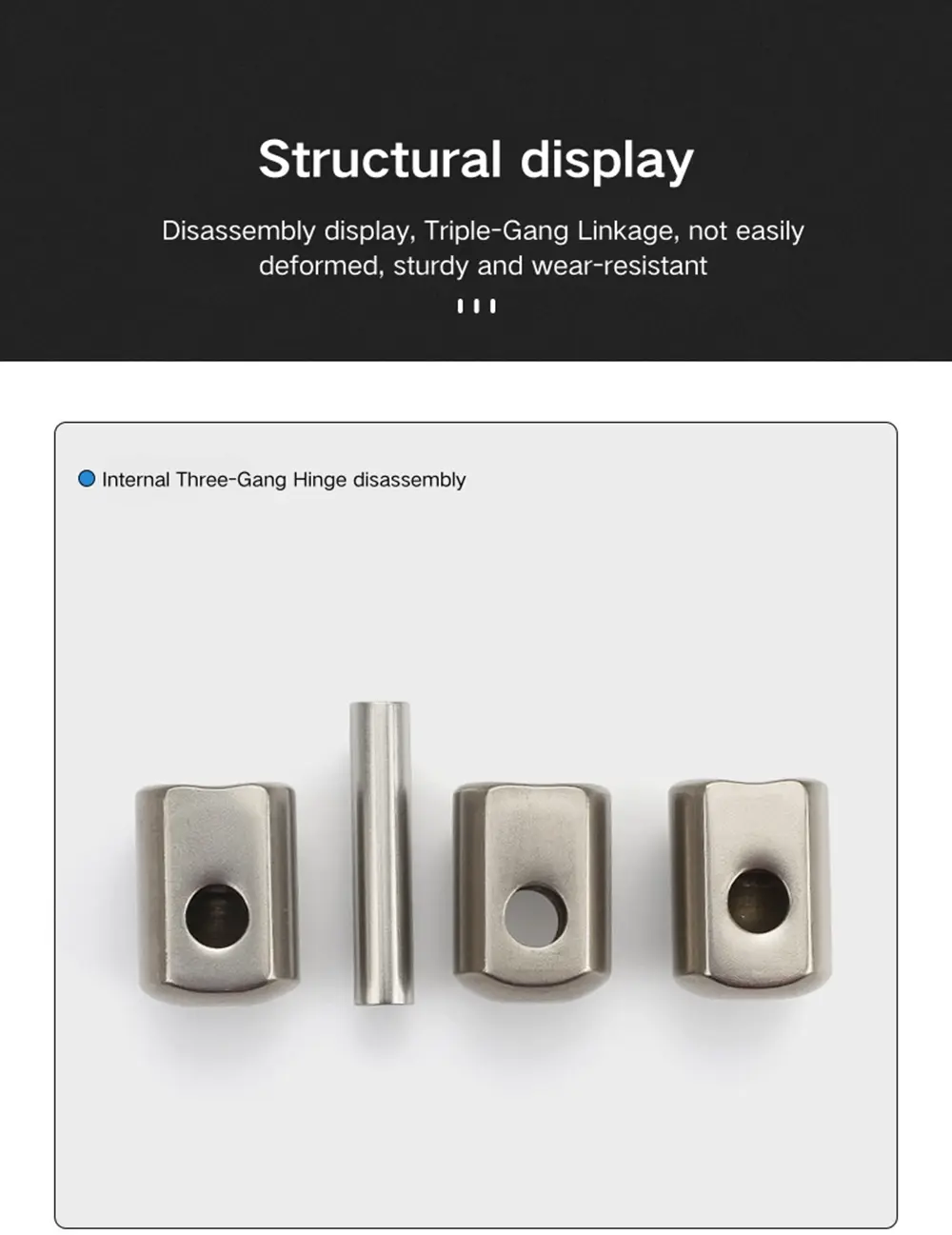
For the detachable versions of this unit, the pin exits through a side hole in the barrel body and can be pulled out to disengage the door from the frame without disturbing the welded mount. The integrated versions have no side hole; the pin is fixed inside the barrel and the hinge is not designed for door removal. Selecting between integrated and detachable comes down to whether door removal is a requirement during the service life of the enclosure.

Material and Surface Finish

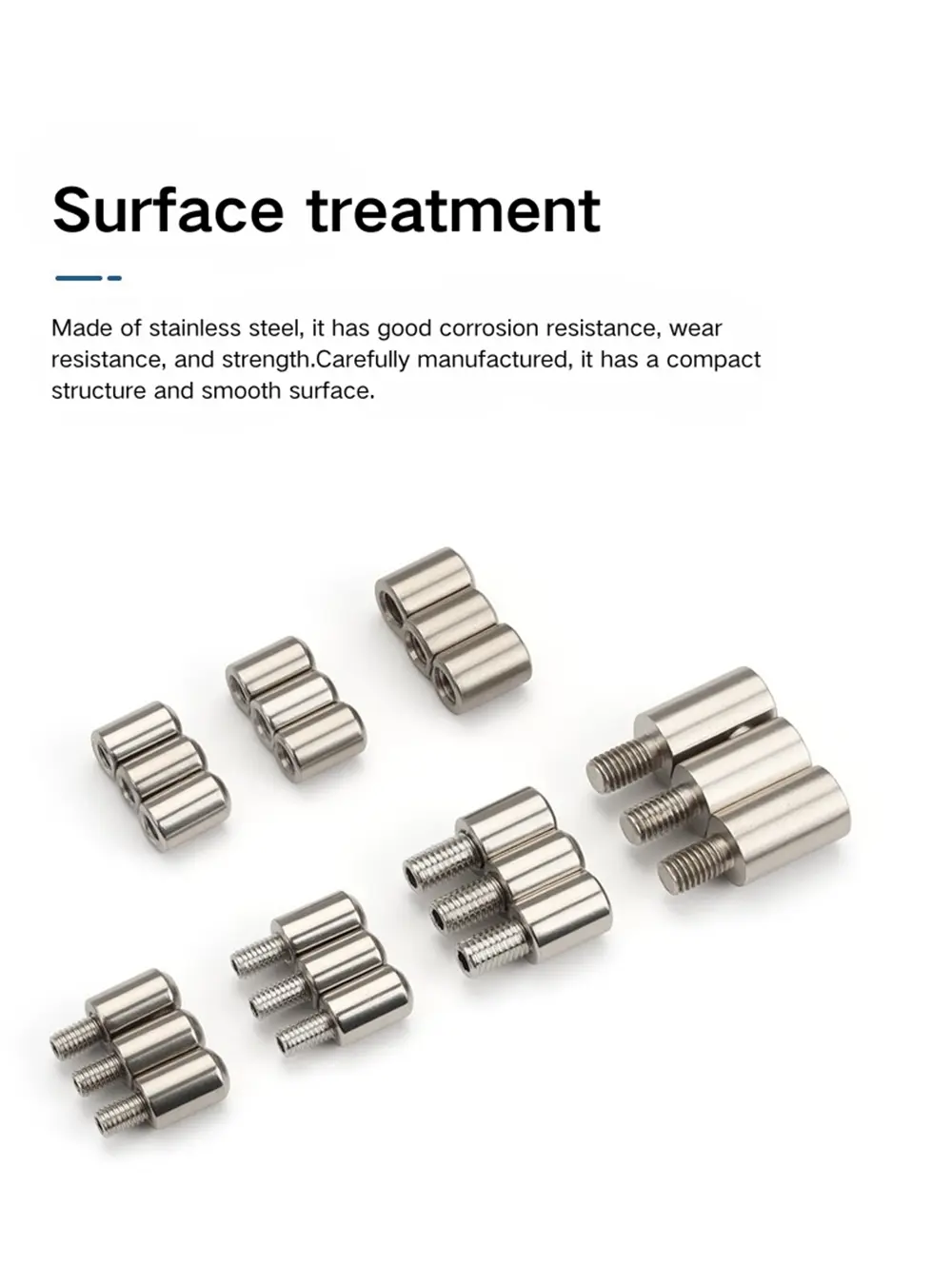
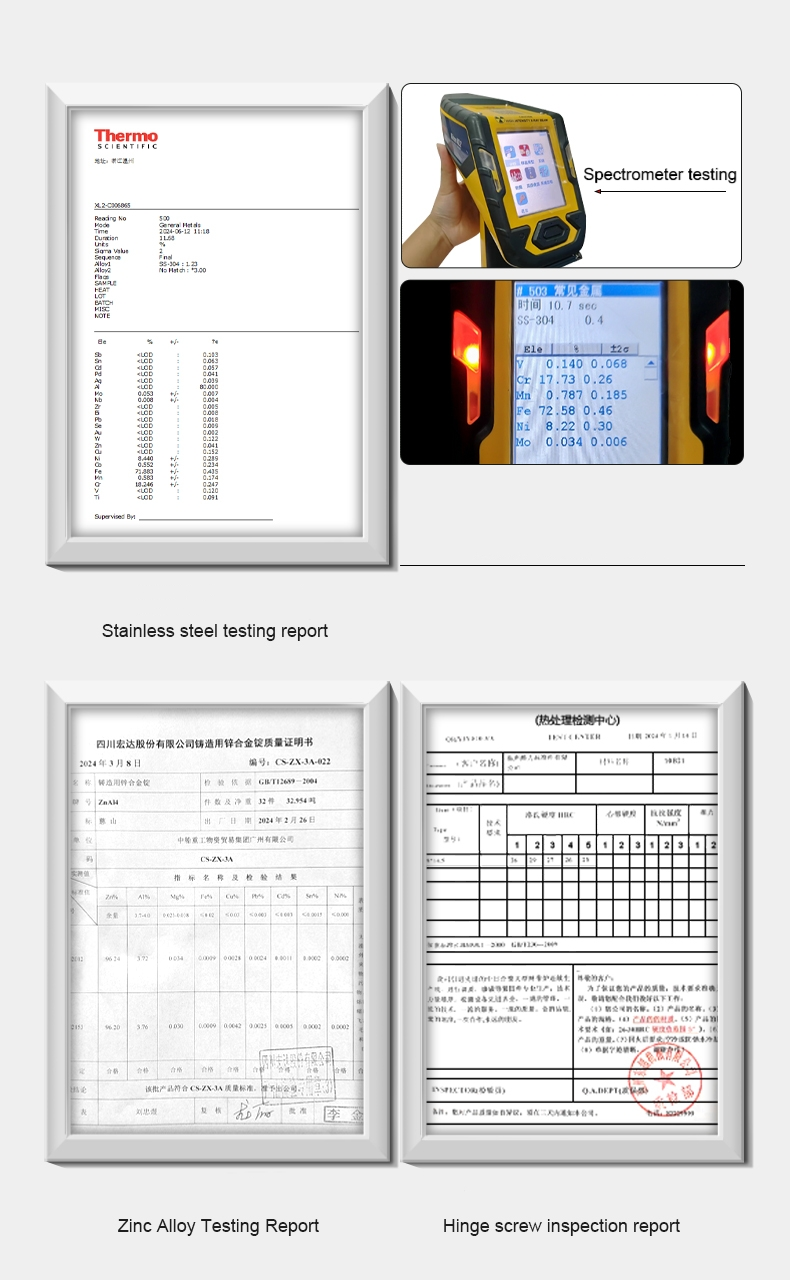
This modular is available in 201 and 304 stainless steel, both finished with vibratory polishing. The vibratory polish process removes burrs and sharp edges and gives a consistent low-sheen matte surface — it is not a brushed or mirror finish. Both grades look the same after polishing; the difference is in corrosion resistance.

201 stainless steel offers decent corrosion resistance for indoor power cabinet and distribution panel applications in moderate environments, and is the more cost-effective option across the range. The 304 stainless steel Weld-On Parliament Pivot Hinge is the better choice for outdoor enclosures, humid environments, or installations where long-term corrosion resistance is a firm requirement. Both are available across most thread size and pin configuration combinations in the range.

Weld-On Parliament Pivot HingeWeld-On Parliament Pivot HingeWeld-On Parliament Pivot HingeWeld-On Parliament Pivot HingeWeld-On Parliament Pivot HingeWeld-On Parliament Pivot HingeWeld-On Parliament Pivot HingeWeld-On Parliament Pivot HingeWeld-On Parliament Pivot HingeWeld-On Parliament Pivot HingeWeld-On Parliament Pivot HingeWeld-On Parliament Pivot HingeWeld-On Parliament Pivot Hinge

FAQ

Q1: What variants are available in this hinge range? 

The range covers eleven variants: internal and external thread in M6 and M8 sizes, across 201 and 304 stainless steel, in integrated and detachable pin configurations. The M8×16 external thread is also available as an extended stud option for deeper panel mounting.

Q2: What is the difference between the integrated and detachable types? 

The integrated type has a fixed pin — it cannot be removed and the hinge is not designed for door disassembly. The detachable type has a side-exit hole through the barrel; the pin slides out to allow the door to be lifted off the frame without tools or disturbing the welded mount.

Q3: What is the difference between internal and external thread? 

The external thread version has a protruding stud that threads into a tapped hole in the panel or frame. The internal thread version has a threaded socket that accepts a bolt from the panel side. Both are then welded in place after threading for a permanent installation.

Q4: How is this hinge installed? 

Installation involves threading the stud or socket end into the door panel or frame mounting point, then welding to fix the hinge permanently. The combination of thread engagement and welding keeps the hinge stable under both rotational door load and lateral forces.

Q5: What are the key dimensions for the M6 and M8 versions? 

The M6 Weld-On Parliament Pivot Hinge body is 17.3 mm long with a 21 mm centre span and 6 mm pin diameter. The triple barrel stack is 29 mm tall and 11.5 mm wide. The M8 version has an 18 mm body, 22 mm centre span, 7.5 mm pin diameter, and a 33.5 mm barrel stack height at 13 mm wide.

Q6: What is vibratory polishing? 

Vibratory polishing is a tumbling process that removes burrs and sharp edges from the part surface, producing a consistent low-sheen matte finish. It is not a brushed or mirror finish. Both 201 and 304 stainless versions of this hinge go through the same vibratory polish process.

Q7: Which stainless steel grade should I choose? 

201 stainless steel suits standard indoor power cabinet and distribution panel applications where corrosion exposure is moderate. 304 stainless steel is the better pick for outdoor enclosures, high-humidity environments, or installations where long-term corrosion resistance is a hard requirement.

Hot Tags: Weld-On Parliament Pivot Hinge
Send Inquiry
Contact Info
For inquiries about Hardware Lock, Hardware Hinge, Hardware Handle or price list, please leave your email to us and we will be in touch within 24 hours.
X
We use cookies to offer you a better browsing experience, analyze site traffic and personalize content. By using this site, you agree to our use of cookies.Privacy Policy
RejectAccept