Products
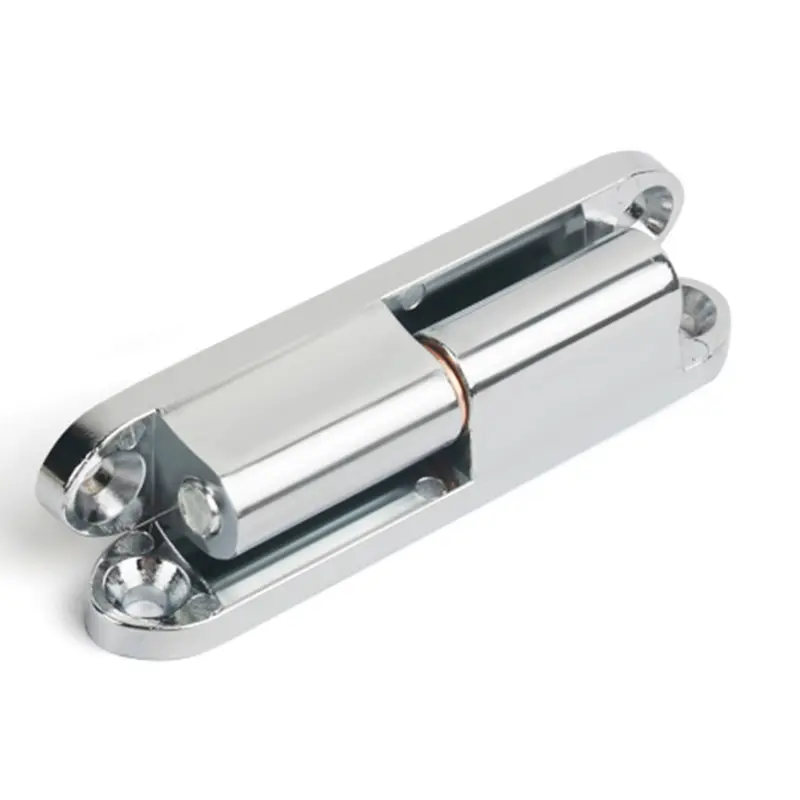
Junction Box (KY Type) Door Hinge
  • Junction Box (KY Type) Door HingeJunction Box (KY Type) Door Hinge
  • Junction Box (KY Type) Door HingeJunction Box (KY Type) Door Hinge
  • Junction Box (KY Type) Door HingeJunction Box (KY Type) Door Hinge
  • Junction Box (KY Type) Door HingeJunction Box (KY Type) Door Hinge
  • Junction Box (KY Type) Door HingeJunction Box (KY Type) Door Hinge
  • Junction Box (KY Type) Door HingeJunction Box (KY Type) Door Hinge
  • Junction Box (KY Type) Door HingeJunction Box (KY Type) Door Hinge

Junction Box (KY Type) Door Hinge

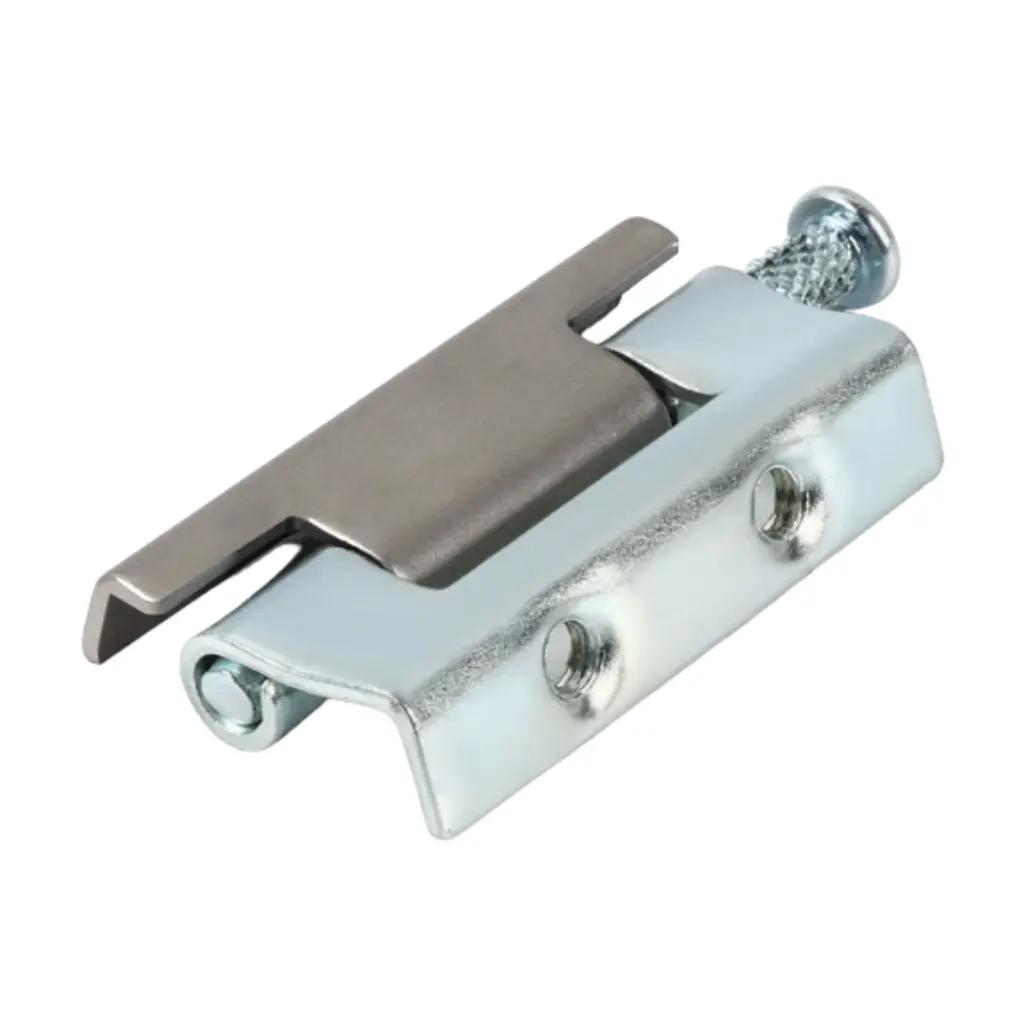
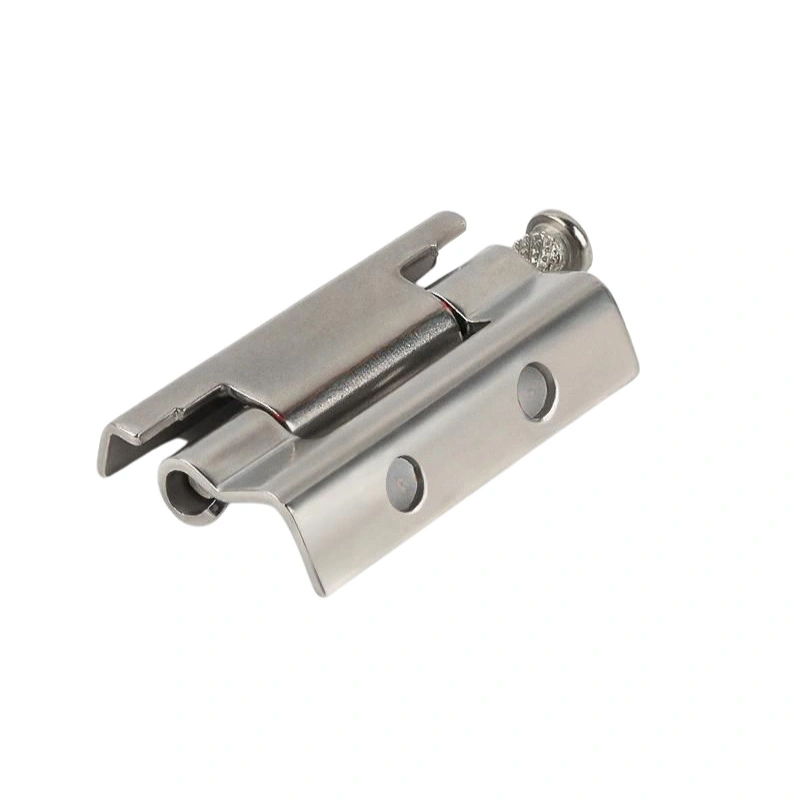
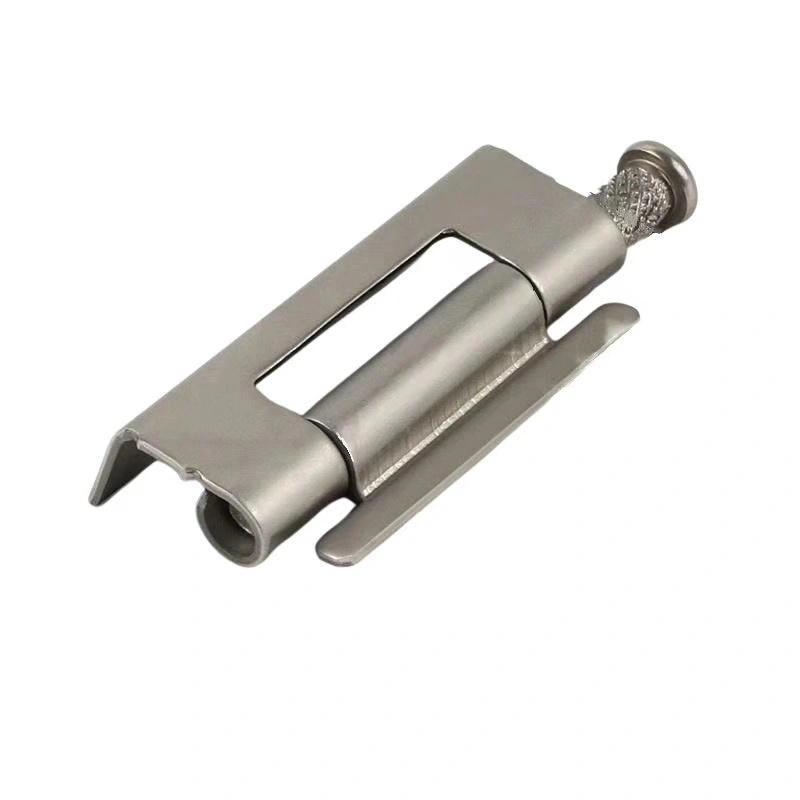
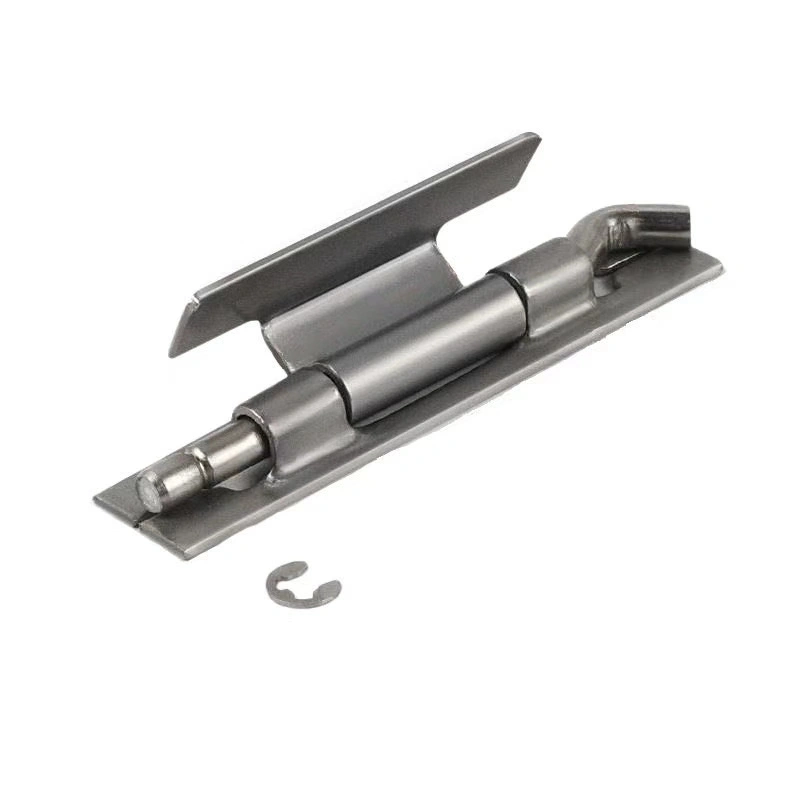
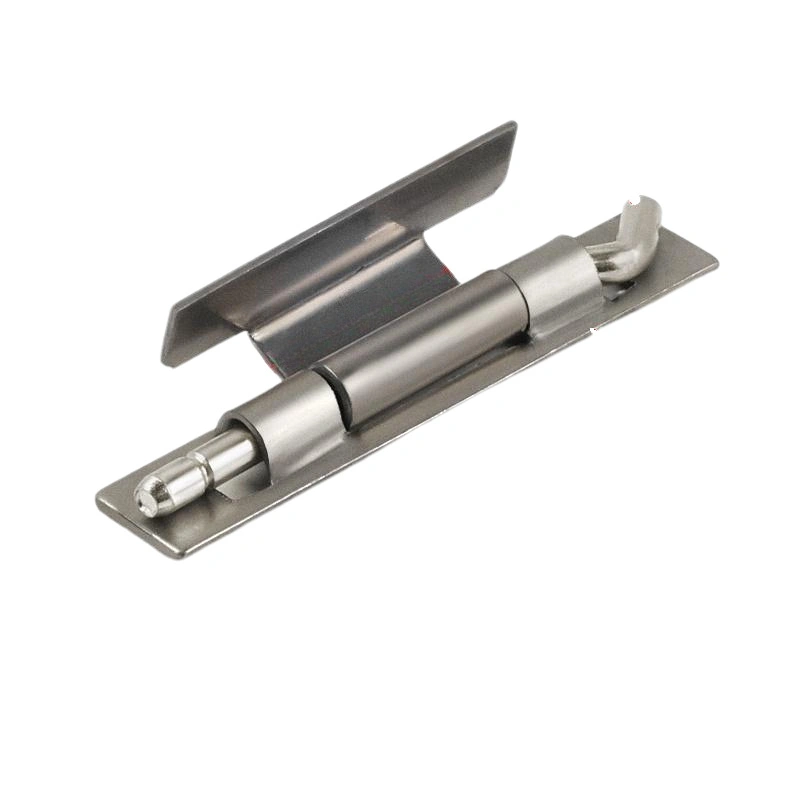
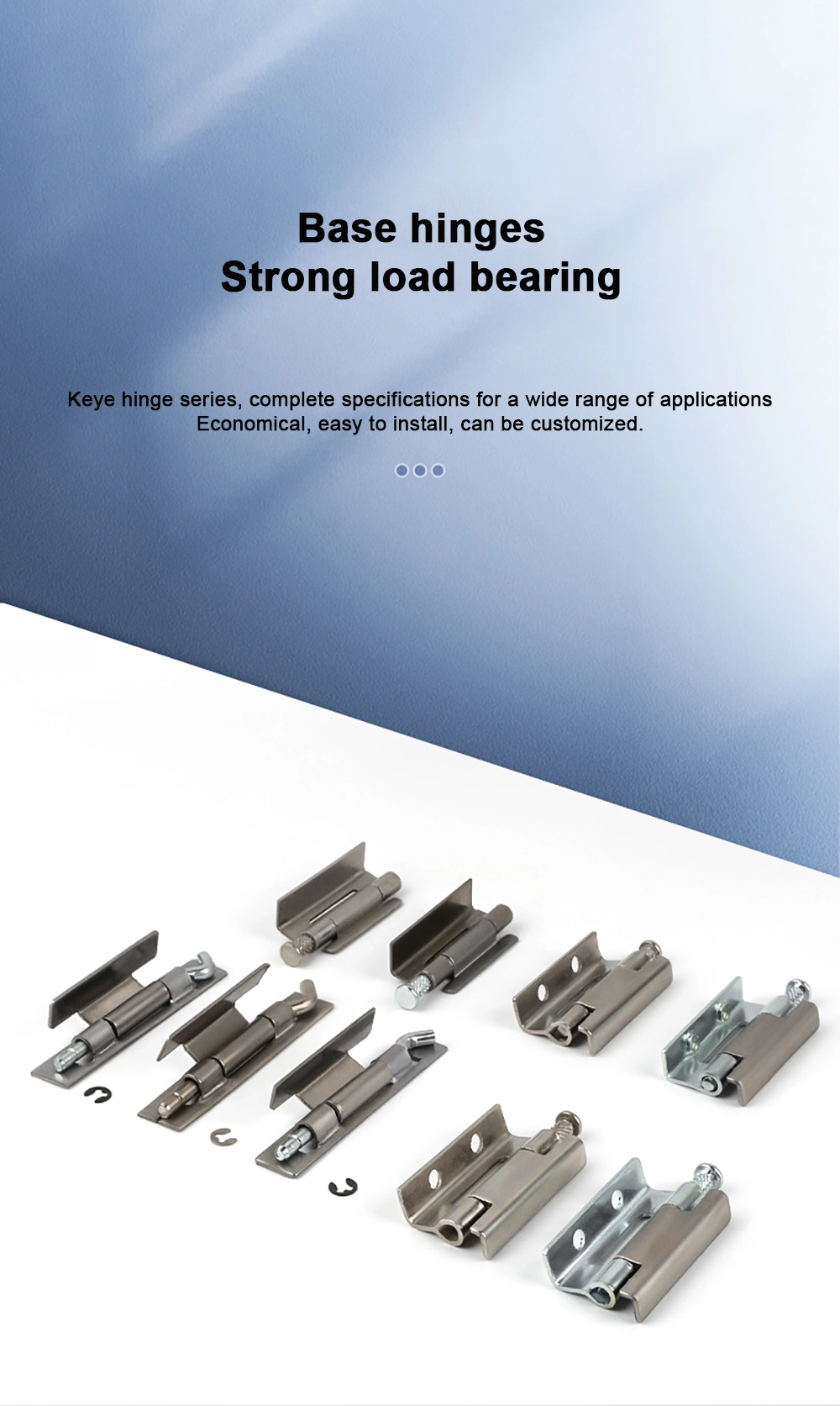
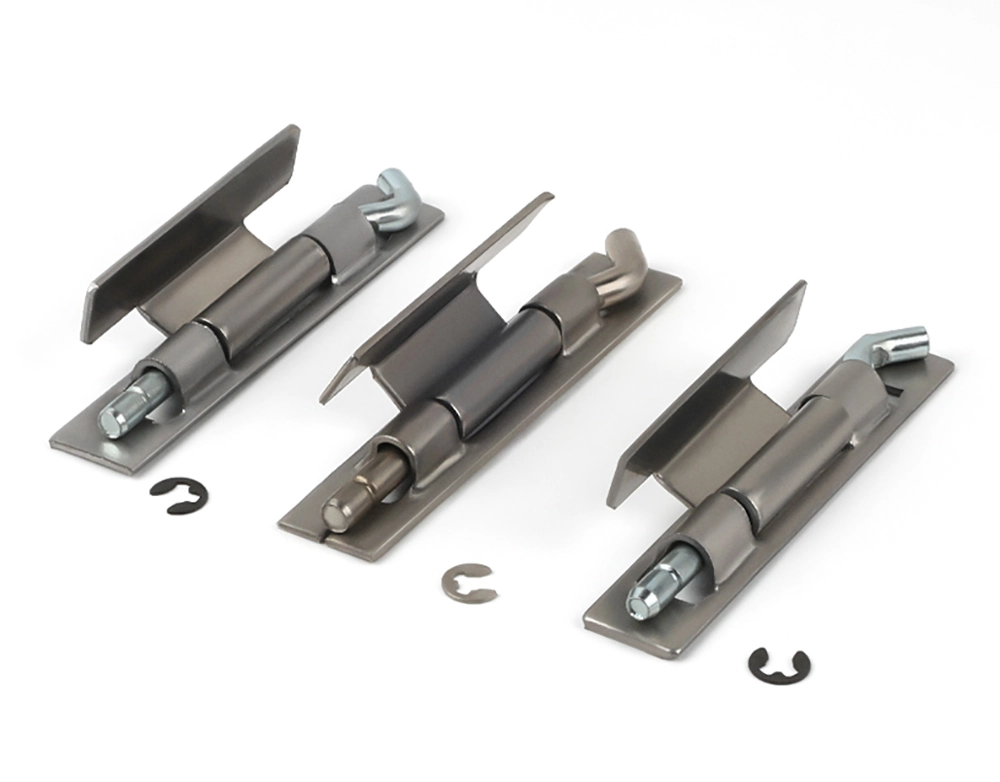
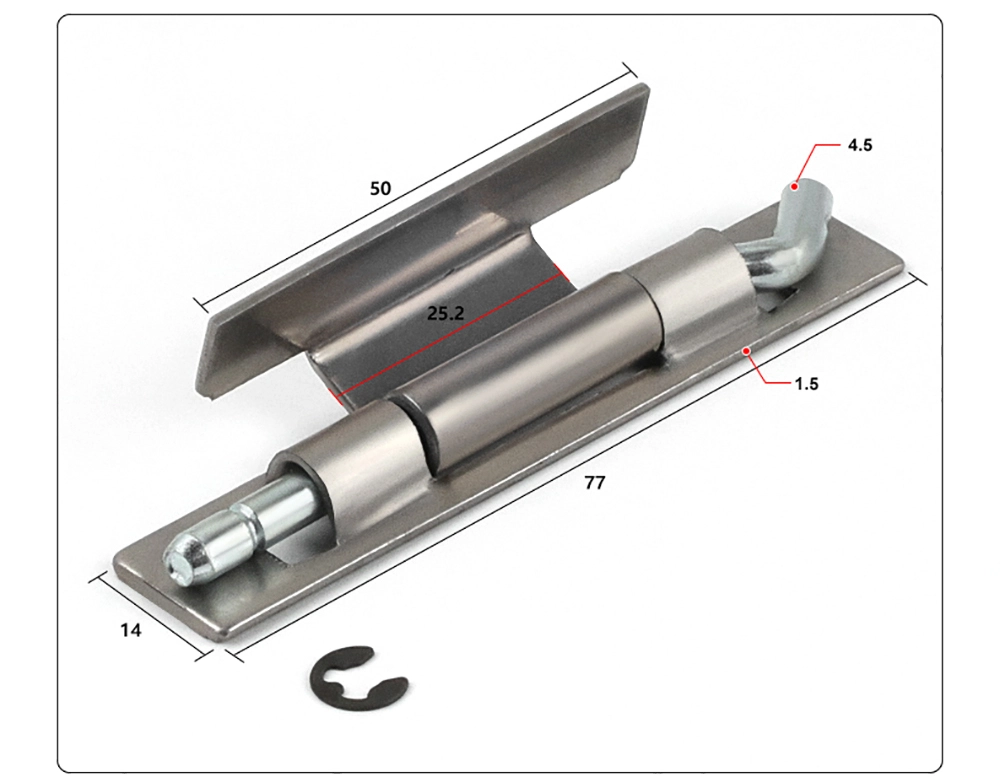
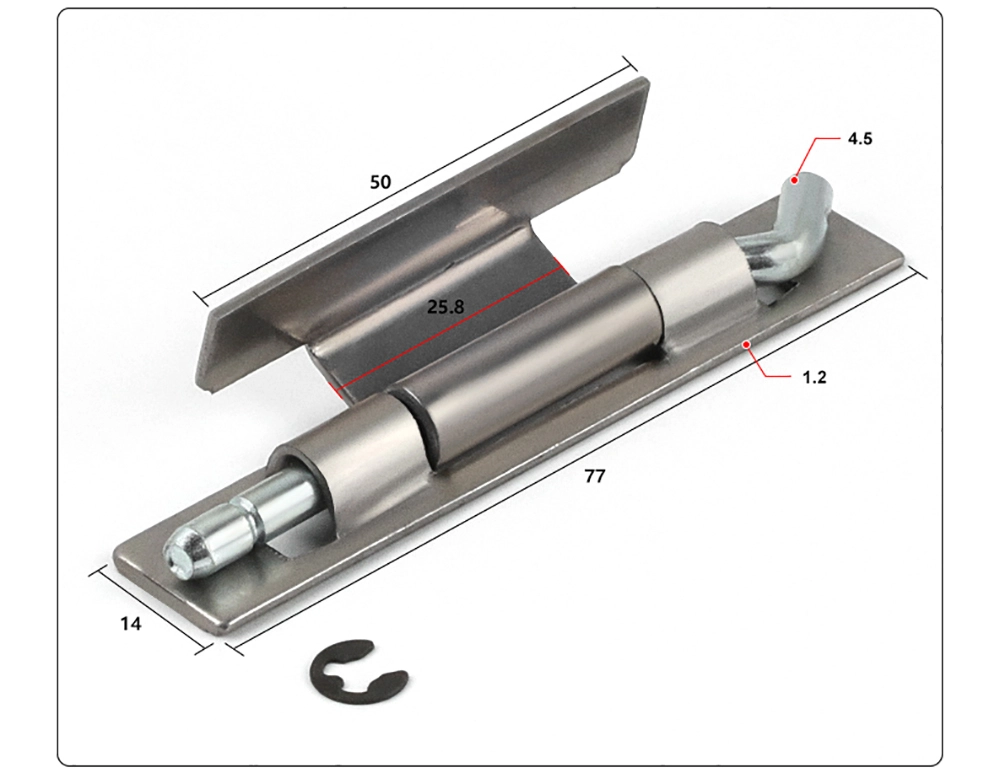
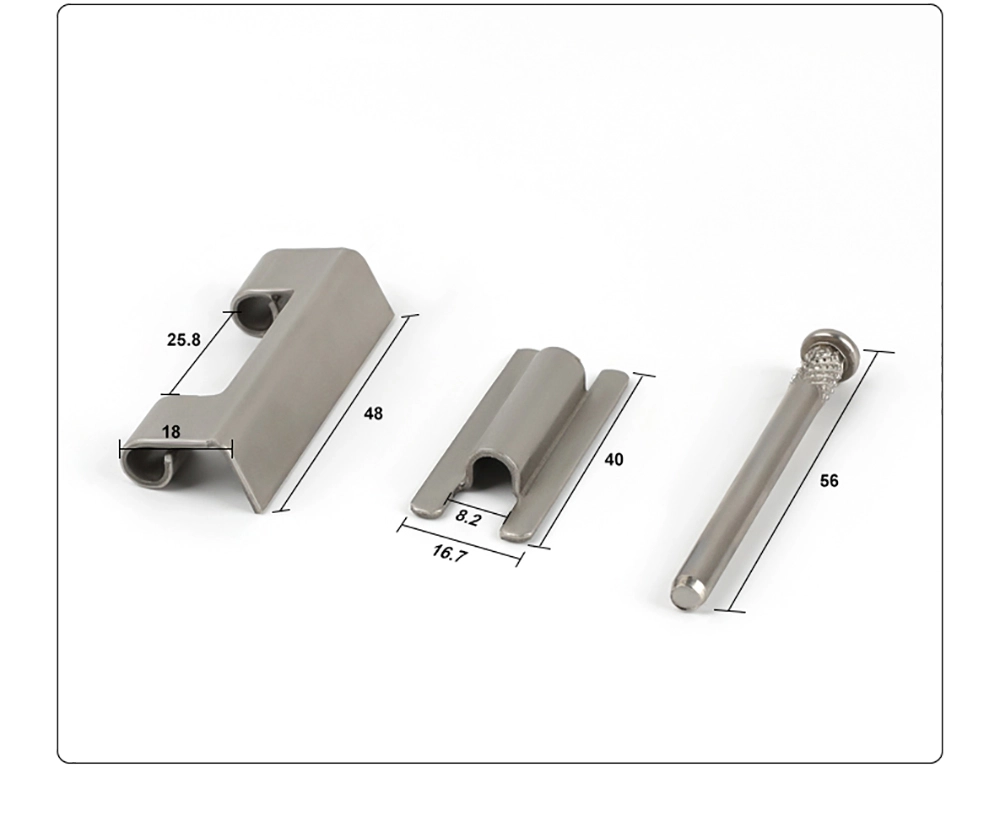
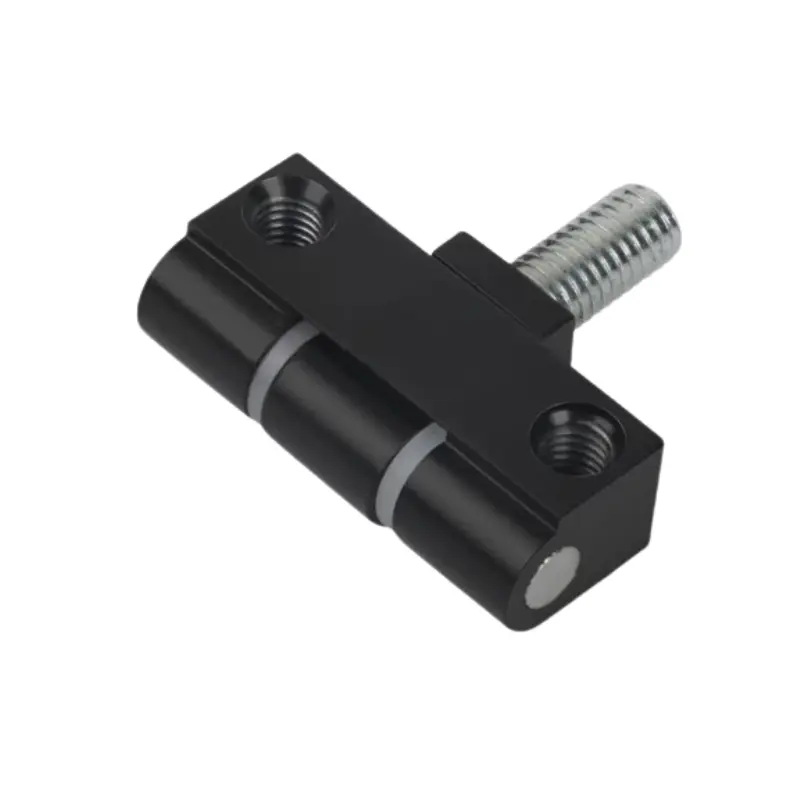
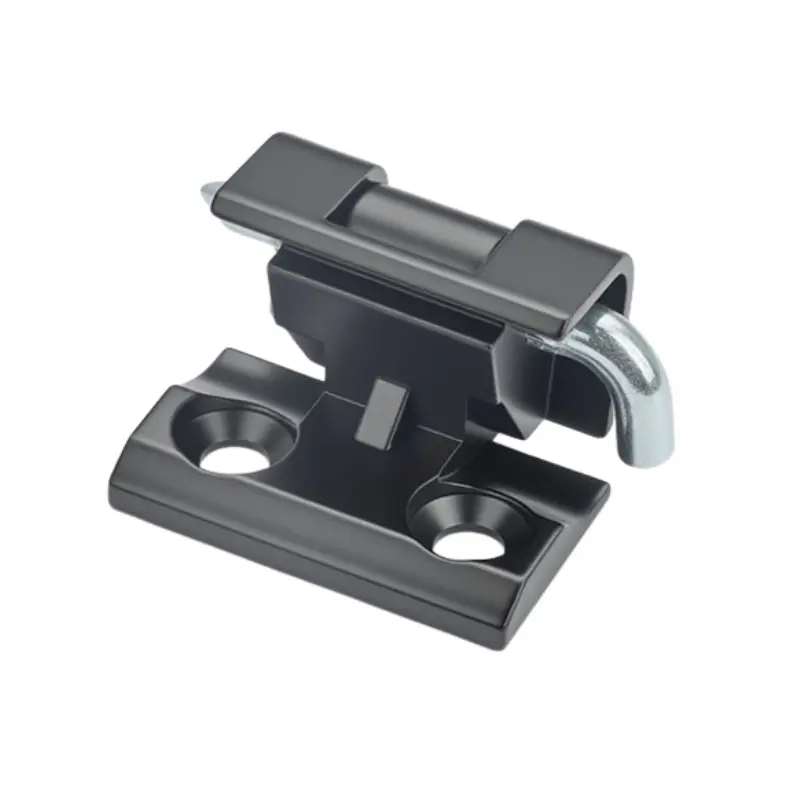
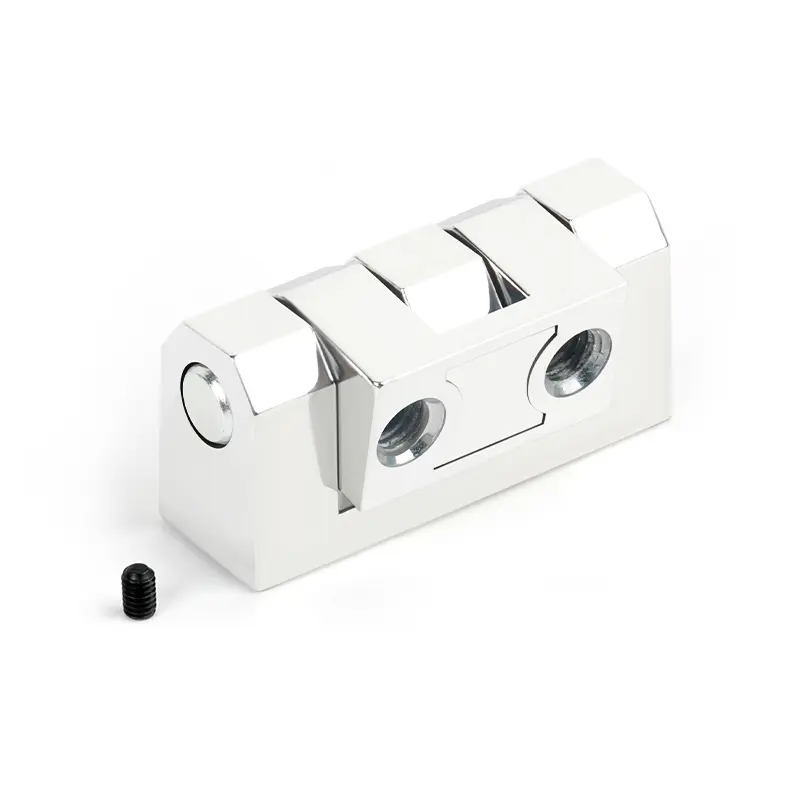
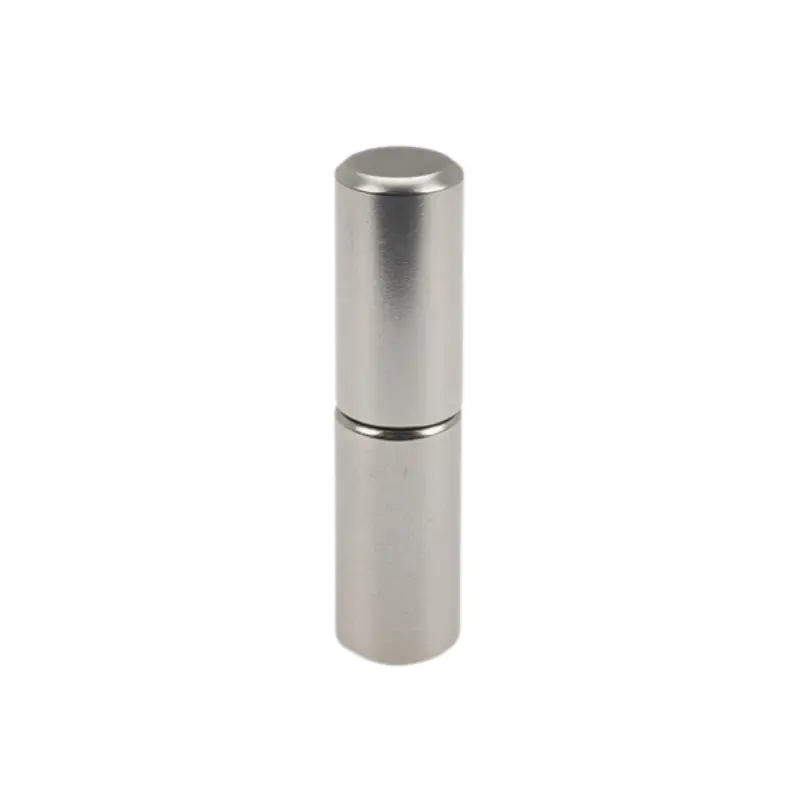
Buyers sourcing a junction box (KY Type) door hinge for electrical enclosures or distribution panels will find the KY Type available from Yitai Lock in carbon steel and stainless steel, covering a range of thickness and rod configurations to suit different cabinet builds. The hinge is designed for welded installation and used widely in switchgear boxes, junction boxes, and industrial enclosure doors where a removable, export-ready hinge is required.
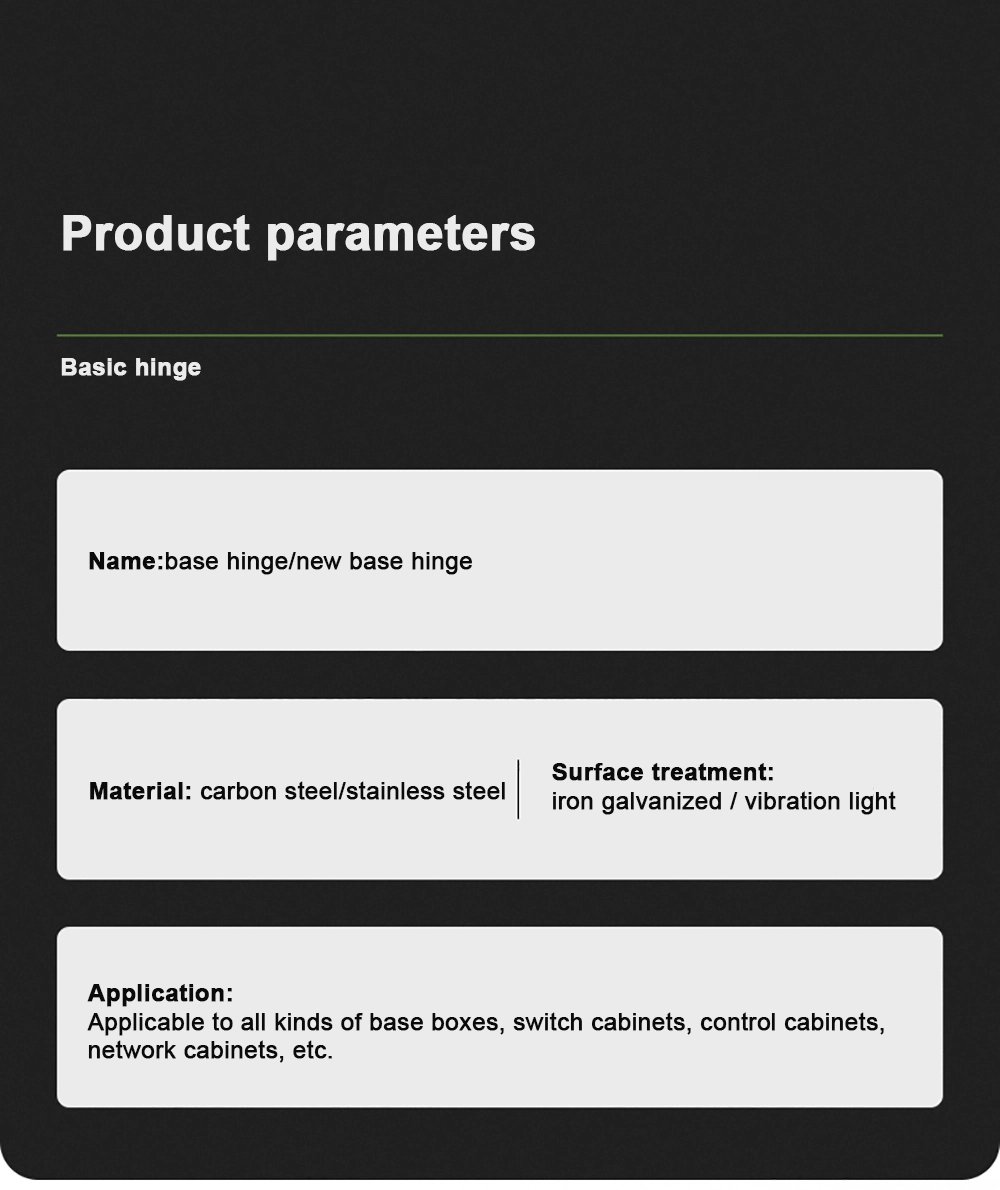
Product model Jiye Hinge series
Surface Treatment Galvanized/Stainless Steel Vibration
Selective Color Galvanized iron/Stainless Steel
Optional materials Iron/stainless steel
Usage Suitable for various types of switch cabinets, control boxes, etc

Those looking to buy junction box (KY Type) door hinges in bulk will find that Yitai Lock offers this KY Type in multiple material and thickness options, from 1.2 mm standard carbon steel to 304 stainless steel with knurled rods, making it practical to source a single hinge series across different enclosure specifications. The new double-hole models feature a 20 mm center-to-center hole spacing for easier positioning during assembly, and all stainless steel versions go through vibratory polishing for a consistent tumbled surface finish.


Model Options and Material

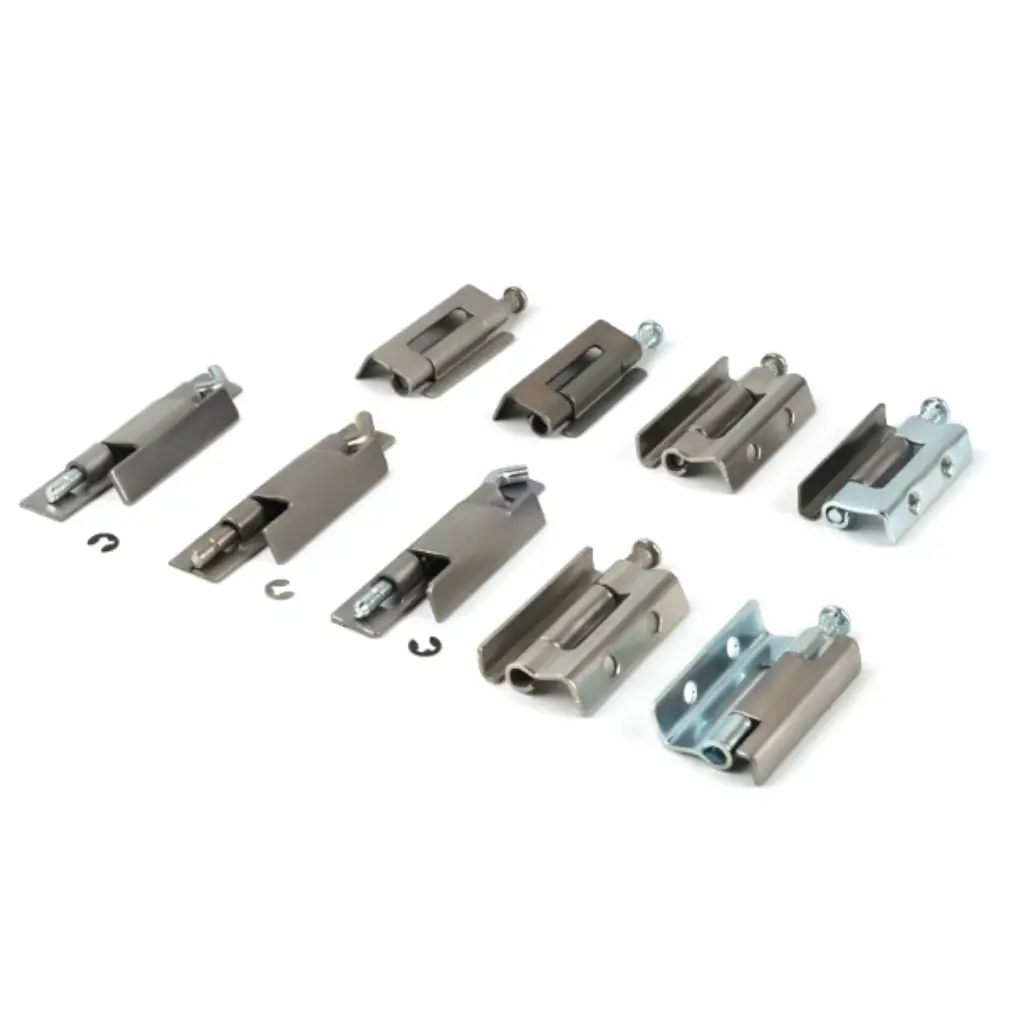
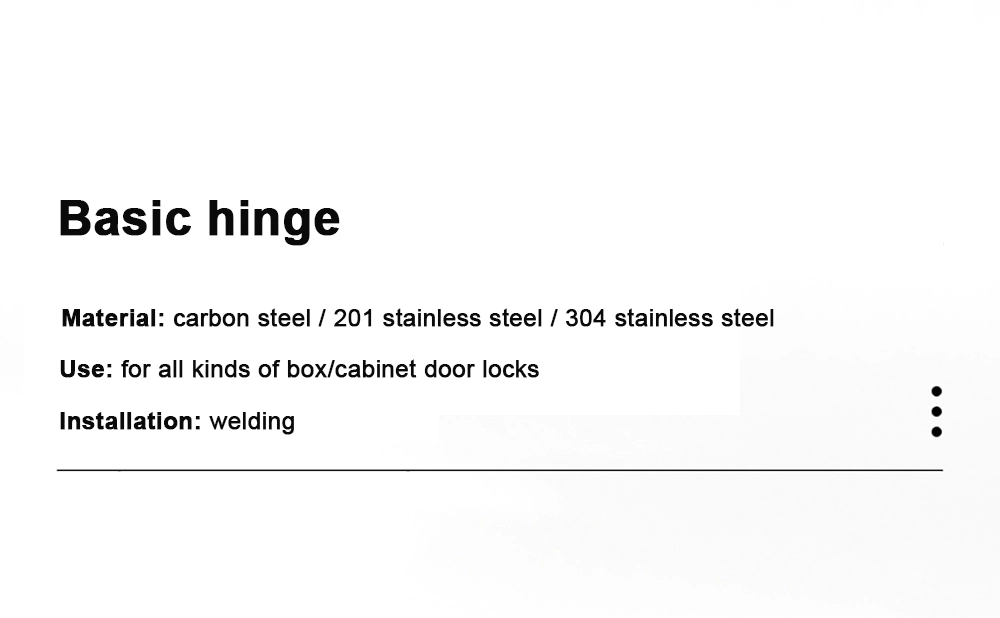
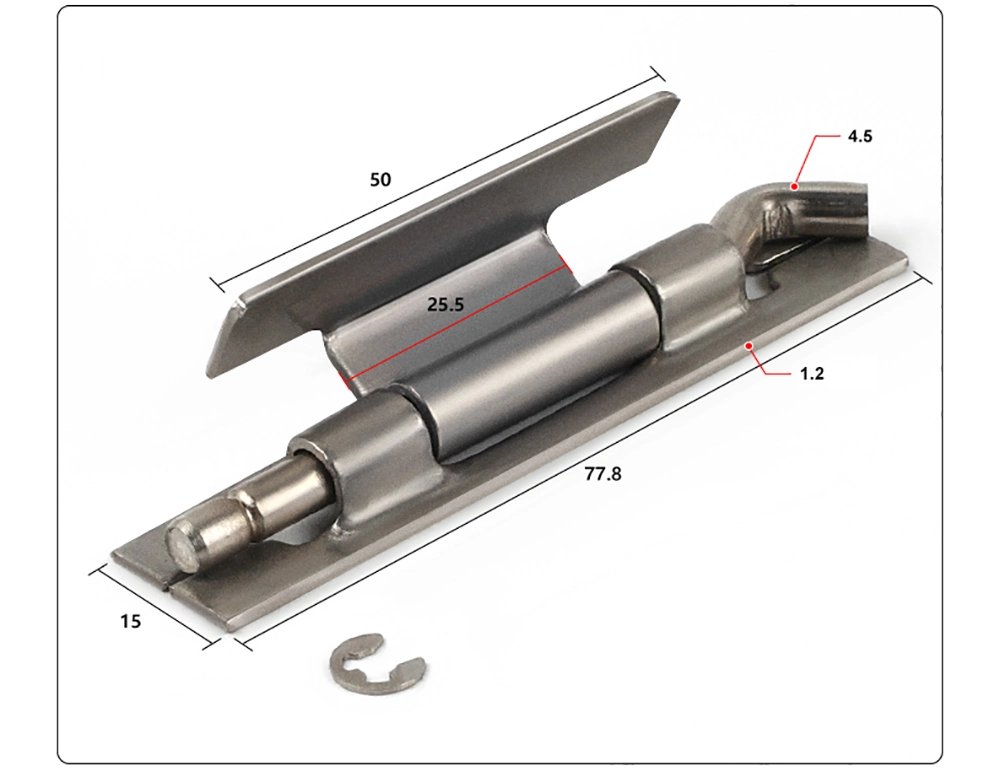
The junction box (KY Type) door hinge comes in a structured range of material and thickness combinations. Carbon steel versions are available in 1.2 mm and 1.5 mm thickness, both with a natural finish. Stainless steel options include 201 and 304 grades. Both of these are 1.2 mm thick.For applications requiring additional mounting strength, new-type models in iron, 201, and 304 stainless steel are offered at 1.2 mm thickness with a knurled rod.

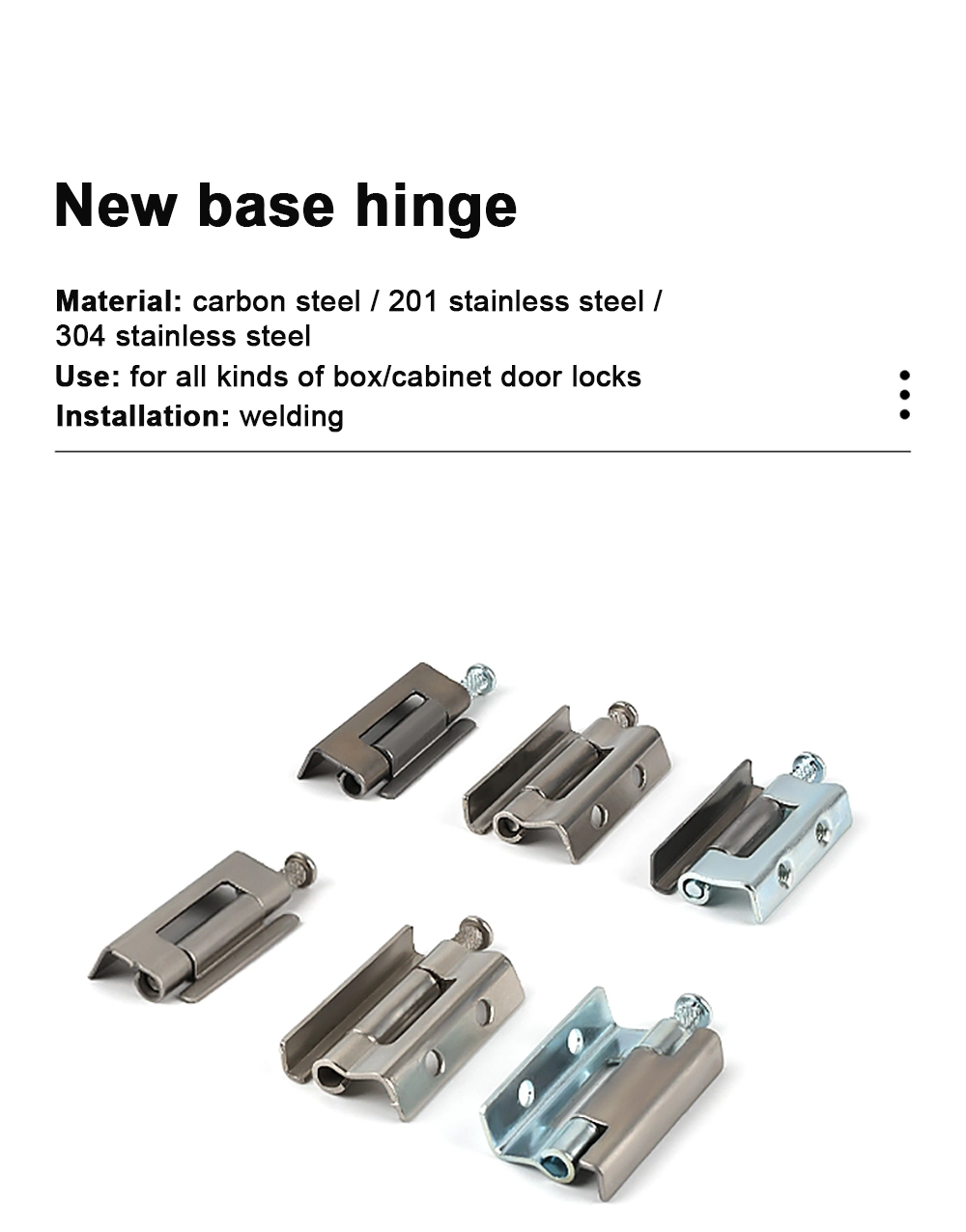
The double-hole series expands on this further, with iron at 1.5 mm and stainless steel in 201 and 304 grades at 1.5 mm, all incorporating a knurled rod and dual mounting holes. This gives enclosure manufacturers a clear selection path based on load requirements, corrosion environment, and installation preference.


Structure and Mounting

All models of this junction box (KY Type) door hinge use welded installation — there are no bolt-through or clip-on variants in this series. The welded method provides a fixed, flush mount that suits the fabrication workflow of most sheet metal enclosure manufacturers.

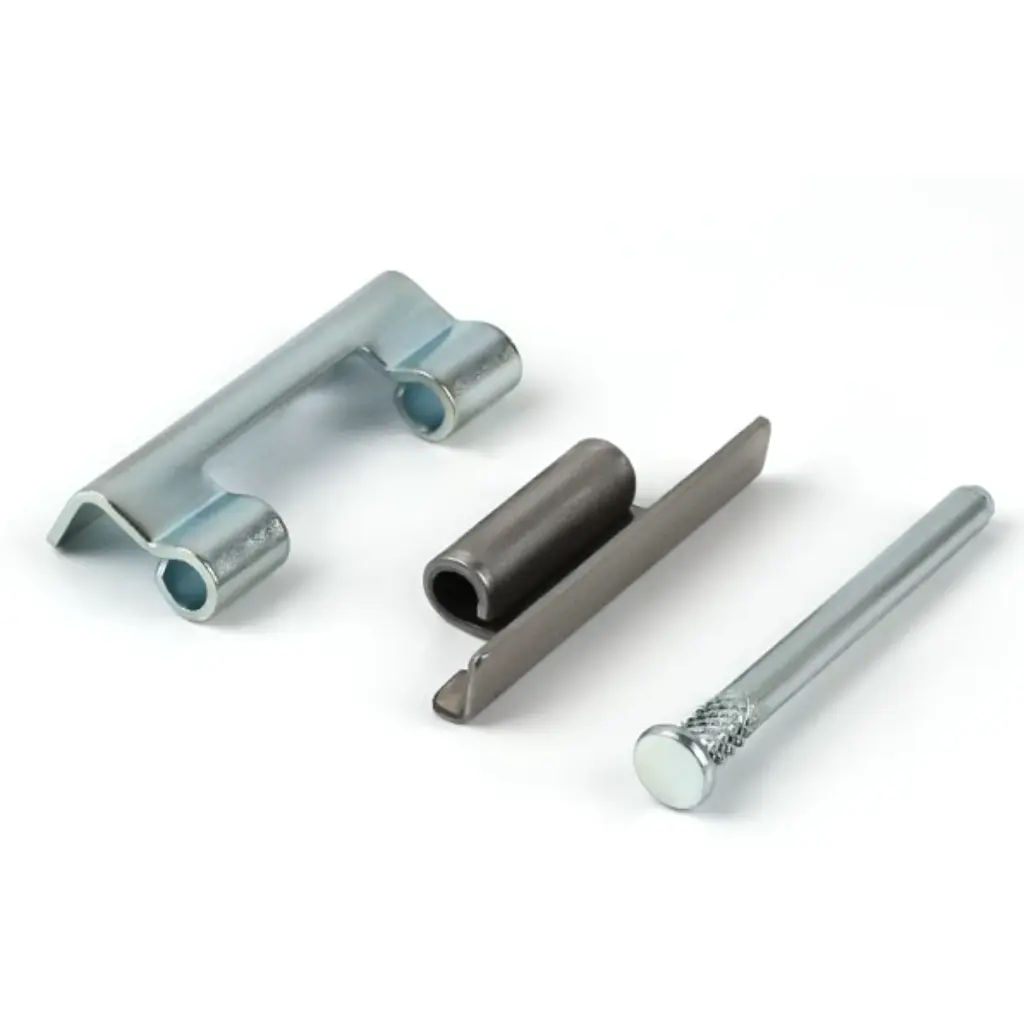
The knurled rod used in the new-type models improves grip between the pin and hinge barrel, reducing the chance of the pin working loose during repeated door opening and closing. The double-hole models include two mounting holes with a center-to-center distance of 20 mm, which makes alignment during welding more straightforward and distributes the load across a wider area of the panel.


Surface Treatment

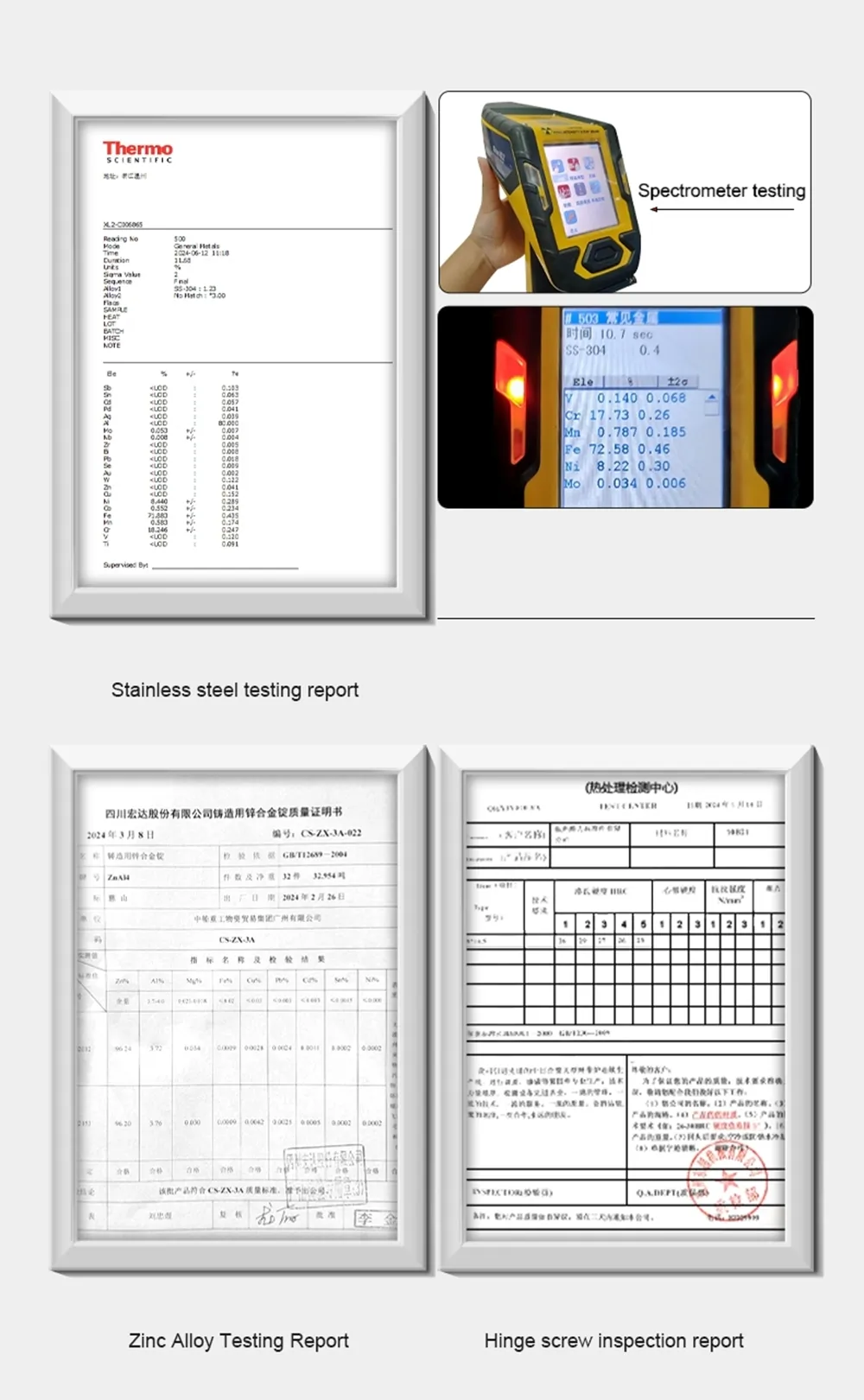
Surface finish varies by material on the junction box (KY Type) door hinge. Carbon steel models carry a natural finish without additional coating. Stainless steel versions — whether 201 or 304 grade — are processed through vibratory polishing, which produces a tumbled matte surface. This is not a brushed or mirror-polished finish; the tumbled treatment removes burrs and sharp edges while giving the surface a uniform, low-sheen appearance suited to industrial enclosures.

Buyers specifying stainless steel for outdoor or high-humidity environments should confirm that the vibratory polished finish meets their surface requirements, as it differs from decorative finishes used in architectural or consumer applications.


Application Scenarios

The junction box (KY Type) door hinge is used primarily in electrical enclosures, distribution boxes, switchgear panels, and control cabinets. The removable design makes it practical for enclosures that require door removal during installation or field maintenance without disturbing the cabinet frame.

Carbon steel models are suited to indoor enclosures where the environment is dry and controlled. Stainless steel variants — particularly 304 grade — are the better choice for outdoor enclosures, wet utility rooms, or any installation where corrosion resistance is a priority. The range of thickness options (1.2 mm and 1.5 mm) allows matching the hinge to the door panel weight and cycle frequency of the application.

Junction Box Ky Type Door HingeJunction Box Ky Type Door HingeJunction Box Ky Type Door HingeJunction Box Ky Type Door HingeJunction Box Ky Type Door HingeJunction Box Ky Type Door HingeJunction Box Ky Type Door HingeJunction Box Ky Type Door HingeJunction Box Ky Type Door HingeJunction Box Ky Type Door HingeJunction Box Ky Type Door HingeJunction Box Ky Type Door HingeJunction Box Ky Type Door HingeJunction Box Ky Type Door HingeJunction Box Ky Type Door Hinge


FAQ

Q1: What is the KY Type junction box door hinge used for?

The junction box door hinge KY Type is designed for use on electrical enclosures, distribution panels, switchgear cabinets, and control boxes. It provides a removable door connection that allows the door to be lifted off the frame when needed for installation or service access.


Q2: What materials are available for this junction box door hinge?

The junction box door hinge is available in carbon steel (natural finish) and stainless steel in 201 and 304 grades. Carbon steel comes in 1.2 mm and 1.5 mm thickness. Stainless steel options are available at 1.2 mm for standard models and 1.5 mm for the double-hole series.


Q3: How is the junction box door hinge installed?

All models of this junction box door hinge are installed by welding. The welded method is standard for sheet metal enclosure fabrication and provides a stable, permanent hinge seat.


Q4: What is the surface finish on the stainless steel versions?

Stainless steel models of the junction box door hinge are finished with vibratory polishing, also called a tumbled finish. This is not a brushed or mirror finish. The process smooths burrs and edges and produces a consistent matte appearance across all stainless parts.


Q5: Is 304 stainless steel recommended for outdoor enclosures?

For outdoor or corrosion-prone environments, the 304 stainless steel junction box door hinge is the appropriate choice over carbon steel or 201 stainless. 304 grade offers better resistance to moisture and mild chemical exposure, which is important for utility boxes, outdoor distribution panels, and coastal or industrial installations.


Hot Tags: Junction Box (KY Type) Door Hinge
Send Inquiry
Contact Info
For inquiries about Hardware Lock, Hardware Hinge, Hardware Handle or price list, please leave your email to us and we will be in touch within 24 hours.
X
We use cookies to offer you a better browsing experience, analyze site traffic and personalize content. By using this site, you agree to our use of cookies. Privacy Policy
Reject Accept